


General Contractor: Repair or Replace? How Winchester Homeowners Decide
Most repair-or-replace calls come down to three things: the age of the item, whether the failure is isolated or a symptom, and the math on paper. If repair costs more than half of replacement, replace. If one failure keeps coming back in a different spot, you’re looking at a system problem, not a one-off. That’s the whole decision tree. The rest of this page shows you how to run it yourself, because a contractor who always says “replace” is upselling you and one who always says “repair” is kicking the problem down the road. If you’d rather have someone walk the property with you, call (888) 343-7097.
What’s the 50% rule, and how do you actually apply it?
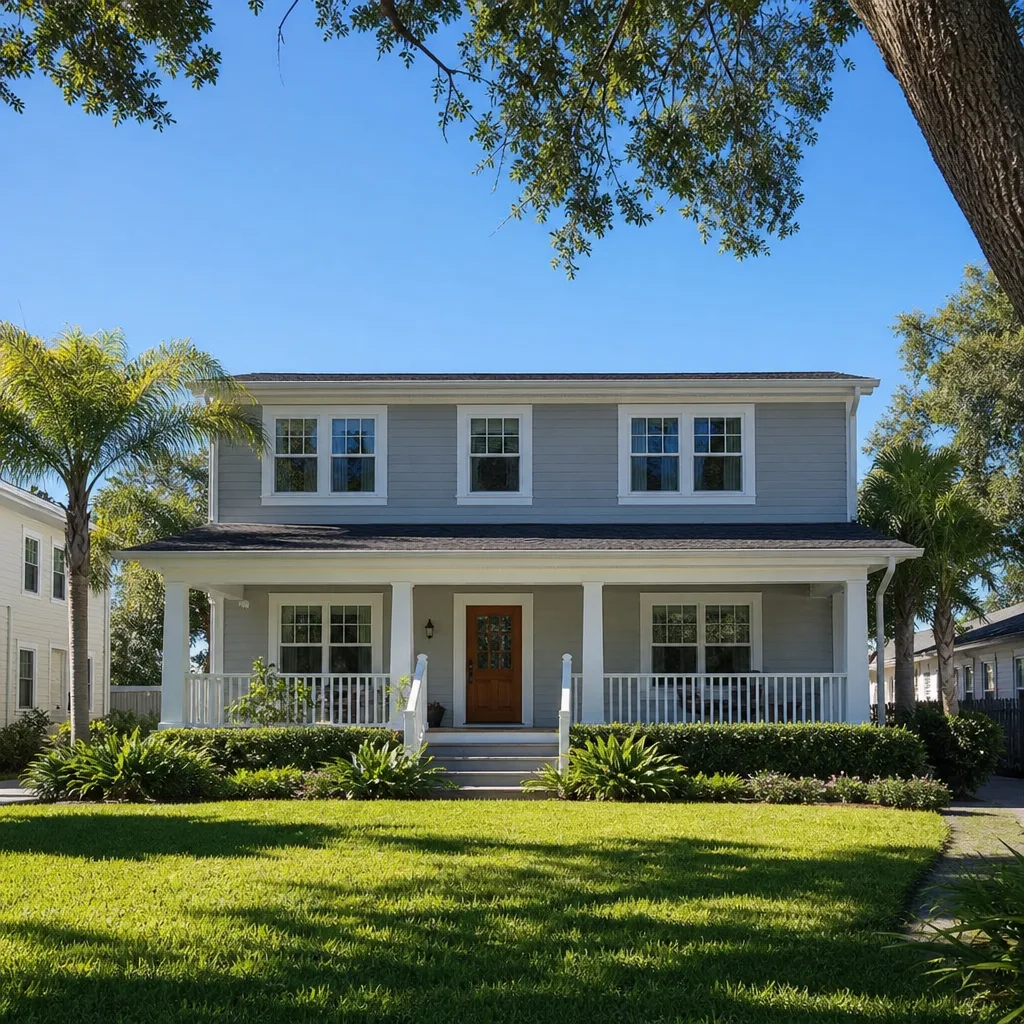
The 50% rule says: when the repair bill passes half the cost of a full replacement, replacement wins. What most homeowners never see is the arithmetic behind that verdict. Before you decide anything, ask for both numbers in writing on the same page. Repair estimate on the left, replacement estimate on the right. If the two numbers aren’t in front of you at the same time, you’re guessing.
Here’s how the math plays out for three common Winchester jobs:
| Item | Typical repair | Typical replace | The 50% line |
|---|---|---|---|
| Water heater (10+ yrs old) | $350 – $900 | $1,600 – $3,200 installed | Repair passes $1,600, replace |
| Bathroom subfloor (soft spot) | $1,200 – $2,800 | $6,000 – $14,000 for a full bath rebuild | Repair passes $5,000, walk through replacement |
| Kitchen cabinet boxes | $800 – $2,200 reface/repair | $9,000 – $28,000 for full cabinet replacement with KraftMaid or Wellborn | Usually repair, unless the boxes are failing |
Those ranges are Winchester-market numbers, not national averages. Building costs here run higher than most of Nevada because we’re pulling material and labor up from the valley, and the permit fees and inspection timelines add to it. Get the two numbers in writing, put them side by side, and the decision stops being a gut feeling. It becomes a line on a page.
Is the failure isolated, or is it a symptom?
This is the question that separates a smart repair from a repeat customer. An isolated failure has one cause and one fix. A symptomatic failure is one visible problem telling you the system behind it is failing. The difference is whether you pay once or pay every 18 months.
Here’s how to tell them apart:
- Isolated: one cracked tile, one bad valve, one loose cabinet hinge. The rest of the assembly is dry, level, and sound.
- Symptomatic: the same repair returns in a different spot within a year, or you find moisture, movement, or rust where it shouldn’t be.
- Symptomatic: the previous fix used a bandage (caulk over a leak, paint over drywall stain, screw through a soft floor) instead of solving the cause.
- Isolated: a 20-year-old water heater element that failed once and the tank isn’t leaking from the shell.
A symptomatic failure is a scope question, not a repair question. One example we’ve seen over in the older sections near downtown Winchester: a soft spot by the tub that looked like a $300 subfloor patch. Underneath was forty years of slow valve seep that had eaten the joist ends. The patch would have lasted about two years and then the whole thing would have needed to come out anyway, plus a floor repair on top. Fixing it right the first time was cheaper than fixing it twice.
What Winchester’s housing stock tells you

Winchester’s build history is a big clue for repair-or-replace decisions. The neighborhoods were developed in waves, and each wave came with its own materials and its own failure modes. If you know which era your house is from, you know what to expect.
- 1980s – 1990s construction: polybutylene or early PEX plumbing, builder-grade cabinets, original vinyl windows. The failure pattern we see is slow valve and fitting leaks in the walls, not the fixtures. Hard water here accelerates it.
- Late 1990s – 2000s: copper supply lines and the first major appliance refresh cycles. Water heaters, HVAC, and dishwashers from this era are at or past their expected service life. Replace, don’t chase parts.
- Newer builds (last 15 – 20 years): the failures here are usually isolated. A leaky valve, a cracked tile, a bad GFCI. Repair is almost always the right answer because the underlying plumbing and structure are still healthy.
One factor specific to Winchester that catches people out: we get wide temperature swings between summer nights and afternoon heat, and the houses here aren’t built for infinite thermal cycling. That cycling shortens the life of anything with moving parts, gaskets, or caulk joints. So a repair that would last 15 years in a mild climate may last closer to 8 or 10 here. That doesn’t change the 50% rule, but it does shift the math toward replacement faster on older components.
Why you need a written scope for both options
A verbal price is not a price. A written scope is the only thing that lets you compare repair against replace honestly, because it forces both numbers to describe the same work. We’ve walked into Winchester homes where a homeowner had a $1,400 verbal repair quote and a $9,000 verbal replace quote, and the two numbers weren’t describing the same problem. The repair was stopping at the visible damage. The replacement was covering the whole assembly. Not apples to apples.
Ask for a written scope that includes:
- The specific cause being addressed (not just the visible symptom).
- What’s included and what’s excluded (walls opened, floors removed, drywall patched, permits pulled).
- The total, including labor, materials, permit fees, and cleanup.
- The warranty term, what it covers, and what gets it voided.
- For replacements, the material spec so you can compare against similar brands (Kohler, Moen, Cambria, GAF).
If a contractor won’t write it down, that’s your answer on whether to use them. Every Sawyer Remodeling project runs on The Relay Standard: written price before any work starts, live arrival time on the day of, before-and-after photo updates, and a digital invoice you pay from a link. That’s how the comparison stays honest.
If you want to see the specific installation standards we use for the two rooms where this decision comes up most, take a look at our Bathroom Remodeling in Winchester and Kitchen Remodeling in Winchester pages. Both walk through how a repair-vs-replace scope gets built in writing.
The hidden cost of “repair for now”

Deferred replacement in Nevada has a specific cost most homeowners don’t find out about until they’re selling. Nevada’s residential disclosure law requires you to disclose known material defects to a buyer, including anything you’ve deferred that’s still failing. A working repair that solved the problem is not a defect. A patch that you know will fail again is.
That shows up in two places:
- At inspection. A buyer’s inspector will flag a bandaged repair. Then you’re negotiating a credit or a price reduction, usually larger than the repair would have cost you in the first place.
- At disclosure. “Repaired but the underlying issue wasn’t fixed” is the line you don’t want to be writing on a seller’s disclosure in Winchester.
Deferred replacement on a water heater, roof, or HVAC doesn’t just age. It accumulates against the sale price. A homeowner who replaces the water heater for $2,200 two years before listing is in a better position than the one who patches it and ends up crediting the buyer $4,500 at closing.
When to call a pro
Some of this you can do yourself. Diagnosing a soft floor, opening a wall, or replacing a water heater isn’t one of them. Anything involving gas lines, electrical panel work, or opening structural walls needs a trained professional. Gas and 240V circuits in particular aren’t a first-time DIY project, and a mistake there is dangerous.
For the things you can check safely on your own: look for moisture with a $20 pin meter, read the manufacture date plate on your water heater and HVAC, walk the perimeter for soft spots or movement, and photograph anything that looks wrong before you call. That prep shortens the conversation and it lets the contractor quote the real problem instead of the guess.
If you’re hiring, we do background-checked, uniformed technicians on every job so you know exactly who’s showing up. Our team has up to 21 years of experience, and every repair carries a written guarantee plus a free second visit if a repair fails. If you’re not sure whether the problem is isolated or systemic, a free estimate with both scopes in writing is the cheapest way to find out.
The Bottom Line
Run the decision tree in order: check the age, check whether the failure is isolated or a symptom, then put both numbers in writing before you decide. The 50% rule goes first because it’s the cheapest filter, and the symptom check goes second because a repeat repair is a scope problem no discount can fix. On homes in the newer Winchester builds, repair usually wins. On the 1980s and 1990s stock, replacement is more often the honest call, and deferring it costs you later at disclosure and closing.
If you’re in Winchester and need help running that decision tree with both numbers in front of you, Sawyer Remodeling Winchester offers free estimates with written scopes for repair and replace side by side. Call (888) 343-7097 to schedule yours.
Frequently Asked Questions
Nothing. We give a free estimate with both a repair scope and a replacement scope in writing, side by side. You’ll see the specific cause, the itemized total, and the warranty term on both options. Call (888) 343-7097 to schedule yours.
No. The number on the invoice is the number you approved in writing before any work started. If we open a wall and find something the scope didn’t anticipate, we stop, show you the photo, and re-quote before proceeding. That keeps the approved number honest instead of surprising you at the end.
Yes. Replacement work on water heaters, structural repairs, and full room rebuilds gets permitted and inspected on every job. If a repair scope becomes a replacement once the wall is open, the permit is updated before the new work starts. Work permits are part of the written price, not an add-on.
A full bathroom rebuild typically runs three to six weeks. A kitchen replacement runs five to nine weeks depending on cabinetry lead times. A single-item replacement (water heater, fixture, valve) is usually a day or two. Repair scopes are faster, but only if the symptom check comes back isolated. Call (888) 343-7097 for a schedule based on your actual scope.
Written by the team at Sawyer Remodeling Winchester.
Need Construction Help?
Call Sawyer Remodeling Winchester - the local pro we connect you with is licensed and insured, here with fast after-hours help in Winchester.
(888) 343-7097