





Free written scope consultation - allowances, timeline, and change-order rules on paper before a single trade is scheduled
Styles & brands we work with
- Kitchen remodeling
- Bathroom remodeling
- Home additions & ADU
- Roofing
- Windows & doors
- Driveway & pavers
- Fence
See the difference
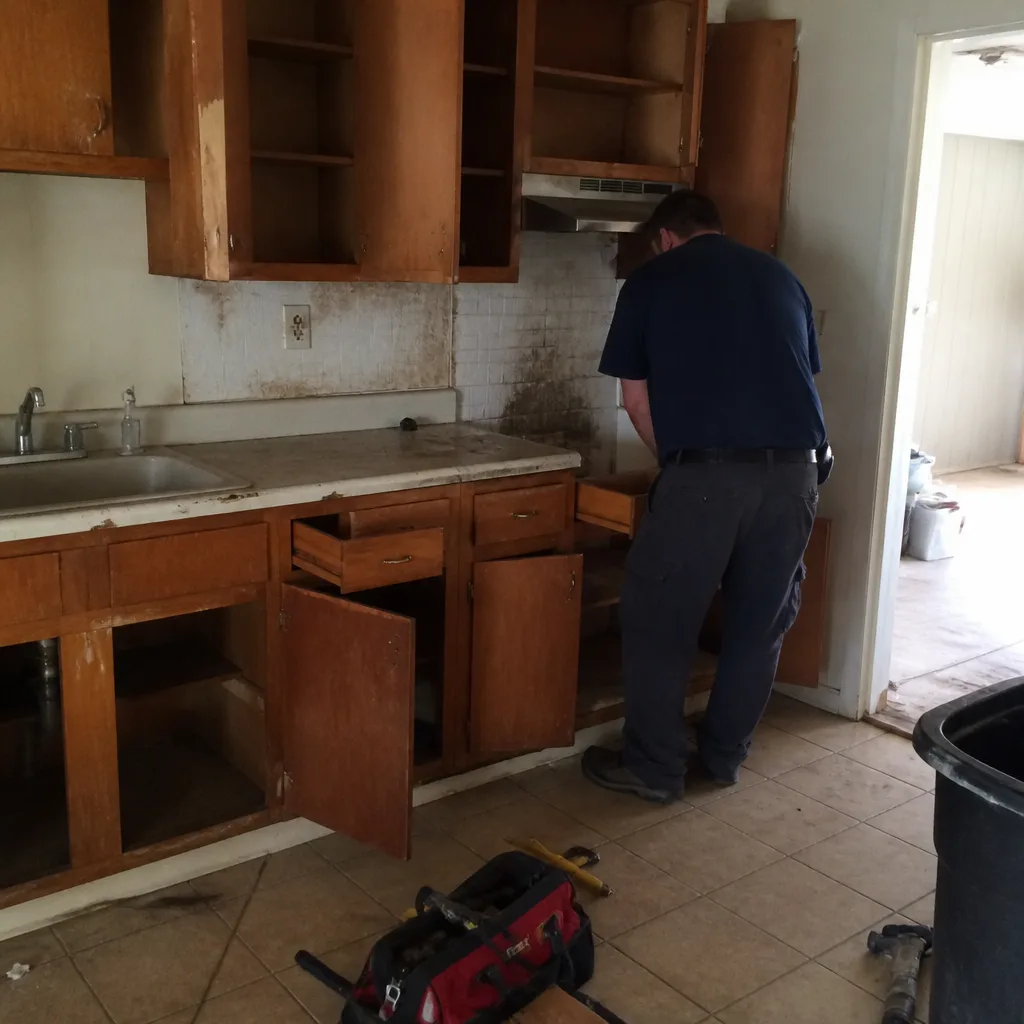 Before
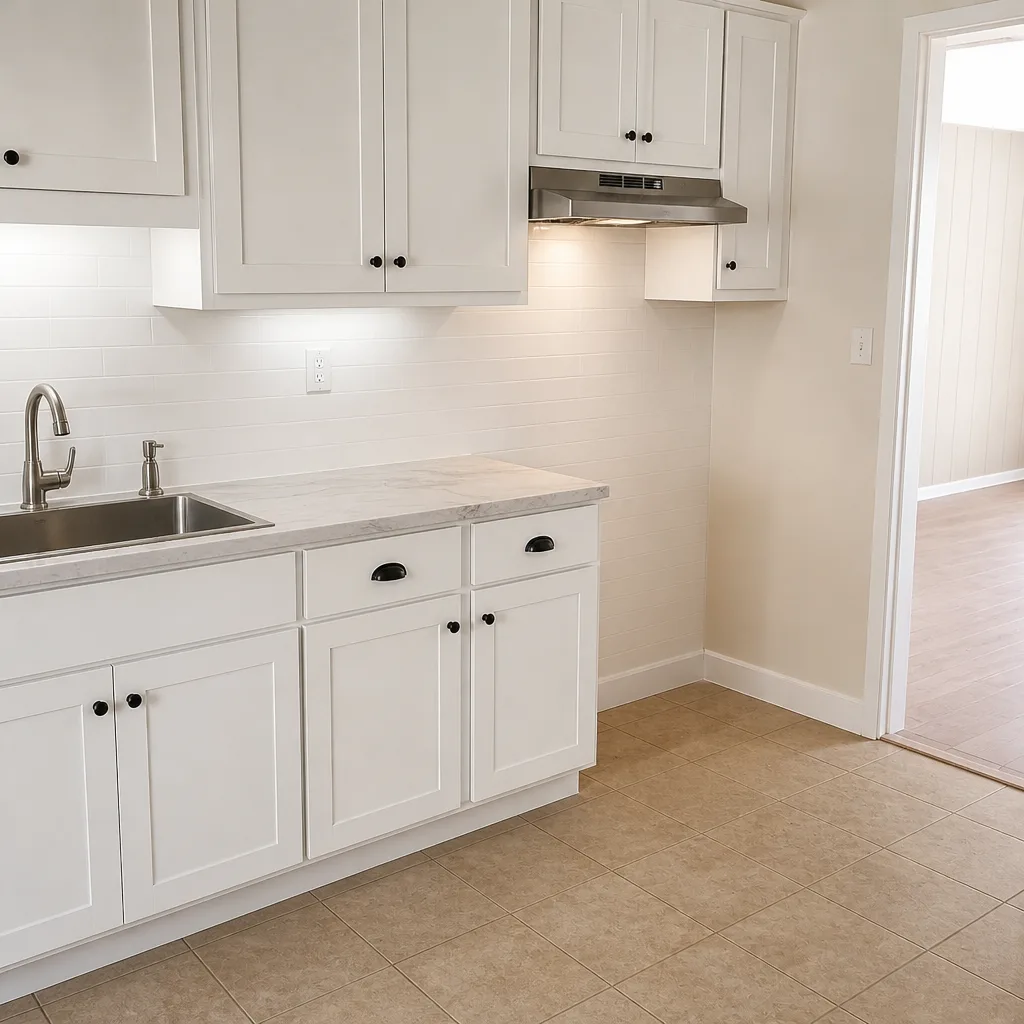 After
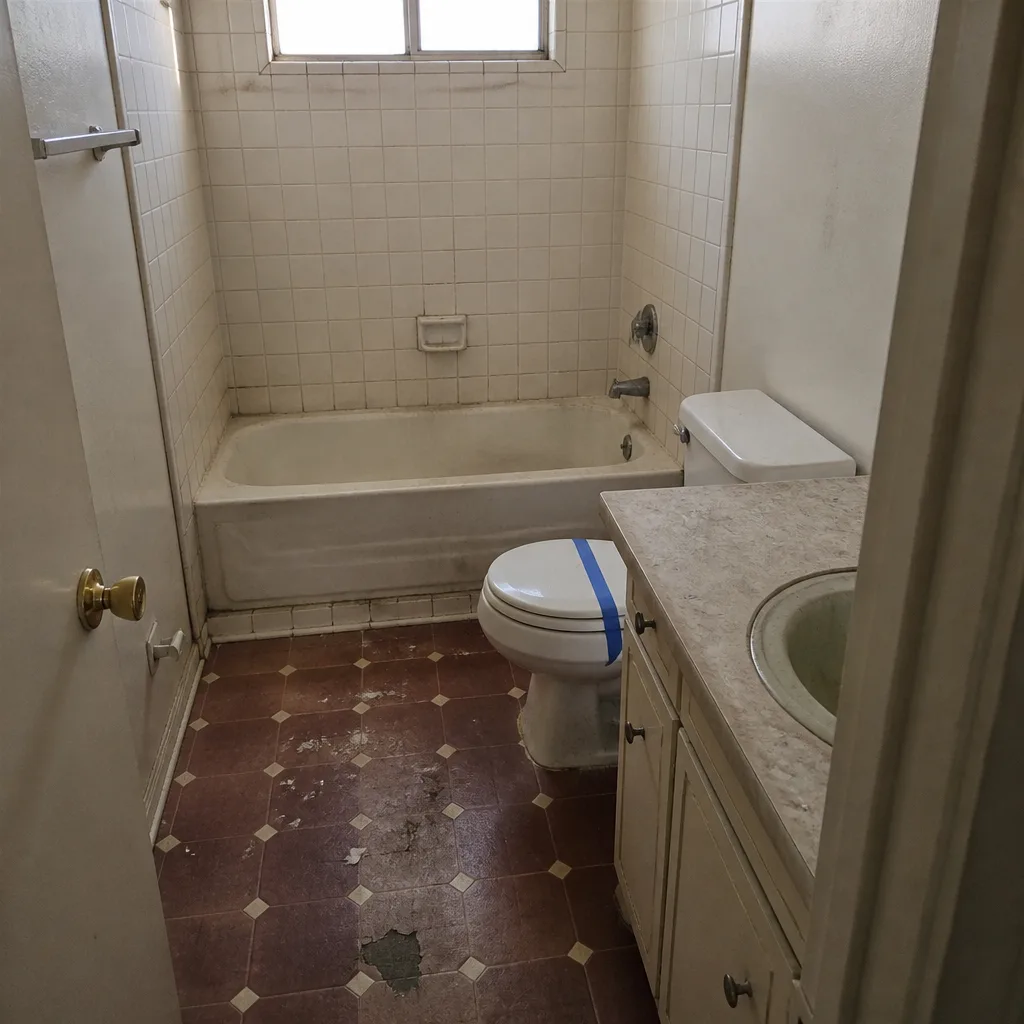 Before
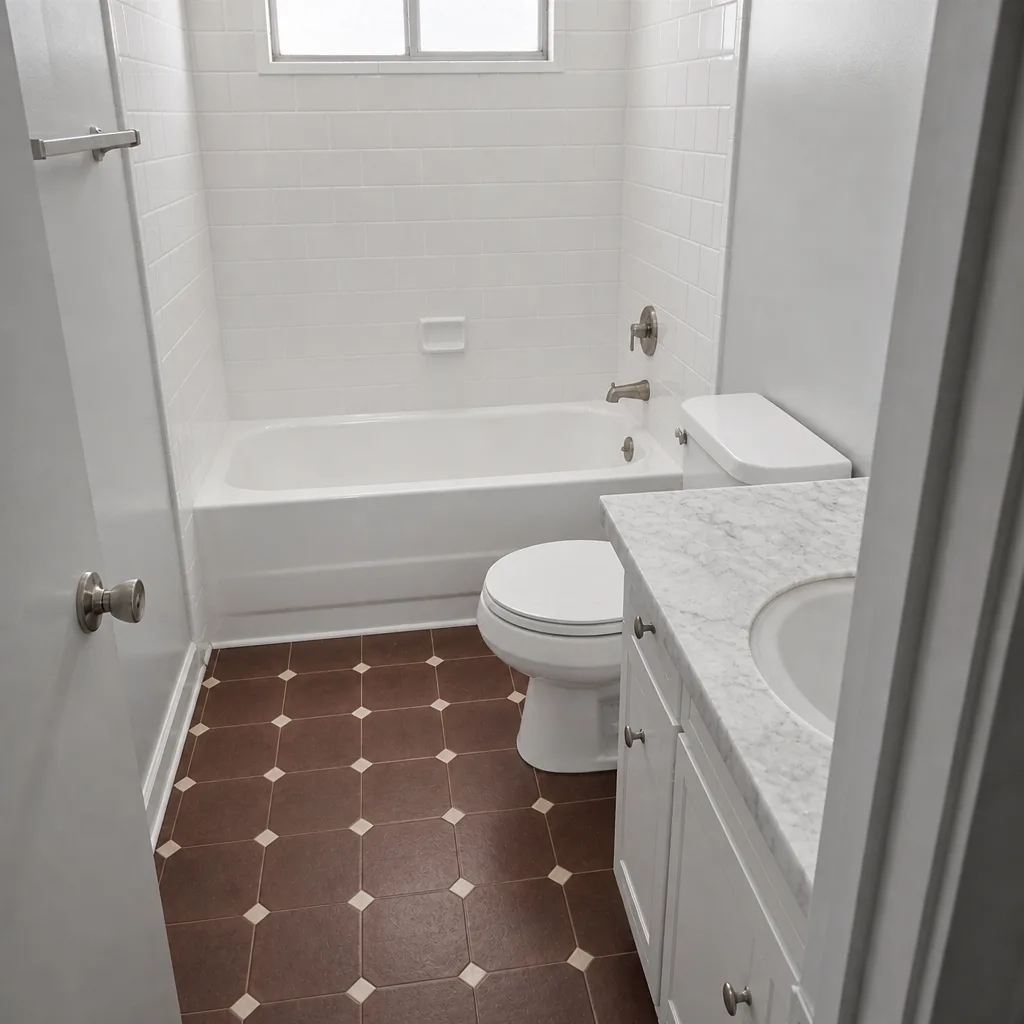 After
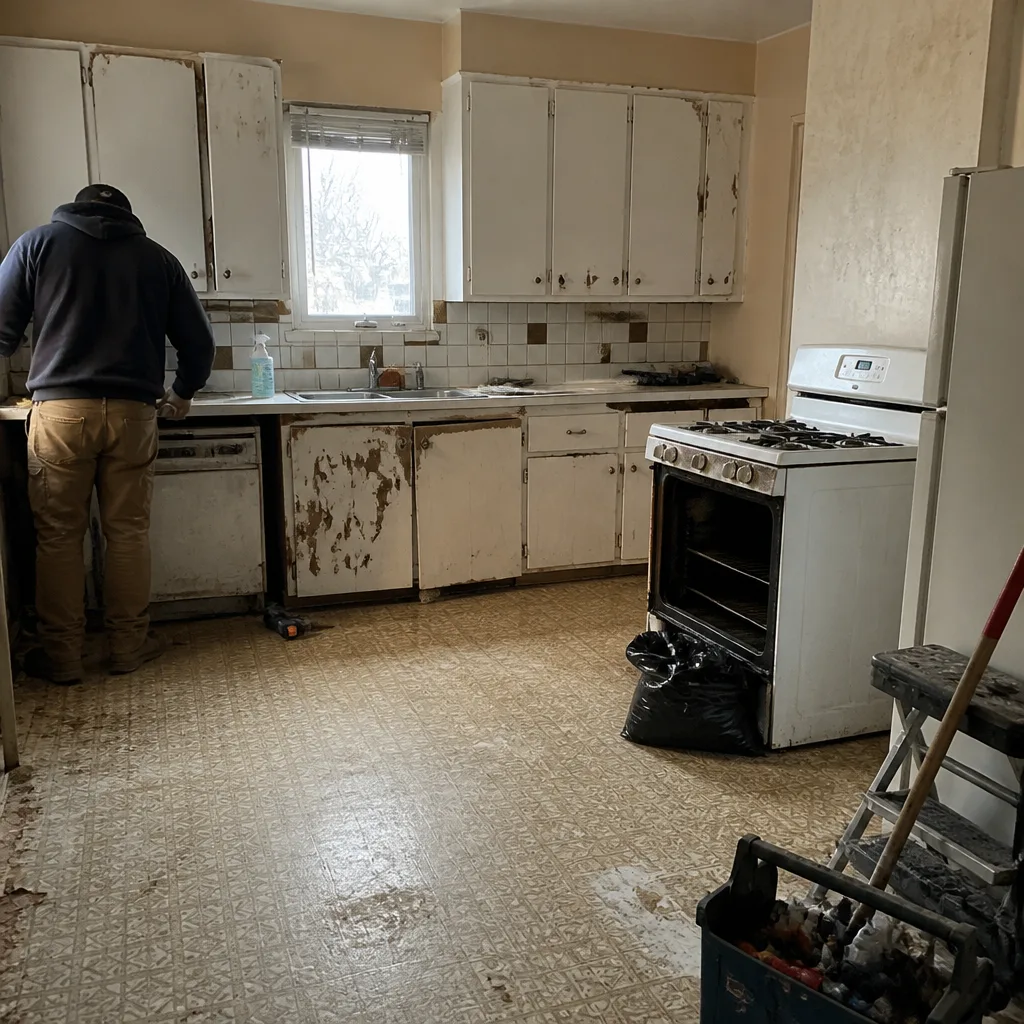 Before
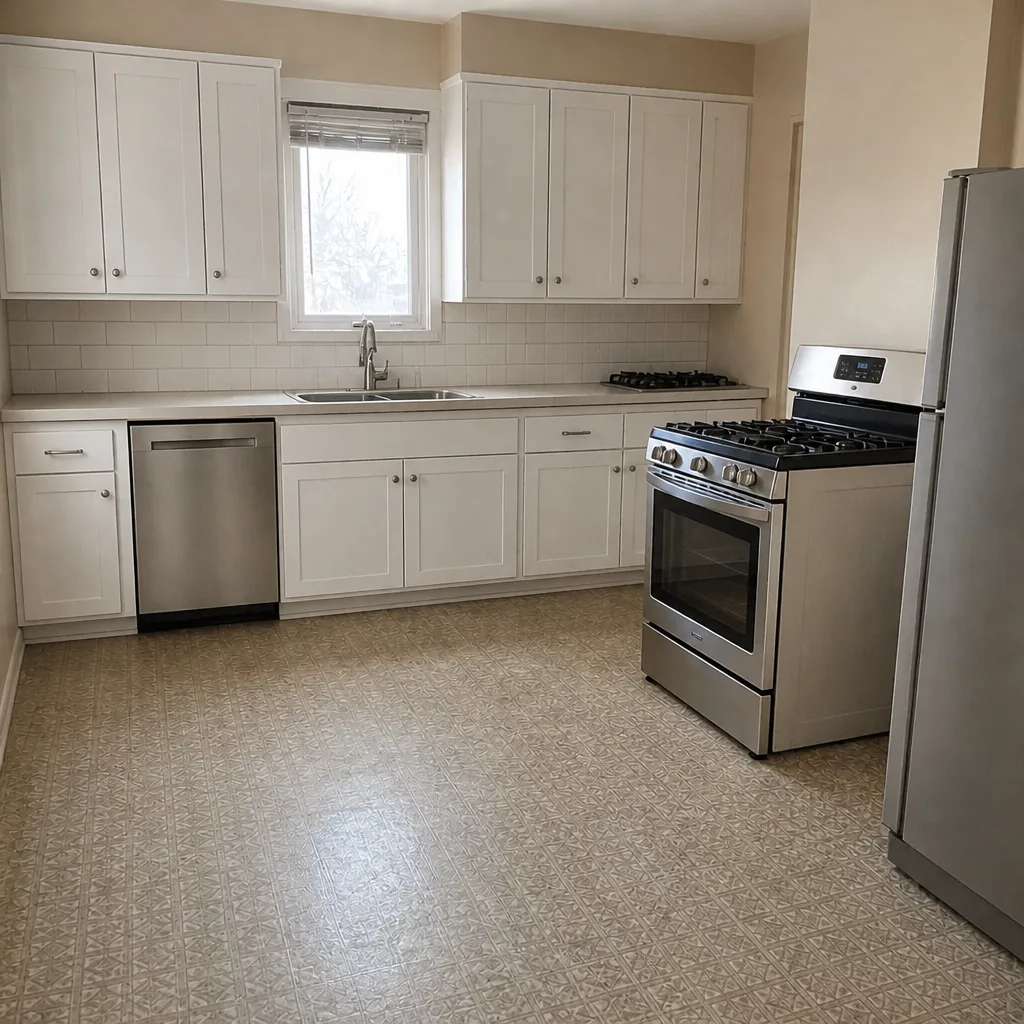 After
What Does a General Contractor Do in Winchester, NV?
A general contractor runs the whole build: pulling the permit, hiring and sequencing the trades, ordering materials, managing inspections, and carrying the warranty when the job closes. In Winchester, that also means knowing which walls need a fire-separation inspection before drywall goes up, and calling the Clark County inspector instead of the City of Las Vegas. If your project is a Strip-adjacent remodel or a motel-era conversion, the GC is the one who keeps it legal, on schedule, and inside the number you approved. Our technicians have up to 21 years of experience, and every project runs under a written price before work starts. Call (888) 343-7097 for a free estimate.
The short answer most guides give you is “a GC manages subs and the timeline.” True, but it leaves out the half that actually decides whether a Winchester project finishes on budget. Here’s the part that matters.
Why a Winchester GC Works Through Clark County, Not the City
Winchester is an unincorporated Clark County island wedged between Las Vegas and the Strip. That one fact reshapes the entire permitting path. Your contractor files with Clark County’s building and public works department, not the City of Las Vegas, and that means a different plan-check queue, a different inspection calendar, and a different set of reviewers who sign off on the final certificate of occupancy.
A GC who doesn’t know the jurisdiction will lose weeks before the first nail is driven. The process a Winchester contractor actually walks you through:
- Permit application and plan check: Drawings go to Clark County. Reviewers look hard at setbacks, parking, and fire separation on tight parcels.
- Inspection sequencing: Foundation, framing, rough-in, insulation, drywall close-in, final. On shared-wall structures the fire-separation inspection has to pass before drywall hides it, and that order is not optional.
- Certificate of occupancy: The GC schedules the final inspections and collects the sign-off so you can legally occupy or reopen the space.
Near the Convention Center and the Strip’s east flank, this is where projects get tricky. Those small parcels and shared walls trigger fire-separation and parking limits that a standard suburban lot never hits. A GC who’s worked this ground knows to flag the issue during scoping, not after the framing crew has already moved on. That’s the difference between a plan check that clears and one that bounces back three times.
The Scheduling Role Nobody Sees Until Something Slips
Most homeowners don’t learn this part of a GC’s job until a pour gets cancelled. Winchester’s desert heat isn’t a background detail – it’s a scheduling constraint that reshapes the whole day. Concrete pours and roofing go in early morning, before the sun drives surface temperatures high enough to wreck a cure. That means the GC is the one dictating start times, staging deliveries at dawn, and building slack into the sequence so a 105-degree afternoon doesn’t undo the day’s work.
Here’s what that looks like on the ground: the concrete sub is on-site at first light, the roofer follows once the deck is clear, and the interior trades work under shade or interior cover during peak heat. Get the order wrong and you’re re-pouring a slab or watching finish crack within a season. A GC who plans around the heat protects both your schedule and the longevity of the work.
The [home](/)-side benefit is that this coordination is what you’re actually paying for. You’re not buying a stranger with a clipboard. You’re buying someone who knows that asphalt and exterior finishes take a beating here and plans the sequence around it.
The Paperwork Behind Pre-1980 Structures
A big share of Winchester’s housing stock dates to the 1950s through the 1970s: low-rise apartments, fourplexes, motels converted to housing, small retail along the Strip’s east flank. Open a wall in one of those and you don’t always get what the drawing promised. You might find galvanized pipe where copper was expected, or non-standard framing that doesn’t match any current convention.
The GC’s job starts before anyone swings a hammer:
- Order a destructive investigation where the drawings are silent, so the scope reflects reality instead of a guess.
- Coordinate hazmat testing when materials from that era might be present, and hold work until results come back.
- Adjust the scope and the price in writing when the opened wall reveals something the plan never accounted for.
This is where a contract with a written price earns its keep. When a surprise shows up, you get a revised number to approve before the crew proceeds – not a line item on the final invoice you never saw coming.
What a GC Covers That a Handyman or Single Trade Can’t
A handyman is great for a faucet. A single-trade sub is great at their one thing. Neither can carry a whole renovation, and the gap is specific:
| Responsibility | General contractor | Handyman / single sub |
|---|---|---|
| Permit authority | Files and pulls permits in the correct jurisdiction | Typically can’t or won’t |
| Subcontractor liability | Coordinates and manages every trade under one contract | Handles one trade only |
| Warranty across full scope | Backs the whole project, not one piece of it | Limited to their single trade |
| Inspection sequencing | Owns the calendar through certificate of occupancy | Not their role |
When several trades touch the same job, someone has to own the outcome. That’s the GC. It’s also why the handoff between trades – the rough-in that has to pass inspection before drywall, the cabinetry that has to land before the countertop template – is a coordination problem, not a labor problem. Brands like Kohler, Moen, and Delta make the selection side straightforward; the GC makes the sequence side work.
Where the Guarantee Turns Coordination Into Something You Can See
A GC’s scheduling function usually runs like a black box. Work happens, you get a call when it’s done. We run it differently, and it’s built into how every Winchester project is managed. The Relay Visibility Guarantee puts three things in front of you before a single tool is picked up: a written price you approve, a live arrival time so you know when the crew lands, and before-and-after photo updates so progress isn’t a mystery between visits.
That last part matters on a coordination-heavy job. When the framing inspection passes or the fire-separation sign-off clears, you see the photo. When the concrete pour moves to a 6 a.m. start to beat the heat, you know the night before. Our technicians are background-checked and uniformed, so you know exactly who’s walking onto the property. And when a repair fails, a free second visit covers it – no argument, no invoice. The 365-Day Done Right Promise backs the whole project for a full year after close.
Here’s ballpark pricing so you can plan before you call:
- Bathroom remodel: $9,000-$28,000
- Kitchen remodel: $14,000-$45,000
- Home addition: $45,000-$130,000
- ADU construction: $90,000-$220,000
- Garage conversion: $30,000-$80,000
- Roof replacement: $8,000-$20,000
Those ranges depend on scope, structure age, and how much the opened walls reveal. A written, itemized price is what turns the range into a real number.
FAQs
A GC carries the permit authority, the liability management across every subcontractor, and the warranty for the full scope of work – three things an owner-builder takes on personally. You can hire trades individually, but you become the one calling the Clark County inspector, sequencing inspections, and absorbing the risk when a sub’s work fails. The GC exists to hold all of that under one contract.
For most Winchester remodels, especially anything touching structure, fire separation, or multiple trades, you need a GC to pull permits and manage inspections through certificate of occupancy. A single-trade job like a vanity swap may not require one. If your project crosses trades or needs a county sign-off, call (888) 343-7097 and we’ll tell you honestly what the job requires – estimates are free.
Project costs in Winchester run from around $9,000-$28,000 for a bathroom remodel up to $45,000-$130,000 for a home addition, with the GC’s coordination, permitting, and warranty built into the written price. The exact figure depends on structure age and what testing or investigation turns up. Call (888) 343-7097 for an itemized quote – the number you approve is the number on the invoice.
Extreme desert heat makes early-morning starts a practical necessity, not a preference. Concrete needs cooler temperatures to cure properly, and roofing crews work faster and safer before peak sun. A GC who plans the sequence around the heat protects the quality of the finished work. Call (888) 343-7097 to talk through timing for your project.
Talk to a Contractor Who Knows the Ground
If you’d rather have it looked at, Sawyer Remodeling Winchester offers a no-pressure assessment in Winchester – call (888) 343-7097. You’ll get a written price before work starts, a live arrival time, and photo updates the whole way through. Our technicians bring up to 21 years of experience to the job, and the county paperwork is our problem, not yours.
Written by the team at Sawyer Remodeling Winchester, serving Winchester, NV.