
Last updated November 18, 2026








Free written scope consultation - allowances, timeline, and change-order rules on paper before a single trade is scheduled
General Contractor Maintenance Schedule: What to Do and When
Here’s the part nobody tells you when the dust settles and the punch list is signed off: the remodel you just paid for is now a set of new systems that will start aging the day the crew pulls away. The grout that fails at year two, the caulk that separates at year one, the paint that bubbles by summer – these aren’t signs of bad work. They’re skipped maintenance on a predictable schedule. In Winchester, where the air is dry enough to pull moisture out of everything, those schedules run a little faster than most homeowners expect. This guide gives you a concrete calendar tied to what was actually built, organized by trade, with the inspection points that matter most.
Quick Answer
The core of a post-remodel maintenance schedule is simple: check caulk and seals every 6 months, re-grout and reseal tile every 1 to 2 years, touch up paint and inspect drywall seams annually, and have plumbing and electrical systems checked at the 30-day, 6-month, and 1-year marks. In Winchester’s dry desert climate, sealants and caulk degrade faster than in humid regions, so the shorter end of every window is the safer default.
Styles & brands we work with
- Kitchen remodeling
- Bathroom remodeling
- Home additions & ADU
- Roofing
- Windows & doors
- Driveway & pavers
- Fence
Table of Contents
- Why a New Remodel Needs More Maintenance, Not Less
- Which Materials Have the Shortest Maintenance Windows
- How Nevada’s Dry Desert Climate Accelerates Wear
- The 30-Day, 6-Month, and 1-Year Inspection Timeline
- A Month-by-Month Calendar, Organized by Trade
- Bathroom and Kitchen Systems: The Highest-Maintenance Rooms
- Why a Photo Record Makes Future Maintenance and Warranty Claims Faster
Why a New Remodel Needs More Maintenance, Not Less
New construction settles, and that settling shows up in the seams. The caulk lines, grout joints, drywall corners, and trim miters that a crew cut to fit perfectly will shift slightly over the first 12 to 18 months as lumber dries, framing adjusts, and materials reach equilibrium with the indoor air. That’s not a defect. It’s normal behavior, and it’s exactly why the first year after a remodel needs more attention than year five.
In our experience across kitchen and whole-home projects in Winchester, the homeowners who treat the first year as an active maintenance window end up with finishes that look new at year three. The ones who assume a fresh remodel is maintenance-free are usually the ones calling about cracked grout and peeling caulk by month 14.
Think of it this way. A general contractor installs systems that rely on seals, membranes, and joints to perform. Every one of those is a wear point with a clock on it. The clock starts at completion.
- Caulk and sealant: shrinks and cracks as it cures, especially in low humidity
- Grout: hairline cracks appear as the substrate moves through seasonal temperature swings
- Drywall seams: tape joints can telegraph through paint as framing dries
- Paint: needs 30 days to fully cure before it can be cleaned or scrubbed
- Plumbing connections: supply lines and drain fittings can loosen slightly as materials expand and contract
None of these are reasons to worry. They’re reasons to have a schedule. If you’re planning a remodel and want to understand what gets built and why it needs care, our overview of Sawyer Remodeling Winchester home services walks through the systems a project touches.
Which Materials Have the Shortest Maintenance Windows
Not all post-remodel materials age at the same rate. Knowing which ones need the earliest attention saves you from discovering a problem the hard way. Here’s the ranking, from shortest to longest maintenance window.
Caulk (6 to 12 months). Caulk is the first thing to go. It’s a flexible sealant that shrinks as it cures and dries out faster in low-humidity air. In Winchester bathrooms and kitchens, we tell homeowners to inspect caulk lines at the 6-month mark and expect to recaulk high-use areas like tub surrounds and backsplashes within the first year.
Grout sealant (12 to 18 months). Grout itself is durable, but the sealant that protects it breaks down. Once the sealant fails, grout absorbs moisture and stains. Resealing grout every 12 to 18 months keeps tile looking sharp and prevents the deeper cleaning that comes with neglected joints.
Paint (2 to 5 years, touch-ups sooner). Interior paint in low-traffic areas holds up for years. High-moisture rooms and southern-exposure walls in Winchester fade and chalk faster. Plan on touch-ups within two years for bathrooms and sun-facing rooms.
Stone and quartz surfaces (10+ years, sealed annually). Brand-name surfaces like Cambria and Caesarstone are engineered for durability, but natural stone needs annual sealing. Even engineered quartz benefits from a yearly inspection of edge seams and caulk lines at the backsplash.
The pattern is clear: the softer and more flexible the material, the shorter its maintenance window. That’s why the schedule starts with caulk and works outward.
How Nevada’s Dry Desert Climate Accelerates Wear
Winchester sits in the Mojave, and the climate here does specific things to interior finishes that homeowners from wetter regions don’t anticipate. Average annual rainfall is around 4 inches. Summer highs regularly top 100°F. Indoor humidity swings hard between air-conditioned summer months and cooler winter air.
That swing is the problem. Materials expand and contract with temperature and humidity changes, and in the desert those changes are large and frequent. Here’s what we see most often in Winchester homes:
- Caulk dries and cracks faster. Low humidity pulls moisture out of sealants, which is why caulk lines fail sooner here than in coastal climates.
- Wood trim and cabinetry can shrink slightly. Framing lumber and cabinet boxes dry out over the first year, opening small gaps at joints and miters.
- Grout cracks at seasonal transitions. The shift from summer AC to winter heating moves the substrate just enough to open hairline cracks.
- Exterior paint and siding take a beating. UV exposure in Southern Nevada is intense. Exterior surfaces need inspection more often than the national average.
- Dust infiltration is constant. Desert dust finds its way into window tracks, HVAC returns, and cabinet interiors, which affects how often those need cleaning.
Windows, doors, and exterior penetrations deserve special attention in Winchester. Seals around those openings are the first line of defense against both dust and the heat gain that drives up cooling costs. Our general contractor services in Winchester include a post-project walkthrough that flags exactly these wear points so you know what to watch.
The 30-Day, 6-Month, and 1-Year Inspection Timeline
These three checkpoints catch almost everything that goes wrong in the first year after a remodel. Do them in order and you’ll stay ahead of the curve.
- 30-Day Inspection. Walk every room with a notepad. Check caulk lines in bathrooms and kitchens for separation. Look at grout for cracks. Open and close every cabinet, door, and window to confirm smooth operation. Test every outlet and switch. Run all plumbing fixtures and check under sinks for moisture. This is also when most warranty claims should be filed if something looks off.
- 6-Month Inspection. Repeat the 30-day walk-through and add a few items. Inspect paint at corners and seams for bubbling or peeling. Check that tile grout hasn’t cracked at floor-to-wall transitions. Look at drywall for new cracks at corners and above doorways. Re-check caulk in high-moisture areas and recaulk if it’s pulling away.
- 1-Year Inspection. This is the big one. The house has been through a full seasonal cycle. Look for hairline cracks in drywall and grout, check that doors and windows still latch properly, inspect exterior caulk and weatherstripping, and confirm that the HVAC system is moving air through every room as designed. This is the natural point to reseal grout and refresh any caulk that has aged.
Set phone reminders for each checkpoint. The homeowners who do this in Winchester consistently report fewer surprises and lower long-term repair costs.
A Month-by-Month Calendar, Organized by Trade
Once the first year is behind you, maintenance settles into a predictable rhythm. Here’s how the work breaks down by trade, month by month.
Tile
- January: Inspect grout in showers and floors after the heating season starts. Note any new cracks.
- April: Deep-clean tile and grout before summer. Check that sealant is intact.
- July: Recheck shower grout during peak AC season, when indoor air is driest.
- October: Reseal grout annually or every 18 months depending on use.
Drywall and Paint
- February: Inspect corners and seams for hairline cracks. Patch and touch up as needed.
- May: Touch up paint in high-traffic areas and sun-facing walls.
- September: Check exterior paint and caulk before the cooler months.
Plumbing
- March: Check under every sink for slow leaks. Test supply lines and shutoff valves.
- August: Flush water heaters and check for mineral buildup, which is common in Southern Nevada’s hard water.
- November: Inspect caulk around tubs, showers, and sinks before the dry winter air sets in.
Electrical
- March and September: Test GFCI outlets in kitchens and bathrooms. Press the test button and confirm they reset.
- June: Check that outdoor outlets and lighting are weather-tight before peak heat.
- December: Inspect the panel for tripped breakers and confirm that labeling is still accurate.
Run this calendar for a year and it becomes second nature. The point isn’t to turn your home into a project. It’s to spend 20 minutes a month instead of a weekend every few years.
Bathroom and Kitchen Systems: The Highest-Maintenance Rooms
Bathrooms and kitchens carry the most maintenance load in any home because they combine water, heat, and heavy daily use. A bathroom remodeled with brand-name fixtures from Kohler or Grohe still needs the same schedule as any other bathroom. The fixtures are more durable, but the seals and joints around them still age.
In a Winchester bathroom, the priority list looks like this:
- Caulk at tub and shower edges: inspect every 6 months, recaulk within 12 months
- Grout in the shower pan and walls: inspect quarterly, reseal annually
- Shower door seals and sweeps: replace when they harden or discolor, typically every 1 to 2 years
- Exhaust fan: clean the grille every 6 months to keep humidity moving out
- Toilet and sink supply lines: check for moisture at the 30-day, 6-month, and 1-year marks
Kitchens follow a similar pattern. Backsplash caulk and grout take the earliest wear. Sink and dishwasher supply connections should be checked twice a year. Range hood filters need cleaning every 3 to 6 months. If you’re considering a kitchen update in the near future, the maintenance schedule is one more reason to choose materials with a long service life. Our kitchen remodeling services in Winchester include a walkthrough that maps out exactly what needs attention and when.
Bathrooms are the single highest-risk room for water damage. A failed caulk line that goes unnoticed for a year can cause far more damage than the original remodel cost. That’s why the schedule matters most there. For a room-by-room breakdown of what a remodel includes, see our bathroom remodeling services in Winchester.
Why a Photo Record Makes Future Maintenance and Warranty Claims Faster
Here’s a maintenance habit that costs nothing and saves real money: photograph everything, and keep the photos where you can find them.
A photo record does three things. First, it establishes the baseline condition of every surface, joint, and seam at completion. When a crack appears at month 8, you can compare it to the day-one photo and show whether it’s new or pre-existing. Second, it makes warranty claims faster because the evidence is already in hand. Third, it helps you spot slow changes you’d otherwise miss, like a caulk line that has been pulling away gradually over months.
What to photograph after a remodel:
- Every caulk line and grout joint before use
- Under-sink plumbing connections
- Electrical panel labeling and outlet locations
- Cabinet interiors and drawer hardware
- Exterior caulk lines and window seals
- Any manufacturer labels on fixtures, appliances, and finishes
Store the photos in a dedicated folder and add new ones at each inspection checkpoint. When a repair is needed, you’ll have the full history. This is the same reason The Relay Visibility Guarantee includes before-and-after photo updates on every project: documented condition is the foundation of an honest conversation about what comes next.
Common Mistakes to Avoid
- Skipping the 30-day walk-through. The first month is when warranty issues are easiest to resolve. Waiting until month 6 to report a problem makes it harder to establish that it existed from day one.
- Assuming grout is waterproof. Grout is not a seal. It absorbs water. Without a sealant topcoat, it stains and eventually fails, especially in Winchester’s dry air where sealant degrades faster.
- Recaulking over old caulk. New caulk won’t bond to old caulk. Remove the old bead completely, clean and dry the surface, then apply fresh material. Skipping the removal step guarantees a repeat failure within months.
- Ignoring minor drywall cracks. Hairline cracks at corners and doorways are usually normal settling, but they also let in dust and moisture. Patch them promptly so they don’t grow into larger repairs.
- Letting the photo record lapse. A photo taken at year five is useful. A series of photos taken at completion, 30 days, 6 months, and one year is a maintenance map. The second one is what speeds up warranty claims.
- Postponing the annual reseal. In a desert climate, “I’ll get to it next month” turns into a year quickly. Resealing grout annually is one of the cheapest maintenance tasks you can do, and skipping it leads to the most expensive repairs.
- Not checking under sinks after the first year. Slow supply line leaks are the most common hidden issue in a home. A two-minute check twice a year catches them before they cause damage.
See the difference
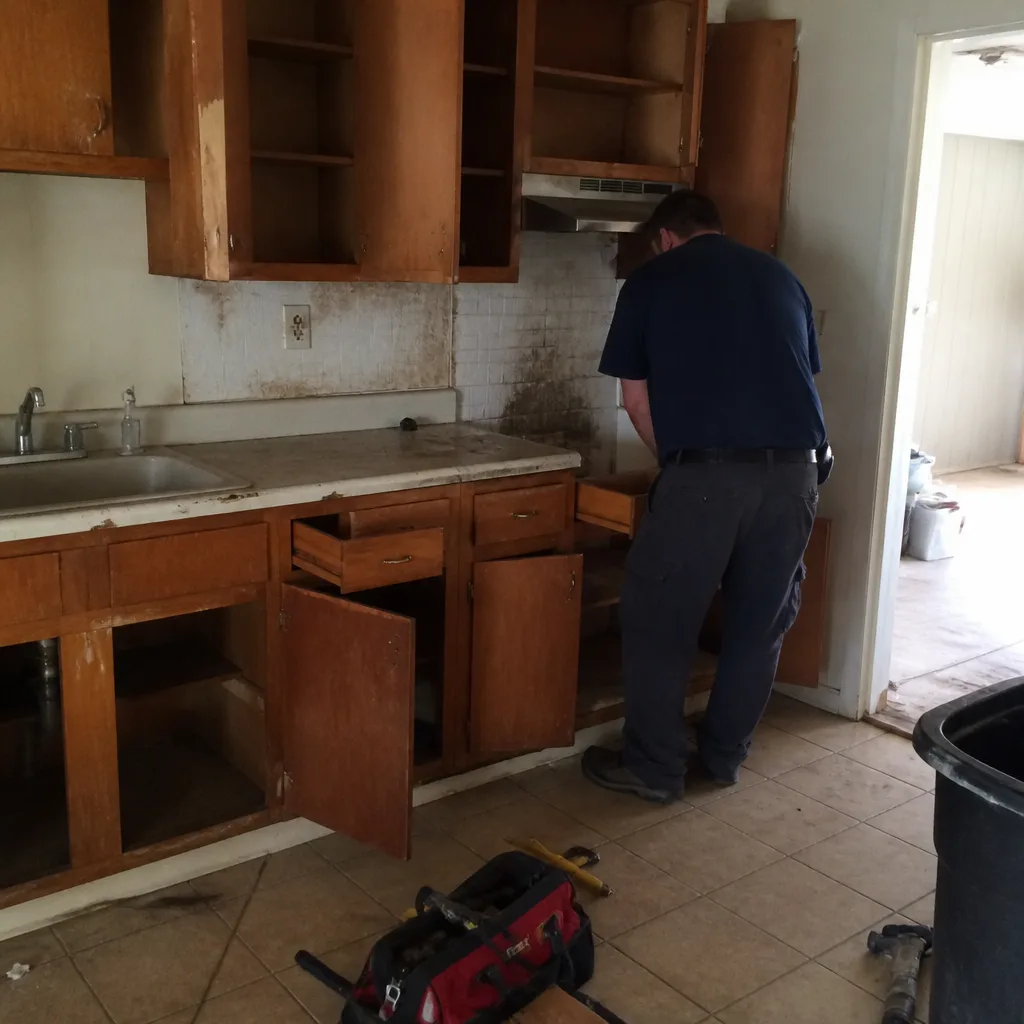 Before
 After
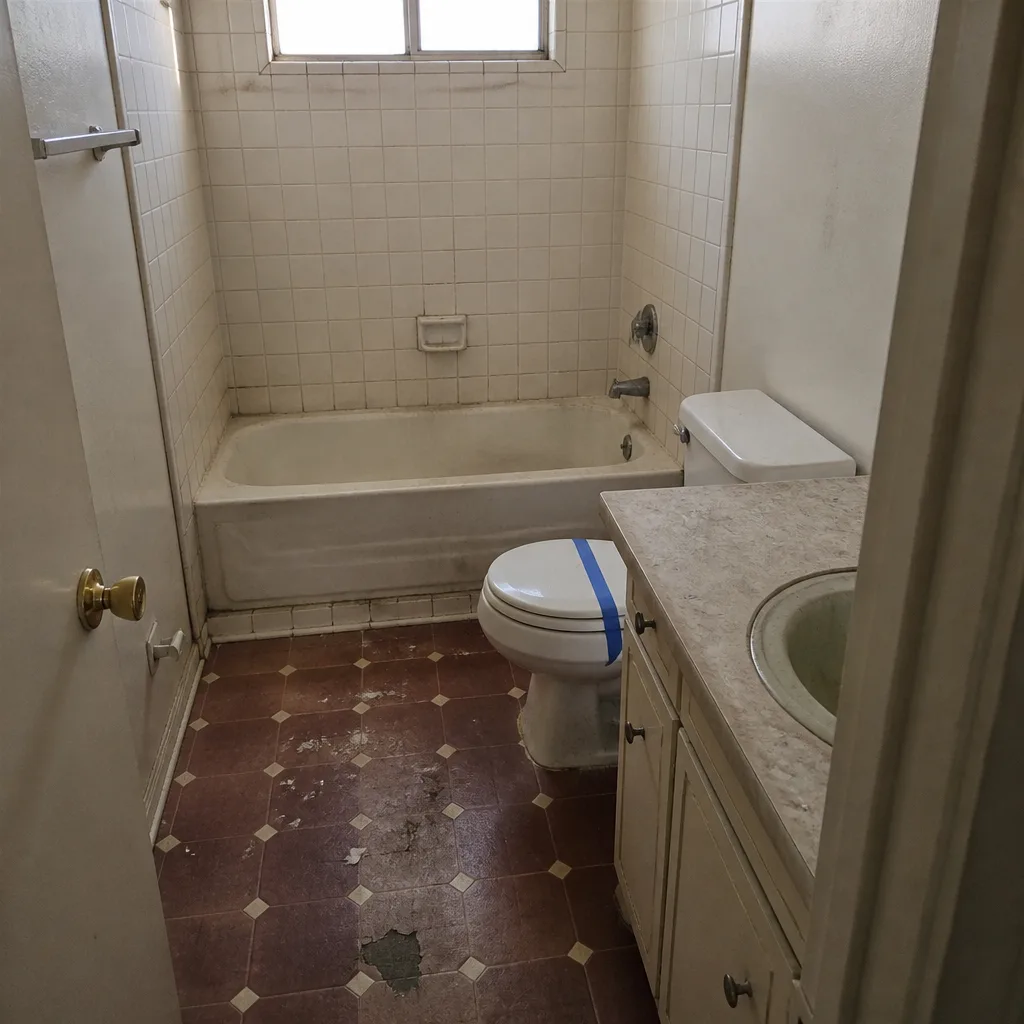 Before
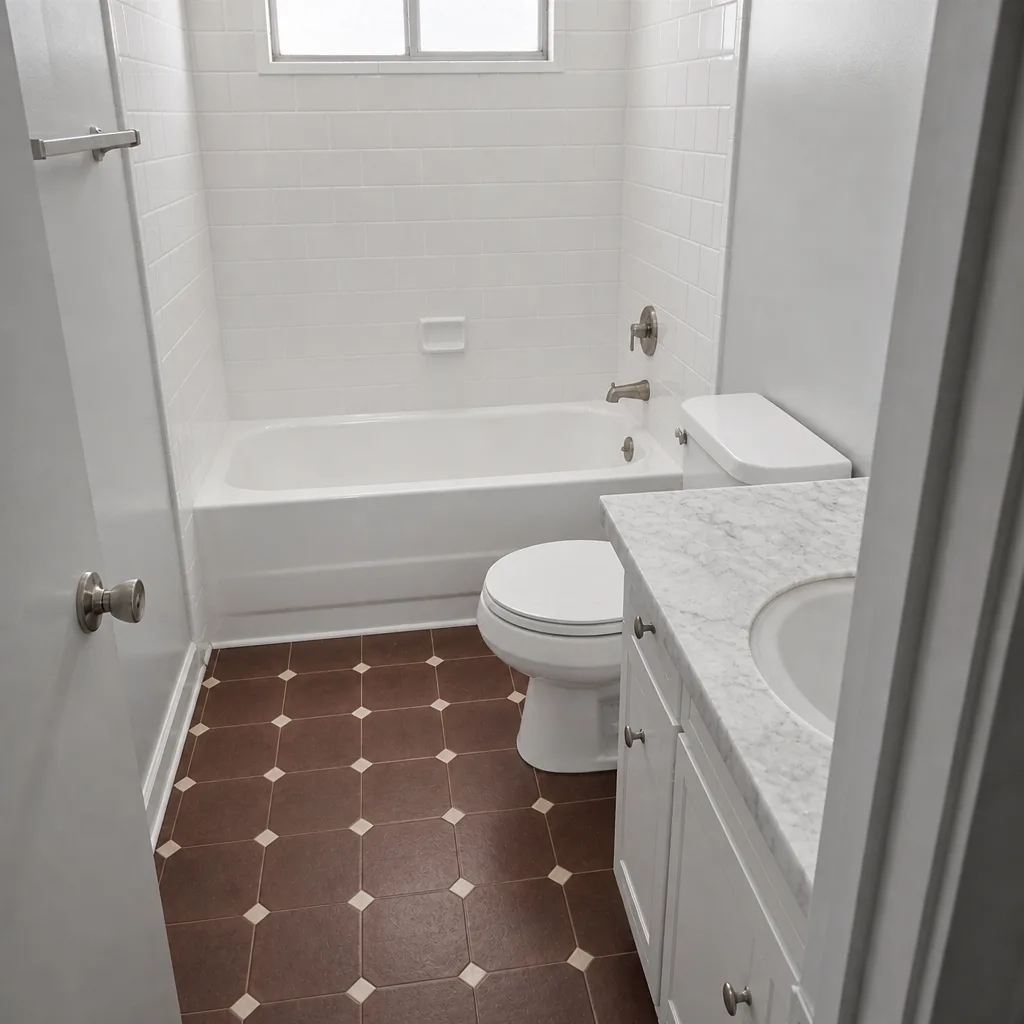 After
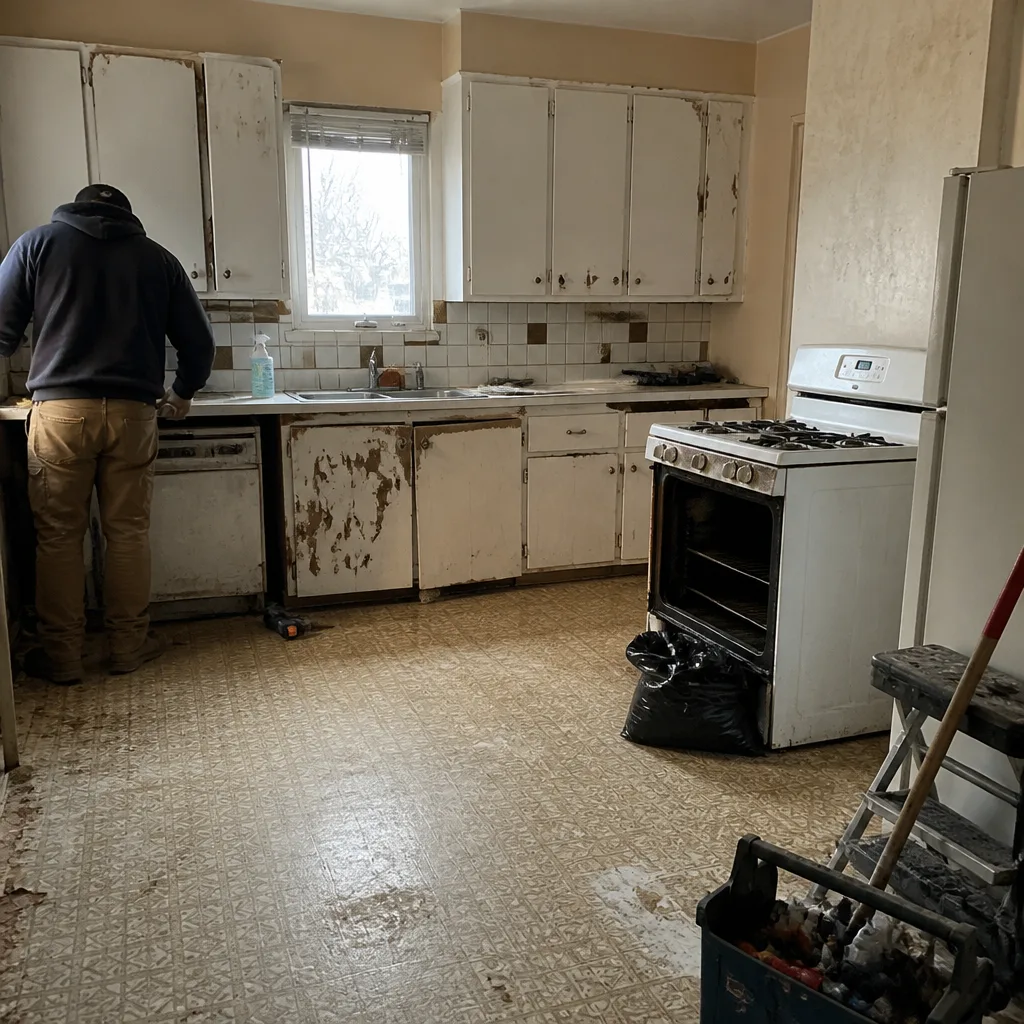 Before
 After
When to Call a Professional
Some maintenance tasks are simple to handle yourself: caulking a tub edge, touching up paint, replacing a shower door sweep. Others need a professional. Call a contractor when you notice water stains on drywall, soft spots in flooring, a shower pan that flexes underfoot, or repeated grout failure in the same spot. Those can signal an underlying waterproofing issue that a surface fix won’t solve.
The same applies to electrical work. A tripping GFCI outlet is normal; a breaker that trips repeatedly is not. Any work inside the panel belongs to a licensed electrician, and we’d tell you the same in person. For plumbing, persistent low pressure, discolored water, or a water heater that isn’t heating evenly all warrant a professional look.
Sawyer Remodeling Winchester offers free estimates in Winchester for any post-remodel maintenance or repair work. Call (888) 343-7097 to schedule a visit and get a written price before any work begins.
Frequently Asked Questions

A newly remodeled bathroom needs a caulk and grout inspection every 6 months and a full reseal annually, with the first check at 30 days. In Winchester’s dry climate, caulk can begin to crack within the first year, so the shorter end of every maintenance window is the right default.
Yes, when the project is done by a contractor that backs its work. Sawyer Remodeling Winchester includes the 365-Day Done Right Promise on every project, which means if it’s not done right, we make it right for a full year after the project closes. Material warranties from brands like Kohler or Grohe are separate and come with the product.
New grout cracks most often because the substrate is still settling or because the dry desert air is causing quick shrinkage at joints. Hairline cracks in the first year are common and can be patched. Larger or repeated cracks in the same area suggest a waterproofing issue that a professional should inspect.
Check under every sink for moisture at the 30-day, 6-month, and 1-year marks. Look for slow drips at supply line fittings, dark spots on cabinet flooring, or a musty smell. A two-minute check takes almost no time and catches one of the most common hidden problems in any home.
Yes. Nevada’s low humidity and intense UV exposure break down grout sealant faster than in wetter climates. Resealing annually, or every 18 months at the outside, keeps grout protected and prevents staining that’s expensive to reverse.
Hairline cracks at doorways, corners, and floor-to-wall transitions are normal settling and can be patched. Cracks that widen, appear along the same line repeatedly, or come with soft spots, moisture, or a bowing surface need a professional inspection. When in doubt, call (888) 343-7097 for a free estimate and an honest assessment.
The Bottom Line
A finished remodel is the start of a maintenance schedule, not the end of one. Caulk needs a look every 6 months. Grout needs resealing annually. Paint and drywall need a yearly walk-through. The 30-day, 6-month, and 1-year inspections catch what the first year of settling produces, and a photo record makes every future claim faster and easier to prove. Winchester’s dry desert air speeds up the clock on all of it, so default to the shorter maintenance window. Keep the calendar, stay ahead of the small repairs, and the finishes you paid for will hold their look for years.
Call (888) 343-7097 for a free estimate on any maintenance or repair work in Winchester. We’ll hand you a written price before any work starts, keep you updated through the job, and stand behind the result.
Written by the team at Sawyer Remodeling Winchester.