Last updated November 18, 2026







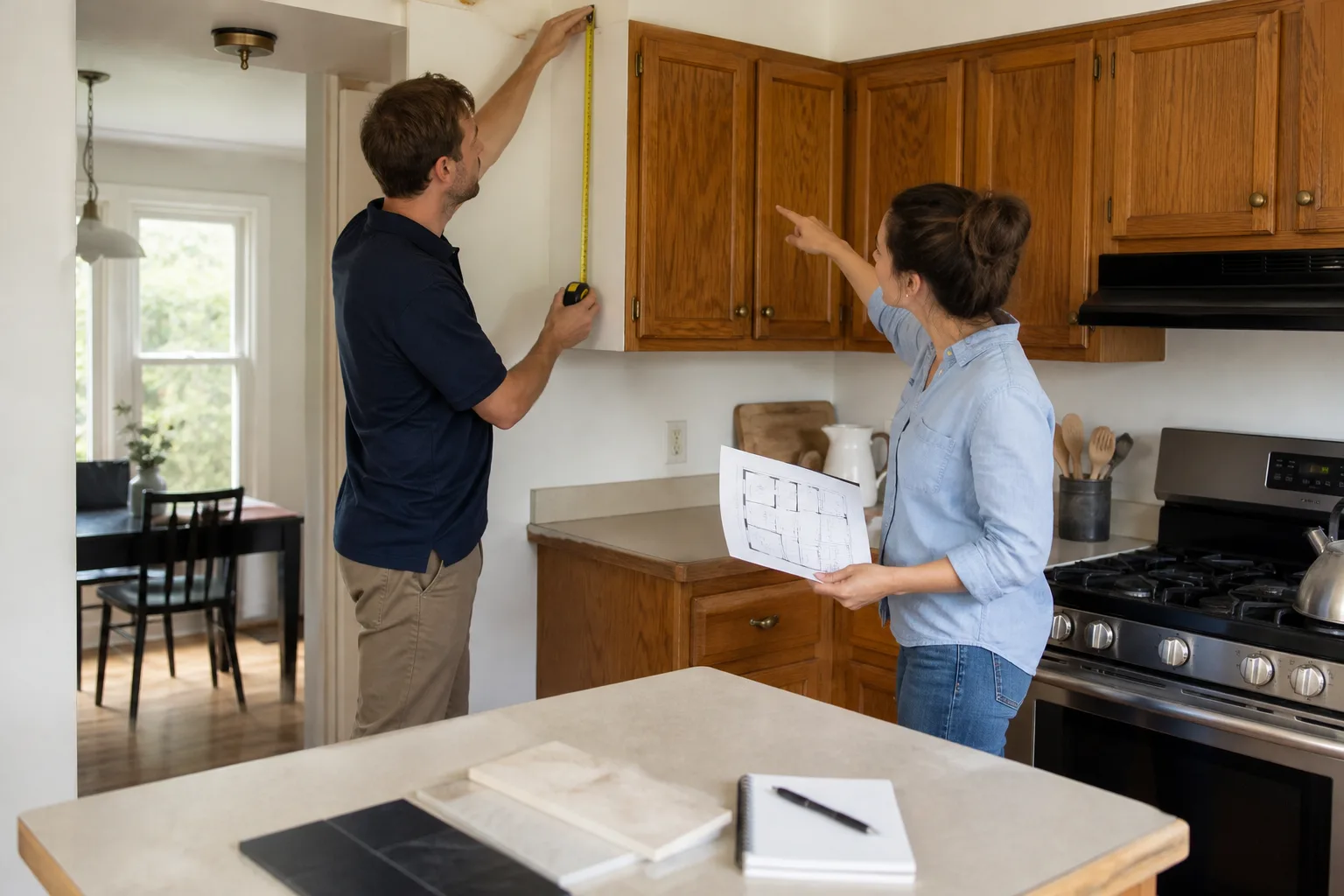
Free written scope consultation - allowances, timeline, and change-order rules on paper before a single trade is scheduled
General Contractor Warning Signs Every Homeowner Should Know
The contractor who took your neighbor’s deposit and vanished probably had a license. He probably had insurance paperwork too, and a nice truck, and a website with stock photos of finished kitchens. That’s the uncomfortable part most guides skip. The license check is table stakes. What actually predicts whether your remodel goes smoothly or turns into six months of phone tag has almost nothing to do with the obvious stuff. It’s in how they quote, how they schedule, how they write a contract, and how they communicate when nothing’s wrong. In this guide we’ll walk through the second-tier red flags we’ve learned to spot after years of remodeling homes across Winchester, and you’ll leave knowing exactly what to look for before you sign.
Quick Answer
The warning signs that actually cost homeowners money are subtle: a quote with no line-item breakdown, a start date that keeps sliding with vague “we’re slammed” excuses, and contract language that lets a contractor bill for anything they label “unforeseen.” A low price with no detail behind it isn’t a deal, it’s an open door. The real test of a contractor is whether they put a specific scope and a written price in front of you before work starts, and whether they communicate clearly when there’s no problem to report.
Styles & brands we work with
- Kitchen remodeling
- Bathroom remodeling
- Home additions & ADU
- Roofing
- Windows & doors
- Driveway & pavers
- Fence
Table of Contents
- Why a Quote Without Line Items Is a Structural Problem
- What a Sliding Start Date Really Tells You
- The Contract Language That Lets Contractors Bill for “Unforeseen” Work
- How to Read Review History for Patterns, Not Stars
- What Good Communication Actually Looks Like
- Deposit and Payment Schedule Red Flags
- How to Verify a Contractor Before You Sign
- Common Mistakes to Avoid
Why a Quote Without Line Items Is a Structural Problem
A lump-sum quote – “bathroom remodel, $28,000” – isn’t lazy paperwork. It’s a structural gap that shows up later when someone has to decide who pays for the extra. If the number has no line items, there’s no way to check whether the tile allowance is $400 or $4,000, whether permits are included, or whether demo and disposal are on the invoice or added at the end. When the number changes, you have nothing to point at.
In our experience remodeling homes in Winchester, the projects that go sideways almost always started with a one-line quote. Here’s what a usable quote breaks out:
- Labor and materials, separated by room or trade
- Allowances for tile, fixtures, and countertops, with a specific dollar cap on each
- Permit fees and who pulls them
- Demo, haul-away, and dumpster costs
- Contingency line, if there is one, with the percentage stated
At Sawyer Remodeling, the written price you approve before work starts is the price on the final invoice. No change orders invented after the fact. That’s the whole point of writing it down line by line: it protects both sides from “we thought that was included.”
What a Sliding Start Date Really Tells You
Every contractor juggles multiple jobs. The difference is whether their start-date slippage is explained and rescheduled, or shrugged off. “We’re really busy right now” with no new date and no explanation is a signal about how the rest of your project will run. A contractor who can’t estimate their own calendar probably can’t estimate your timeline either, and the sliding window follows you to the end of the job.
Watch for these patterns:
- The start date moves more than once, each time without a reason you can check.
- You get no written schedule at all, just “we’ll call you when we’re ready.”
- They won’t confirm who’s arriving, what days, or which crew.
- The dates in the contract have no consequences attached – no end date, no remedy if it slips.
- Communication goes quiet the week before you expected them to show.
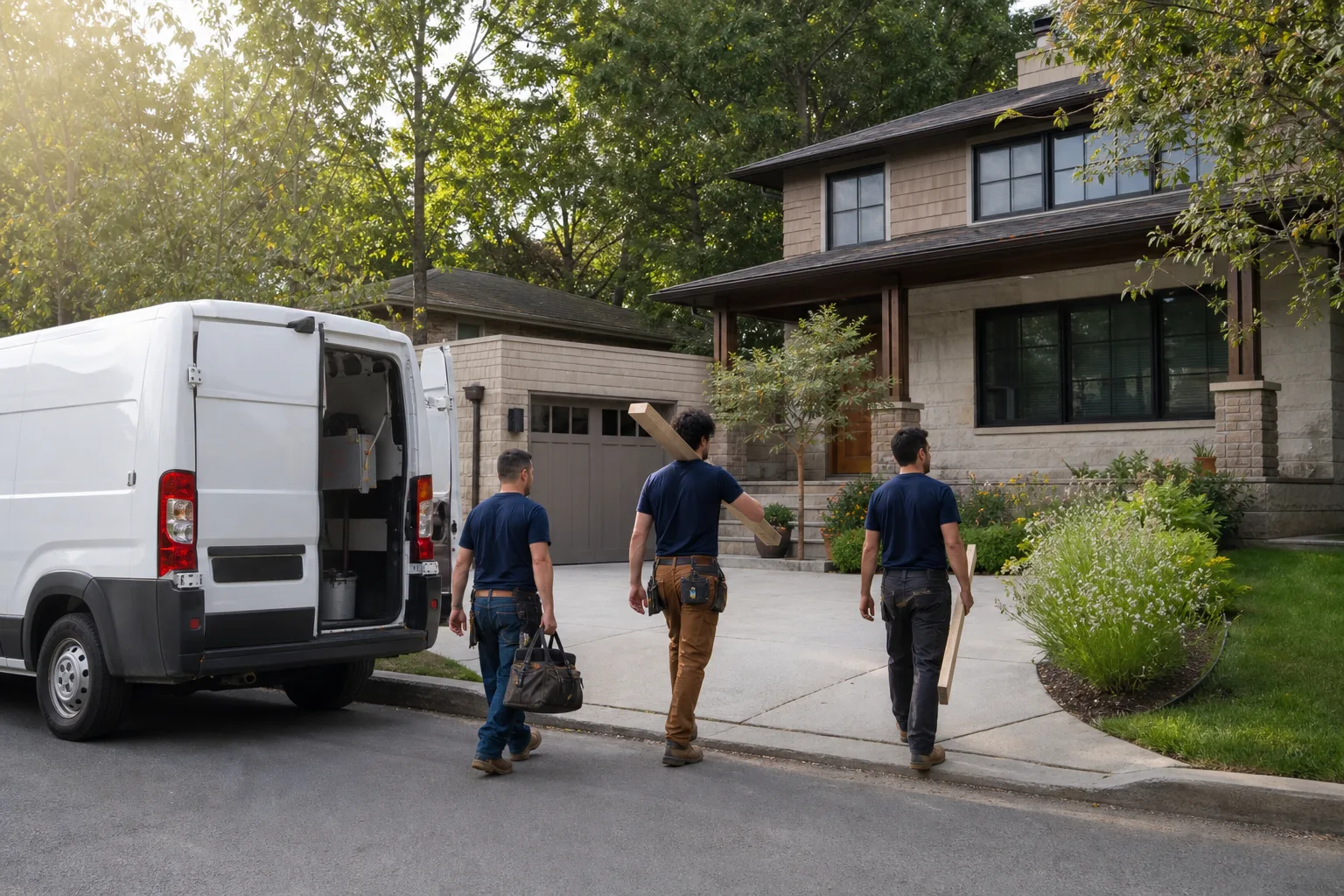
Winchester homeowners juggling work and kids don’t have time for four-hour windows and mystery arrival times. Under The Relay Visibility Guarantee every Sawyer project runs with a live arrival time, so you know who’s coming and when, and photo updates before and after each phase. That’s not a perk we added later. It’s how a schedule stays honest.
The Contract Language That Lets Contractors Bill for “Unforeseen” Work
The single phrase that causes the most financial pain in remodeling is “unforeseen conditions, billed at time and materials.” It sounds reasonable. Every house hides surprises behind the drywall. But without a defined process, “unforeseen” becomes whatever the contractor decides it is after demolition, and you’re paying for it before you can question the number.
A fair contract defines the process, not just the possibility. Look for these specifics:
- A written change order with your signature before any added work begins
- A stated hourly rate and material markup, disclosed upfront rather than after
- A defined scope of work, with what’s included spelled out room by room
- A contingency cap, so the “surprise” line can’t run the whole budget
- A signed-off payment schedule tied to completed milestones, not calendar dates
If a contract has a scope section that could describe any house, it wasn’t written for yours. That vagueness is convenient for the contractor and expensive for you. In older Winchester homes especially, framing and plumbing can branch in ways nobody expects; the mark of a good contract is that it says what happens when they do, in writing, before anyone swings a hammer.
How to Read Review History for Patterns, Not Stars
A 4.8-star average tells you almost nothing. What matters is the shape of the negative reviews and whether the contractor responds to them. Read the worst reviews first, not the best. If every bad review mentions the same thing – a surprise charge, no one showing up, ghosting after final payment – you’ve found a pattern, and one warm response doesn’t erase it.
Here’s how we’d read a Winchester contractor’s reviews if we were hiring them for our own home:
- Read the one- and two-star reviews and look for repeated themes, not one-off complaints.
- Check whether the contractor replied, and whether the reply engaged with the problem or dismissed it.
- Look for reviews that name a specific project phase – drywall, tiling, punch list – because those come from real customers.
- Notice whether the review mentions written pricing or surprise costs.
- Be suspicious of perfect clusters posted in the same short window, especially if the wording sounds similar.
The reviews that should make you pause aren’t the angry ones about a finish blemish. They’re the calm ones that say “everything was fine until the last invoice.”
What Good Communication Actually Looks Like
Good communication isn’t a personality trait. It’s a set of behaviors you can check. A contractor who communicates well tells you the plan in advance and updates it in writing when something changes. Vague “great communicator” claims don’t mean anything until you see it in action before signing.
Specific behaviors to expect:
- A written schedule with phases and dates you can hold them to
- An update before the change happens, not after
- A photo or two showing what’s been done, so you don’t have to check on them mid-day
- A live arrival time on days someone is scheduled to be in your home
- Background-checked, uniformed technicians, so you know exactly who’s coming in
- Their phone answered by a live person, not a voicemail loop
If you ask a contractor how they keep you informed during a project and the answer is vague, that’s your answer. The best remodelers describe their process the way a mechanic describes a repair: in steps, with names, and with the update loop explained. It’s the difference between hiring a company and hoping for one. You can see how this plays out in how we run our General Contractor services in Winchester – written price, live arrival time, photos at every phase.
Deposit and Payment Schedule Red Flags
A large deposit demand is one of the freshest red flags, and it’s often disguised. A contractor who asks for half or more of the total upfront has little incentive to finish. If the project stalls or the company disappears, your money went out the door with nothing built yet. Standard practice is a modest deposit for materials, then payments tied to completed milestones, with a final payment held back until the punch list is done.
Watch for a schedule that front-loads payments, cash-only requests, or a demand for payment before a phase is inspected. Those aren’t accounting preferences; they’re how homeowners end up paying for work they can’t see. A legitimate remodeler can show you a payment schedule in writing, tied to checkpoints you can verify with your own eyes, and they’ll put a final holdback in place so the finish work actually gets finished.
If a contractor pushes back on milestone payments or insists on cash, walk. The price was never the whole story. A written schedule tied to your sign-off protects you in a way no verbal promise can.
How to Verify a Contractor Before You Sign
Verification isn’t just a license lookup, though that’s step one. The full check is about how they operate, not just whether they’re legal to operate. Before you sign anything in Winchester, run through these steps:
- Check the contractor’s license and confirm it’s active, not expired or suspended.
- Ask who’s actually doing the work and whether they’ll be on site or subcontracted out.
- Ask where the permits come from and who pulls them – the answer should be “we do.”
- Request the written price and scope, and compare them to your expectations line by line.
- Read the contract for change-order language, deposit terms, and the end date.
- Ask how they handle warranty and what happens if a problem shows up after the job closes.
That last one separates the casual contractors from the ones who stand behind the work. We back every project with the 365-Day Done Right Promise: if it’s not done right, we make it right, in writing. If a contractor can’t explain their warranty in plain language, that’s a red flag on its own.
Common Mistakes to Avoid
- Choosing the lowest bid without checking the line items. The cheapest quote often has the most allowances left open. Look at what’s actually included before comparing numbers. A $2,000 difference disappears fast if the low bidder charges extra for demo or permits.
- Assuming a license check is enough. A license confirms the contractor is allowed to work, not that they run a project well. In our experience Winchester homeowners get burned far more by vague quotes than by unlicensed operators, which is why the paperwork matters more than the permit lookup.
- Accepting a start date with no end date. A contract that says when the work begins but not when it ends leaves you at the contractor’s mercy. Pin down phases and a completion window in writing.
- Skipping the written price because “it’ll cost about the same as my neighbor paid.” Your home’s framing, plumbing, and finishes aren’t your neighbor’s. Get the number in writing before anyone starts. The number on the invoice should match the number you approved.
- Ignoring the communication test. If it takes three calls to get a straight answer before the job starts, that’s the pattern for the entire project. A contractor who won’t give you a live arrival time now won’t give you one after you’ve paid.
- Reading star ratings instead of review patterns. A high average with a repeated theme in the bad reviews tells you more than the good ones do. Read the worst reviews first and look for the pattern.
- Paying the full balance before the punch list is finished. Hold back final payment until the walk-through is complete and every item passes. A contractor who needs it all up front isn’t planning to stick around for the finish work.
See the difference
 Before
 After
 Before
 After
 Before
 After
When to Call a Professional
If you’re looking at a quote with no line items, a contract with vague change-order language, or a start date that’s moved twice, it’s time to bring in a professional who runs projects differently. Some situations genuinely need a licensed general contractor to handle permits, framing, and trade coordination properly – especially in older Winchester homes where the structure can surprise you. A reputable contractor will give you a written scope and price before work starts, tell you who’s coming to your home and when, and back the job after it’s finished. If you’re already mid-project and the pieces aren’t adding up, a second opinion on the contract is worth the hour. Sawyer Remodeling Winchester offers free estimates in Winchester – call (888) 343-7097 and we’ll walk through the scope and price together.
Frequently Asked Questions
The biggest red flag is a quote with no line-item detail. A lump-sum number with no breakdown of labor, materials, allowances, and permits leaves every question about cost unanswered until the invoice arrives. Insist on a written price before any work begins, and read what’s actually included in it.
Yes, especially if the new dates come without explanation or a written schedule. A single delay can be normal, but repeated slippage with no reason you can verify points to poor schedule management that will follow you to the end of the job. Ask for a written schedule with phases and hold them to it.
A fair contract spells out the scope of work room by room, defines how changes get approved in writing, ties payments to completed milestones, and sets a completion window. If the change-order section says “unforeseen conditions billed at time and materials” with no process behind it, ask them to define the process before you sign.
A modest deposit to cover initial materials and scheduling is standard, with the rest paid as milestones are completed and inspected. A demand for half the project total upfront, or cash-only requests, are red flags. Ask for the payment schedule in writing and confirm a final holdback before the punch list is done.
Ask how they keep you updated during a project and listen for specifics: written schedule, live arrival time, photo updates, a phone answered by a live person. If the answer is “we’ll keep you in the loop” with no detail, that’s a signal. A good contractor describes the process in steps, not in vibes.
Usually yes, especially when plumbing or electrical work moves or changes. The contractor should pull the permits and schedule the inspections – it’s not something you should handle yourself. A contractor who suggests skipping permits to save time or money is a red flag worth taking seriously.
The Bottom Line

The obvious warning signs – no license, cash-only, no contract – are worth recognizing, but they’re not the ones that quietly cost homeowners the most. The subtle signs matter more: a quote without line items, a schedule that slides with no explanation, contract language that turns “unforeseen” into a blank check, and communication that only works before the job starts. Check the paperwork, read the reviews for patterns, and demand a written price and scope before anyone picks up a tool. When you’re ready to remodel in Winchester, Sawyer Remodeling Winchester puts it all in writing first. Call (888) 343-7097 for a free estimate.
Written by the team at Sawyer Remodeling Winchester.