Last updated November 18, 2026







Free written scope consultation - allowances, timeline, and change-order rules on paper before a single trade is scheduled
Bathroom Remodeling Warning Signs Every Homeowner Should Know
Soft drywall at the base of a bathroom wall isn’t a cosmetic problem. It’s water that’s been wicking into the framing, possibly for years, and it means your remodel scope just changed before demo even started. Bathrooms hide more damage per square foot than any other room in the house, because the water damage happens slowly, behind tile, under caulk, inside wall cavities nobody looks at. The warning signs are usually visible to you, the homeowner, long before anyone mentions them. This guide teaches you what to look for before you sign, during the open-wall phase, and at the final walkthrough, with Winchester-specific context throughout.
Quick Answer
The most reliable warning signs of a bathroom remodel gone wrong are soft or discolored drywall near the tub and floor, white chalky stains on grout and tile (efflorescence), uneven grout color, floor flex underfoot, and a musty smell that returns after cleaning. On the contractor side, the biggest red flags are skipping the waterproofing inspection before tile, rushing tile over uncured mortar, and caulking where a proper threshold or flashing should be. Any of these means you should stop and inspect before work continues.
Styles & brands we work with
- Kitchen remodeling
- Bathroom remodeling
- Home additions & ADU
- Roofing
- Windows & doors
- Driveway & pavers
- Fence
Table of Contents
- Warning Signs You Can Spot Before Construction Starts
- What Efflorescence and Grout Color Variation Actually Mean
- Floor Flex and Subfloor Problems
- Mid-Project Warning Signs During the Open-Wall Phase
- Contractor Behavior Red Flags Specific to Bathrooms
- The Final Walkthrough Checklist: Pass/Fail Criteria
- Why Winchester Bathrooms See These Problems More Often
Warning Signs You Can Spot Before Construction Starts
Most of what goes wrong in a bathroom remodel was already happening before anyone picked up a tool. Give yourself a slow, deliberate walkthrough of your bathroom before you call anyone for an estimate. You’re looking for water where water shouldn’t be, movement where the floor should be solid, and smells that come back no matter how much you clean.
Here’s what to check, in order:
- Press the drywall at the base of every wall near the tub, shower, and toilet. It should feel firm like drywall everywhere else in the house. If it gives slightly, or feels cool and soft, water is wicking up from the floor or through the wall.
- Look at the caulk line where the tub meets the floor and wall. Cracked, peeling, or dark-stained caulk that you’ve re-caulked more than twice is telling you water is getting behind it.
- Run the shower for five minutes, then stand on the floor around the drain and toilet flange. Any flex, bounce, or softness means the subfloor has absorbed water.
- Smell the room after it’s been closed up for a few hours. A musty smell that fades when the door is open but returns when it’s shut is a strong signal of mold or mildew in a wall cavity or under the floor.
- Look at the ceiling below the bathroom, if you have a room underneath. Water stains on that ceiling, even old ones, tell you the shower pan or tub drain has leaked at some point.
If you find any of these, know that your scope is probably larger than the visual estimate suggests. In our experience, roughly the same share of Winchester bathroom remodels hits hidden damage once the walls come open, and older homes in the central Winchester neighborhoods near the historic downtown area see it more often because the shower pans were often built with materials that don’t meet current waterproofing standards.
What Efflorescence and Grout Color Variation Actually Mean
Efflorescence is the white, chalky, powdery crust you sometimes see on grout, tile, or the base of a bathroom wall. It forms when water moves through masonry or cement and evaporates on the surface, leaving mineral salts behind. A little efflorescence on an exterior wall can be harmless. Efflorescence inside a bathroom, especially at the base of a shower wall or on the floor tile near the tub, is a sign that water is moving through the assembly and drying on the wrong side.
Grout color variation is the second piece of the same puzzle. Fresh grout that dries in uneven patches, some areas light and others dark, usually means moisture is trapped differently under the surface. It can also mean the grout was mixed inconsistently, but in a bathroom that’s older than a couple of years, moisture is the more likely cause. Darker grout lines near the shower floor and lighter grout near the doorway is a classic pattern: the wet side is staying wet.
What this means for your remodel scope:
- Efflorescence along a shower wall usually means the waterproofing behind the tile has failed. Replacement of the backer board and waterproofing membrane is almost always in scope once tile is removed.
- Efflorescence at the base of a wall points to water coming up from the slab or floor rather than down from a fixture. That sometimes means a plumbing leak underneath.
- Uneven grout color across the whole floor often means the original shower pan or tub surround was never properly waterproofed, and the tile is sitting on moisture.
None of these mean the whole bathroom has to be rebuilt. They do mean the written price you signed should have a contingency line for hidden damage, and that the conversation about what’s behind the tile should happen before demo starts, not after. If you’re also weighing a larger scope, our guide to Bathroom Remodeling in Winchester covers how we plan for hidden damage in the estimate stage.
Floor Flex and Subfloor Problems
Walk across your bathroom floor slowly, paying attention to your feet rather than your eyes. A floor that gives a little near the toilet or tub, or that “squeaks” in a spot that used to be silent, is telling you the subfloor or the joists underneath have taken on water. In most bathrooms, the subfloor is plywood or OSB over wood joists, and water from a slow leak or a repeated overflow will soften the edges of the sheets over months and years.
Here’s what floor flex usually means once the tile is up:
- Flex only near the toilet flange: usually a wax ring leak. The subfloor under the toilet is rotten and needs replacement. This is a small job if caught early.
- Flex along the tub or shower edge: water from the shower has been getting past the curb or the tile-to-floor transition. Subfloor replacement plus a proper waterproofing detail at the transition.
- Flex across a whole section of the floor: likely a wider leak from the shower pan or a plumbing line. Expect joist inspection and possibly sistering or replacement.
The structural question matters because tile is unforgiving. A floor that flexes underfoot will crack tile, pop grout, and pull caulk joints open within a year or two of install, no matter how good the tile setter is. If your subfloor needs work, it needs to happen before the new tile goes down, not after. We’re a General Contractor in Winchester that handles subfloor and framing repair as part of the bathroom scope so the tile has something solid to sit on.
Mid-Project Warning Signs During the Open-Wall Phase
Once demo starts and the walls are open, you have a short window to look at things that will be hidden forever after. Most homeowners don’t know what to look for. Here’s what matters.
- Look at the framing for dark staining or white fuzz. Dark staining on wood framing means long-term moisture exposure. White or grey fuzz on framing, especially near the shower, is mold. Both need to be treated and the source fixed before anything is closed up.
- Look at the waterproofing membrane before tile goes on. This is the single most important thing to verify in a bathroom remodel. The membrane should cover the entire shower surround and pan, with a bonded seam at every change in plane and a proper curb detail. Take a photo. If you can’t see the waterproofing, ask why.
- Watch for tile going on too soon. Mortar needs to cure before tile is set. A crew that’s setting tile on top of fresh mortar on the same day is trading your long-term durability for their schedule.
- Look at the plumbing rough-in connections. New supply lines and drain lines should be properly supported with strapping, not hanging loose in the wall cavity.
- Look at the insulation and vapor barrier. Exterior walls need insulation and a vapor barrier; interior walls around a shower benefit from moisture-resistant backer. If either is missing, ask before drywall goes up.
The Sawyer Remodeling Winchester home page describes how we run the open-wall phase, and it’s built around giving homeowners a chance to see what’s behind the wall before it’s closed. That’s a specific commitment, not a slogan: before-and-after photo updates at each phase, so you have a record of what was behind the tile.
Contractor Behavior Red Flags Specific to Bathrooms
Bathrooms are where cutting corners hides the longest. A sloppy paint job shows itself in a week. A skipped waterproofing step shows itself in a year or two, after the contractor has moved on to the next job. These behavioral red flags matter more in a bathroom than almost any other room.
- Skipping the waterproofing inspection. A legitimate bathroom remodel should pause for a waterproofing inspection before tile. If the crew never mentions it, or the schedule has tile going up the same day the membrane goes down, that’s a real problem.
- Rushing tile over uncured mortar. Mortar needs time to cure. Tile set immediately over wet mortar feels efficient but compromises the bond. Ask about the cure time in the schedule.
- Caulking where a threshold or flashing belongs. The shower curb and the transition from tile to drywall need a proper detail, not a heavy bead of caulk. Caulk is a finish, not waterproofing.
- No written price before work starts. A handshake and a verbal range is not a written price. Our Kitchen Remodeling in Winchester page describes the same standard we use in bathrooms: a written price before any tool is picked up.
- Disappearing between visits. A bathroom remodel has dozens of small decisions. A contractor who doesn’t respond between appointments will leave those decisions to the crew.
- No conversation about hidden damage contingency. Any honest contractor will tell you that bathrooms hide surprises. A contractor who promises “no surprises” on a bathroom remodel is either new or not being straight with you.
The default answer to most of these is a written scope, a written price, and a schedule with inspection points. Those three things protect you from nearly every behavior red flag on this list.
The Final Walkthrough Checklist: Pass/Fail Criteria
The final walkthrough is your one clean chance to catch problems before the project closes. Walk through with the checklist below and treat every item as pass or fail. Don’t grade on a curve, and don’t accept “it’ll settle in.”
Tile work:
- Run a straight edge or your phone across adjacent tiles. Any lipage (one tile higher than the next) more than a credit card thickness at the edge is a fail. Small tile lippage is normal; a visible ridge is not.
- Tap the tile with a coin or your knuckle. A hollow sound over more than a small area near a drain or corner means the tile isn’t fully bonded. Fail.
- Look at the grout lines. They should be consistent in width and color throughout. Dark or uneven patches mean either moisture or an inconsistent mix. Fail if it’s not corrected.
Caulk joints:
- Look at the caulk where the tub or shower pan meets the wall. It should be a clean, continuous bead with no gaps and no smears. Fail if it’s been smeared into the tile face.
- Check the inside corners of the shower. A caulk bead in a shower corner should be a proper joint, not a bead pushed over grout. Fail if you can see grout under the caulk.
Fixture installation:
- Turn on every faucet and showerhead. No drips, no runs, no wobble in the trim. Fail if anything drips after you turn it off.
- Flush the toilet and watch the fill valve. It should stop when the tank fills, with no continuous trickle. Fail if it runs.
- Check the drain stoppers. They should lift and drop smoothly and seat flush.
Water testing:
- Run the shower at full flow for five minutes with the drain plugged. Look for water pooling outside the shower pan at the curb, and check the ceiling below if there is one. Any water outside the pan is a fail.
- Run the tub full and drain it. Watch the drain connection under the tub, or the ceiling below. A drip is a fail.
- Check the floor around the toilet base after a flush. Any moisture is a fail.
Anything that fails on this walkthrough should be fixed before final payment. Our Bathroom Remodeling in Winchester page describes the 365-Day Done Right Promise, which exists because we expect to be responsible for the joints and connections we tested at the walkthrough, not just the ones that looked good on install day.
Why Winchester Bathrooms See These Problems More Often
Winchester sits in a dry climate, which sometimes makes homeowners less cautious about water than they should be. The dry air means leaks dry out fast on the surface, so the soft spot on the drywall can look and feel normal by the time you check. Meanwhile, the water is quietly rotting the framing and the subfloor underneath. This “dry on top, wet underneath” cycle is common in Winchester, and it’s why we treat every dark caulk line as worth investigating rather than assuming the climate is on your side.
The local housing stock matters too. Winchester has a mix of older homes in central neighborhoods and newer construction on the edges of town, and the older homes often have bathroom plumbing that’s still on original galvanized supply lines or early copper with pinhole leaks. In our experience working in Winchester, bathrooms built before 1990 are the ones most likely to have hidden damage. A remodel in one of those homes should include a plumbing inspection as part of scope, and the written estimate should say so.
Finally, bathroom permits in Winchester move faster than most homeowners expect, but inspections don’t happen automatically. The waterproofing inspection has to be requested, and someone has to be on site when it happens. If a contractor handles permitting and inspections, that schedule should be in the written plan. If they don’t, you need to know that before you sign.
Common Mistakes to Avoid
- Caulking over a warning sign instead of investigating it. A fresh bead of caulk hides dark staining for a few months and lets water keep wicking into the wall behind it. If you’re re-caulking the same joint every year, the caulk isn’t the problem.
- Assuming efflorescence is cosmetic. In a bathroom, chalky white stains are a sign of water movement, not a cleaning issue. Vinegar will remove the appearance; it won’t fix the cause.
- Letting tile go down before you’ve seen the waterproofing. Once tile is on, the waterproofing is invisible for the next twenty years. Ask for a photo of the membrane before tile goes on, every time.
- Accepting a verbal price. Bathroom remodels change scope once walls open; a verbal price has no line for hidden damage and no protection for you. A written price with a contingency line does.
- Skipping the ceiling below during the final water test. A shower pan leak often shows up first as a slow stain on the ceiling of the room below. Run the shower and have someone watch that ceiling.
- Treating floor flex as a flooring issue. Flex means the subfloor is compromised. New tile over a soft subfloor will fail within two years, regardless of how good the tile is.
- Signing off before the water test. The final walkthrough is the one chance to run water through the new shutoffs, drains, and shower before you make the last payment. Take it.
See the difference
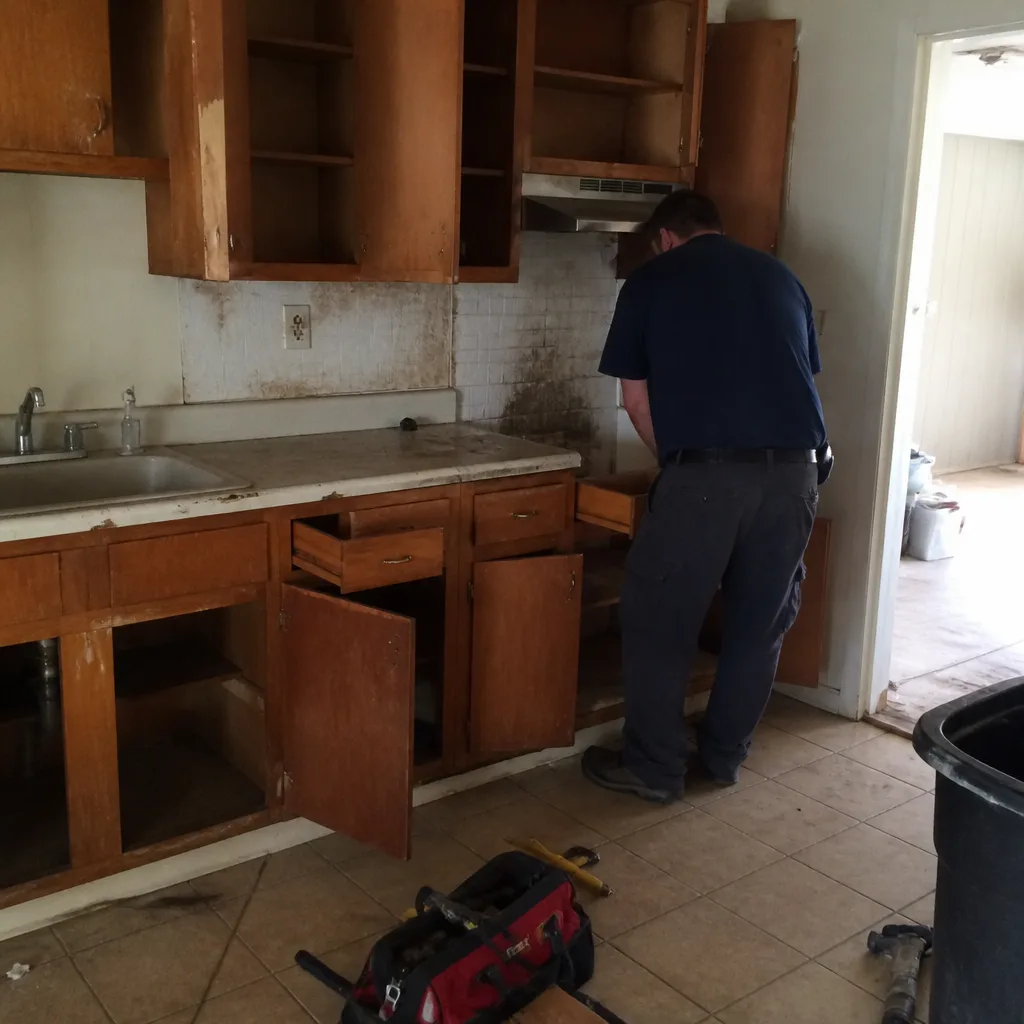 Before
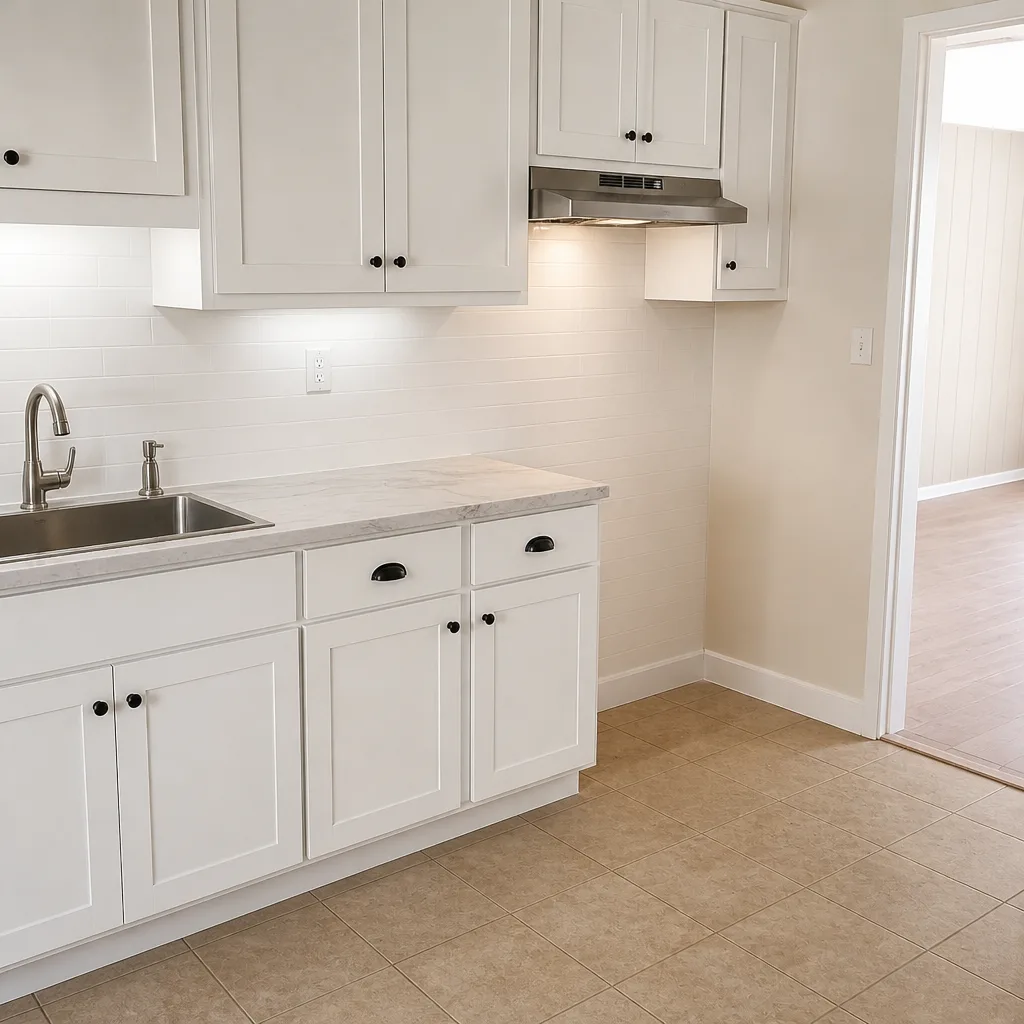 After
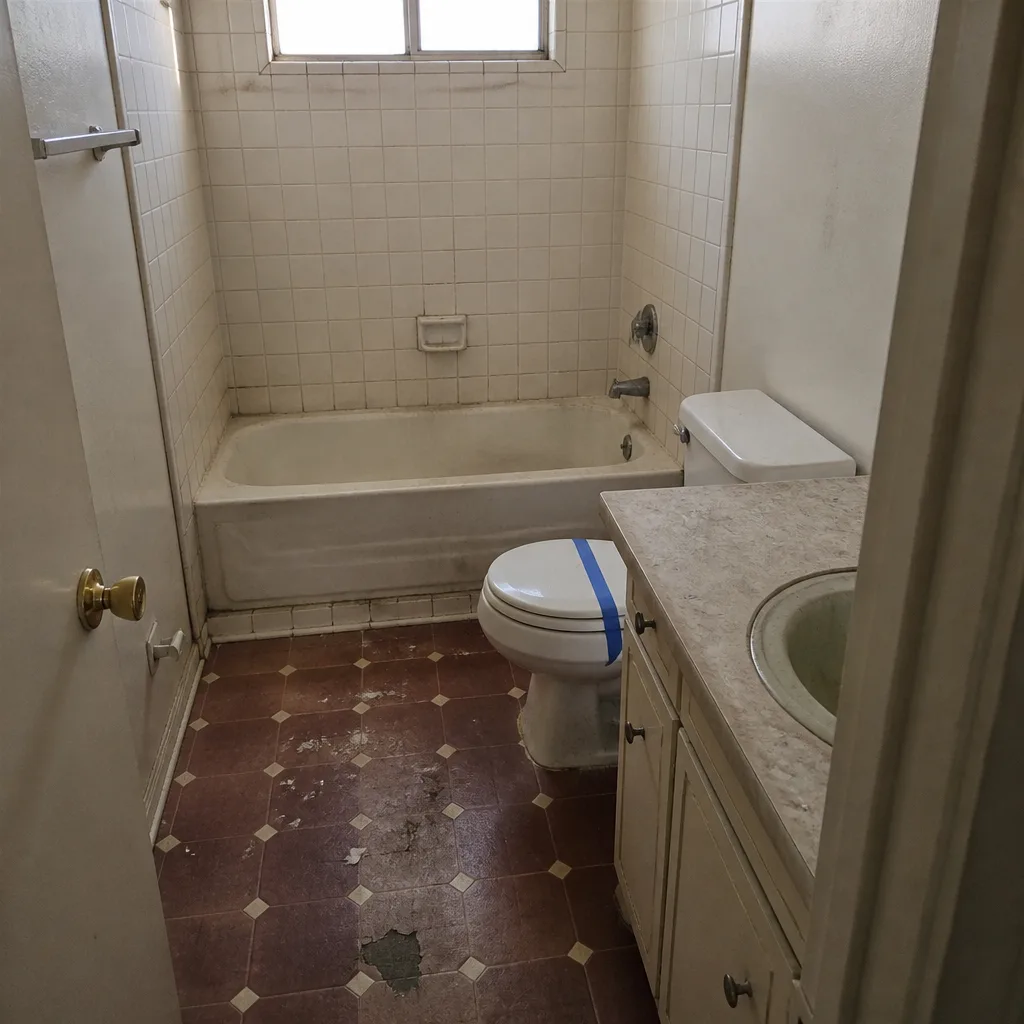 Before
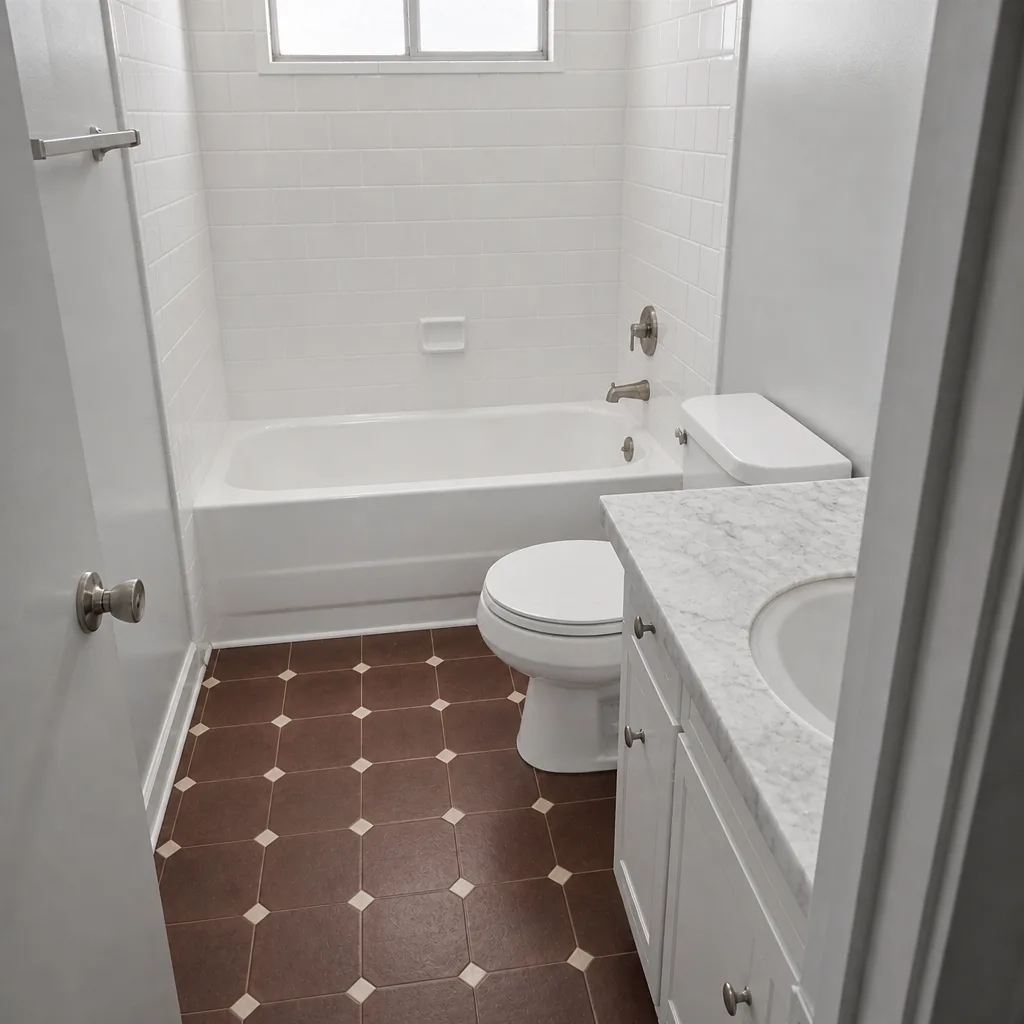 After
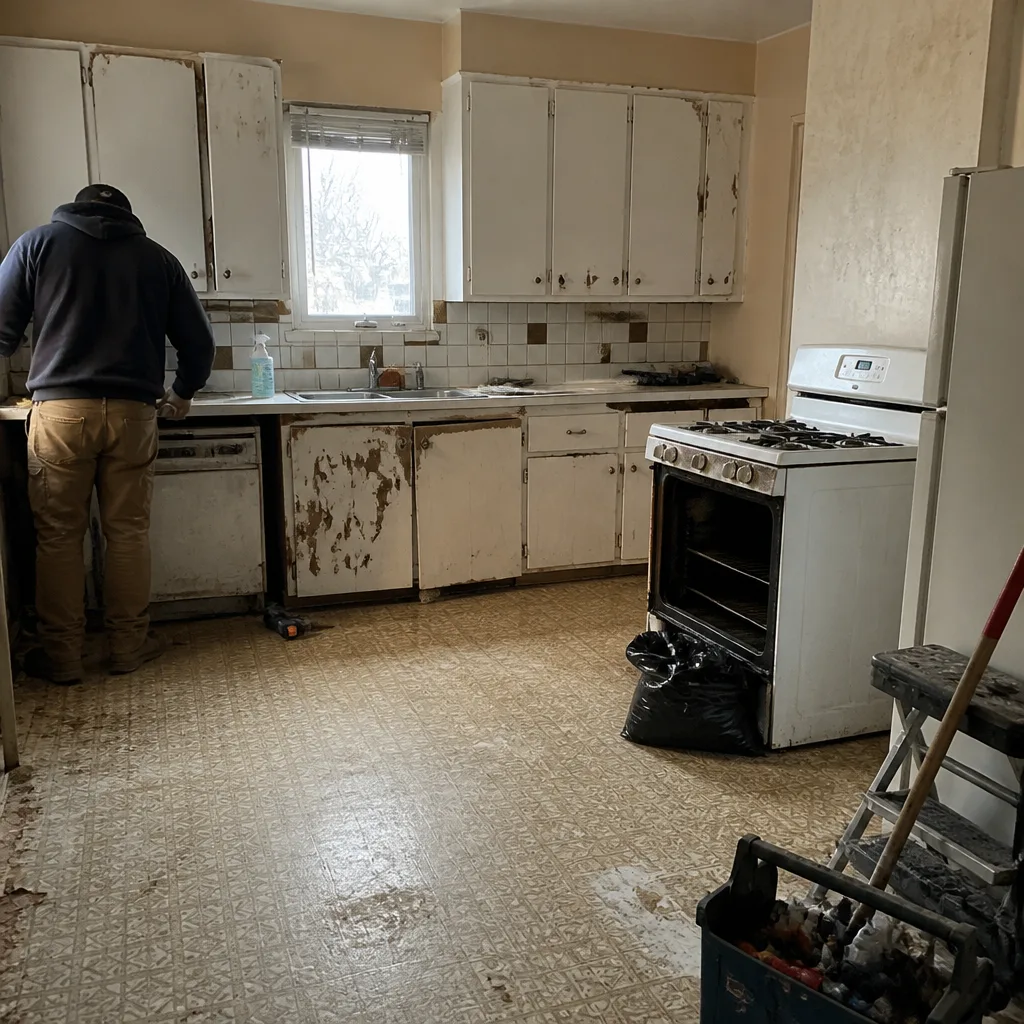 Before
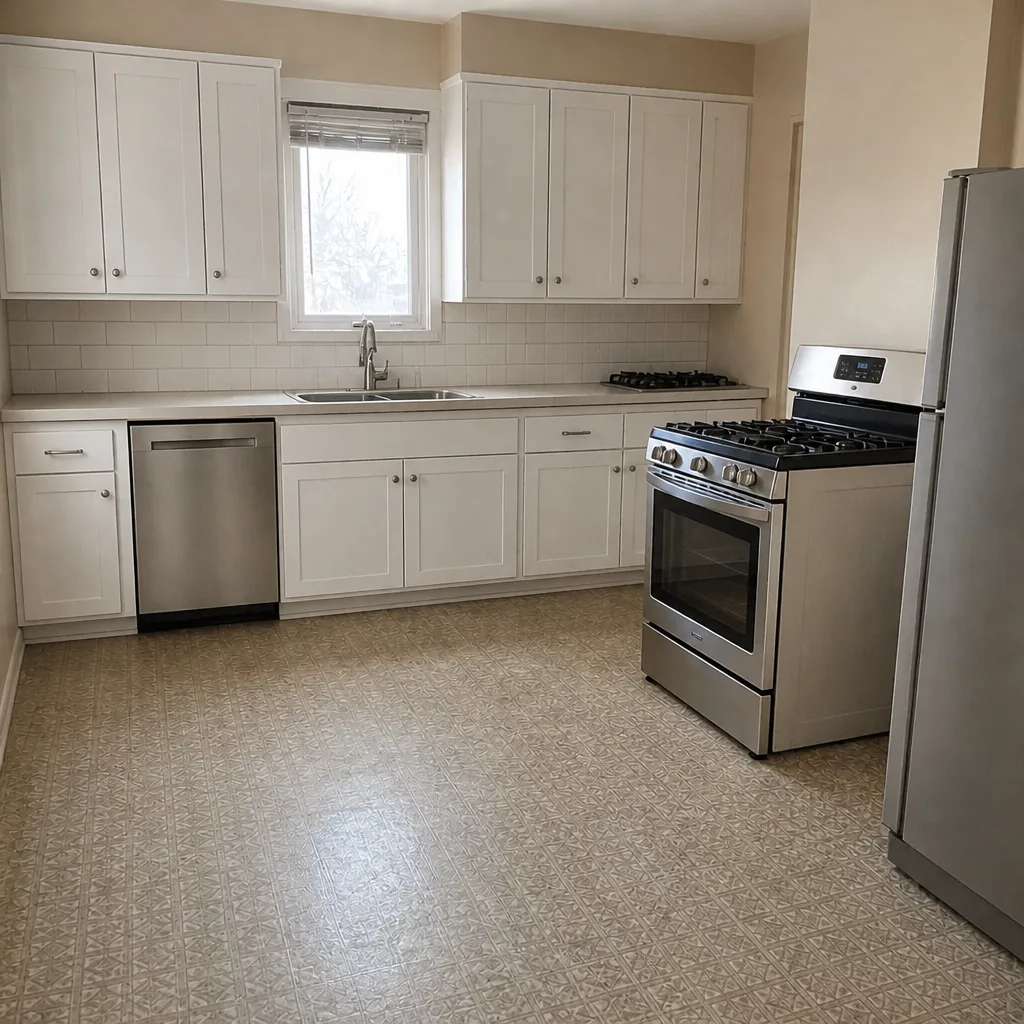 After
When to Call a Professional
Call a professional if any of the following is true: the drywall at the base of a bathroom wall feels soft; the floor flexes near the toilet or shower; you smell mustiness that returns after cleaning; you see white chalky stains on grout or tile inside the bathroom; the ceiling below the bathroom has a stain you can’t explain; or a previous remodel is less than five years old and already showing tile cracks, popped grout, or water getting past a caulk line. All of these point to damage that’s likely to grow, and the cost of finding out sooner is almost always smaller than the cost of waiting.
Sawyer Remodeling Winchester offers free estimates in Winchester – call (888) 343-7097. A free estimate includes a walkthrough of the warning signs above and a written price range for what we’d expect the scope to be, with a contingency line for hidden damage before any work starts.
Frequently Asked Questions
Hidden water damage in a Winchester bathroom typically adds $1,200 to $4,500 to the project, depending on how far the damage spread. Subfloor replacement around a toilet runs at the low end; framing repair behind a failed shower pan with mold treatment runs at the high end. Call (888) 343-7097 for an exact quote – estimates are free and include a written contingency line.
The price you approve is the price you pay for the scope you approved. Hidden damage is the one thing nobody can price before walls open, which is why we build a written contingency line into the estimate before work starts. If hidden damage is found, you see the line-item cost and you approve it before anything is added. Call (888) 343-7097 to schedule your free estimate.
Yes. Permitted bathroom work in Winchester includes plumbing, electrical, and the waterproofing inspection, and we schedule those inspections as part of the project plan. The permit and inspection schedule should be in your written plan before demo starts, not a surprise mid-project. Call (888) 343-7097 to walk through your project scope.
A standard full bathroom remodel in Winchester typically takes three to five weeks, with a half-bath running one to two weeks. Projects that turn up hidden water damage add time for the repair, and wet winters can slow exterior work if the bathroom has an exterior wall. Call (888) 343-7097 and we’ll give you a written schedule with your estimate.
A shower pan leak usually shows up on the ceiling below as a faint brown ring that grows slowly, or as bubbling paint in a circle roughly the size of the shower drain area. It’s often the first visible sign of a leak that’s been happening for months. Run the shower for five minutes and watch the ceiling – call (888) 343-7097 if you see moisture or a new stain.
On a fresh install, no – grout should dry to a consistent color. On an older bathroom, uneven grout color usually means moisture is trapped differently under different parts of the tile, most often near the shower or tub. It’s worth having checked before a remodel. Call (888) 343-7097 for a free estimate that includes an inspection of the tile and waterproofing.
The Bottom Line
Bathroom damage happens slowly and hides well, which is why the warning signs matter more than the leak itself. Soft drywall, efflorescence, uneven grout color, floor flex, and a musty smell that keeps coming back are all telling you the same thing: water is somewhere it shouldn’t be, and your remodel scope probably needs to include fixing the cause. On the contractor side, the three red flags to watch are skipped waterproofing inspections, tile set on uncured mortar, and caulk used where a proper threshold or flashing belongs. A written price, a written schedule with inspection points, and a checklist at the final walkthrough are what keep a bathroom remodel on track. If you see any of these signs, get a professional opinion before the next phase starts.
Sawyer Remodeling Winchester offers free estimates in Winchester – call (888) 343-7097. Every estimate comes with a written price before work starts, an inspection schedule, and the 365-Day Done Right Promise: if it’s not done right, we make it right.
Written by the team at Sawyer Remodeling Winchester.