Last updated November 18, 2026





Free written scope consultation - allowances, timeline, and change-order rules on paper before a single trade is scheduled
The Complete General Contractor Guide for Winchester Homeowners
Most general contractor horror stories don’t start with bad work. They start with a handshake, a verbal “ballpark” number, and no paper trail. In a smaller market like Winchester, that habit is even more common: fewer contractors means less pressure to compete on written terms, and homeowners who don’t know what to ask for end up paying for the lesson. Nevada’s contractor licensing system has a real verification path, but almost nobody uses it. This guide walks through how to check a Winchester contractor’s credentials in two minutes, why Clark County’s supply chain has its own rhythm, the exact clauses your contract needs, and how a written price stops scope creep before it starts.
Quick Answer
Hiring a general contractor in Winchester, NV means verifying an active Nevada State Contractors Board license, getting a written scope and fixed price before any work starts, and structuring payments to match completed milestones, never a large deposit up front. Because Winchester sits inside the Las Vegas Valley supply chain, material lead times and subcontractor availability run on Clark County’s schedule, not a national one, so realistic start dates matter as much as the price.
Styles & brands we work with
- Kitchen remodeling
- Bathroom remodeling
- Home additions & ADU
- Roofing
- Windows & doors
- Driveway & pavers
- Fence
Table of Contents
- How does Nevada contractor licensing work, and how do I verify a Winchester GC in under two minutes?
- Why does Winchester’s location affect material lead times and subcontractor availability?
- What clauses must every Winchester home improvement contract include?
- How should I structure a payment schedule that protects me if the project stalls?
- What does scope creep actually look like, and how does a written price prevent it?
- Do I need permits in Winchester, and who pulls them?
- How do I choose between a general contractor and specialty trades?
How does Nevada contractor licensing work, and how can I verify a Winchester GC in under two minutes?
Every legitimate general contractor working in Winchester holds a license through the Nevada State Contractors Board (NSCB), and that license is public record. Verification takes about two minutes and it’s the single most important step before you sign anything.
- Go to the Nevada State Contractors Board license search (nscb.nv.gov).
- Enter the contractor’s business name or license number.
- Confirm the license status reads “Active,” not “Expired,” “Suspended,” or “Revoked.”
- Check the classification: a Class B license covers general building; specialty licenses cover narrower trades.
- Read the complaint history and any disciplinary actions listed.
A few things trip people up. Nevada licenses are tied to a qualifier, the individual who passed the exam and carries the license, and the NSCB record lists that person’s name. If a contractor can’t tell you who their qualifier is, or the qualifier’s name doesn’t appear on the state record, stop. Second, a license number printed on a business card means nothing on its own. Pull the record. Third, general liability insurance and workers’ comp are separate from licensing, and you can ask for a certificate of insurance directly from the contractor’s carrier. In our experience working across the Las Vegas Valley, the contractors who volunteer their license number and insurance certificate without being asked are the same ones who put the price in writing.
Winchester homeowners should also know that the NSCB takes complaints seriously and publishes them. A single unresolved complaint is a conversation worth having; a pattern is a reason to walk.
Why does Winchester’s location affect material lead times and subcontractor availability?
Winchester sits directly adjacent to the Las Vegas Strip corridor, and that proximity cuts both ways. On one hand, nearly every major building material distributor in Southern Nevada has a warehouse within a reasonable drive, so standard stock items like drywall, lumber, and basic plumbing fixtures are close at hand. On the other hand, the Strip’s constant stream of casino renovations, resort remodels, and large commercial projects pulls subcontractor crews and premium materials away from residential work in predictable waves.
What that means for a Winchester kitchen or bathroom project:
- Specialty trade availability tightens around major Strip projects. When a resort renovation is ramping up, electricians and tile setters get booked out further. A honest contractor will tell you this up front rather than promising a start date they can’t hit.
- Imported and premium finishes carry longer lead times. Brand-name cabinetry and stone slabs often ship on regional or national schedules, and the Las Vegas market’s volume can push those orders behind commercial accounts.
- Windows and doors are their own category. Custom orders from manufacturers like Therma-Tru or ECO Window Systems typically run weeks out, so a realistic timeline builds that lead time into the schedule, not the promise.
- Summer heat affects scheduling. Exterior work during Winchester’s June through September stretch often starts earlier in the morning to beat the peak, which shifts crew availability.
When a contractor quotes you a start date, ask directly: “Are the materials ordered, and are the subs locked in?” A verbal yes is not the same as a written schedule. That’s the kind of detail that lives in a written scope, not a handshake.
What clauses must every Winchester home improvement contract include?
Nevada law protects homeowners more than most people realize, but only if the contract spells things out. Here are the clauses we tell every Winchester homeowner to require before signing.
- A written, itemized scope. Every material, fixture, and labor line, not “bathroom remodel” as a single bullet. If a line item isn’t in the scope, it isn’t in the price.
- A fixed price or a written change-order process. Either the price is fixed, or any change requires a signed change order with a new number before work proceeds. No verbal additions.
- The license number. Written into the contract, matching the NSCB record you verified.
- Insurance certificates for the GC and every subcontractor. General liability and workers’ comp, attached or referenced.
- Who pulls the permits. In Clark County, most residential work requires a permit, and the named party on the permit should be the contractor, not you.
- A start date and completion estimate in writing. Not a promise of “two weeks,” but a documented date range with the material lead times already accounted for.
- A warranty clause. What’s covered, for how long, and how you file a claim. Ours is the 365-Day Done Right Promise: if it’s not done right, we make it right, in writing.
- A dispute resolution path. The NSCB complaint process should be named, or arbitration if both sides agree.
We’ve seen too many Winchester contracts that list a total price and a payment schedule and nothing else. That’s not a contract worth the paper. A written price before work starts is not a premium feature, it’s the baseline. When you’re comparing bids, one that arrives as a line-item document is worth more than one that arrives as a text message with a number.
How should I structure a payment schedule that protects me if the project stalls?
The single biggest lever you have as a homeowner is how the money moves. A payment schedule that mirrors completed work keeps the incentive aligned. A schedule that front-loads cash leaves you exposed if the project stalls.
The structure we recommend for Winchester projects:
- Deposit: small and tied to a specific action. A modest deposit that covers material ordering is reasonable. A 50% deposit before any material is ordered is a red flag.
- Milestone payments tied to inspections or completed phases. After demo, after rough-in inspection passes, after tile is set, after final walkthrough. Each payment follows visible, verifiable progress.
- Final payment at substantial completion. Not “when we’re done with the punch list” and not “when we get around to the last visit.” When the work in the scope is done, the final draw is released.
- No payment before a signed change order. If a change adds cost, the new number is agreed in writing before any additional payment moves.
- Written receipt for every payment. Digital invoices you can pay from a link and save, not a cash handoff with a verbal thank-you.
Ask a prospective Winchester contractor to show you their standard payment schedule before you sign. If they can’t produce one in writing, or if it front-loads 40% or 50% before any work, you’re the one financing their project. Nevada’s contract requirements combined with a schedule that tracks progress is how you keep leverage throughout the job.
What does scope creep actually look like, and how does a written price prevent it?
Scope creep is not a dramatic thing. It’s small, casual, and it happens at the worst time, usually right after demo when a wall comes down and someone says, “While you’re in there, can we just…” Every “just” adds money that doesn’t show up until the invoice.
In our experience, scope creep in Winchester projects usually appears as:
- “While you’re in there, can we change the tile?” Adds material cost, labor, and schedule days.
- “Can we add an outlet here?” Requires an electrician, a permit amendment, and inspection.
- “The vanity came in the wrong size, can we swap it?” That’s a restock fee, a delay, and a reinstall charge unless the scope was specific about the exact model.
- “The faucet isn’t the one we wanted, can we upgrade to the Kohler?” Only if the written scope names the exact model and the change order price is agreed first.
- “Can you repaint the whole room while you’re at it?” A simple request that adds days and dollars.
The written price prevents this in a specific way: it makes the baseline visible. When the scope names the exact tile, the exact fixture model, and the exact square footage, any change has a clear starting point to measure from. Without a written scope, “same price” turns into a negotiation, and you’re not in a strong position after the tile is set.
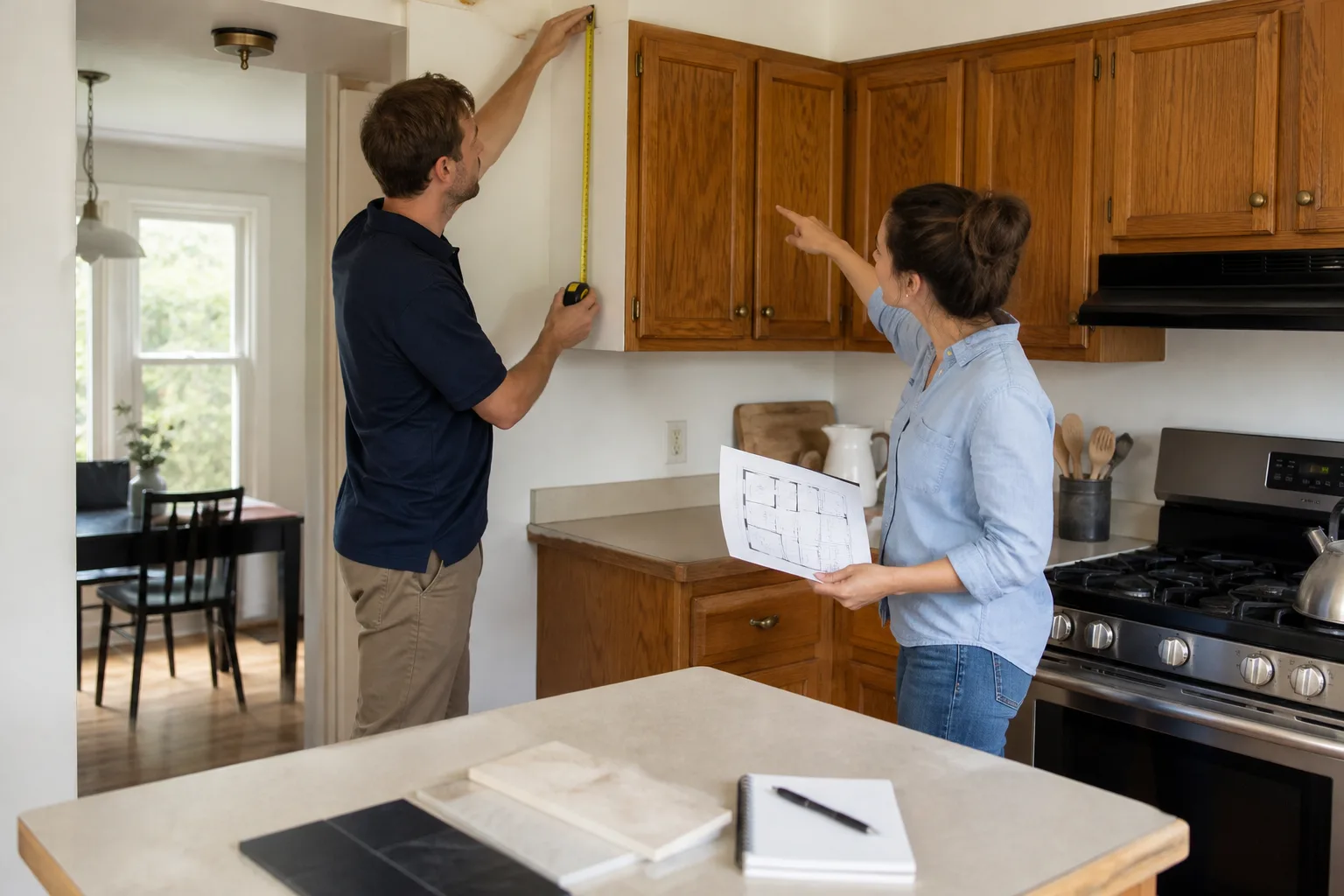
Before work starts, ask for the scope in a document you can hold. Then require that any addition be priced in writing before it’s done. That’s not a hostile move; it’s how professional projects run. If you’re remodeling a kitchen in Winchester, the exact cabinet line should be on the page, whether it’s KraftMaid, Wellborn, or another brand, and the number attached to it should be fixed.
Do I need permits in Winchester, and who pulls them?
Winchester sits within Clark County, and most residential remodel work (structural changes, electrical, plumbing, and mechanical work, additions, and many bathroom and kitchen remodels) requires a permit through Clark County’s building department. Permits are not optional paperwork. They force an inspection, and inspection catches work that would otherwise be hidden behind drywall.
Who pulls the permit matters. The permit should be pulled in the contractor’s name as the licensed party, not in yours. If a contractor asks you to pull the permit as the homeowner, that’s a signal they either can’t or won’t put their license on the job. Ask for the permit number once it’s issued and confirm the inspections happen. A contractor who says “we don’t need a permit for this” on structural or electrical work is telling you they cut corners elsewhere too.
This is one place where a general contractor’s value shows up clearly. A GC coordinates the trades, schedules the inspections, and holds the permit in their name. That’s part of what you’re paying for, and it should be built into the written scope, not treated as an optional add-on.
How do I choose between a general contractor and specialty trades?
For a single-task job, a licensed specialty contractor is often the right call. New windows from a Therma-Tru or ECO Window Systems dealer, a glass shower enclosure from a company like Mr-Glass, or a single fixture swap doesn’t need a GC orchestrating the project. For anything that touches multiple trades (kitchen, bathroom, whole-home), a general contractor is the better structure, because one party owns the schedule, the permits, and the sub coordination.
When you’re interviewing Winchester GCs, ask these questions and note who answers in plain sentences versus who hedges:
- What’s your NSCB license number, and who’s your qualifier?
- Can you send me a written line-item scope and price for this project?
- Who pulls the permit, and what inspections are involved?
- What does your payment schedule look like?
- What’s your warranty, in writing?
- How do you handle a change order?
The contractors who answer these without flinching are the ones worth a second conversation. The ones who get defensive or vague are telling you what the project will feel like.
If you want a broader look at how a full-service contractor structures work, our guide to the general contractor in Winchester covers the whole project scope, and our bathroom remodeling in Winchester page walks through a full bath project line by line, including the Schluter edge trim (the metal strip that waterproofs where your tile meets the floor) that separates a shower that lasts from one that leaks in year three.
Common Mistakes to Avoid
- Accepting a verbal estimate as a commitment. A number over the phone isn’t a price; it’s a rough guess. In Winchester, where the contractor pool is smaller, some homeowners treat the verbal number as a favor. Get it in writing or walk.
- Skipping the NSCB license search. Two minutes online tells you whether the license is active, who the qualifier is, and whether there are open complaints. Almost nobody checks. That’s a costly habit.
- Front-loading the deposit. A 50% deposit before material is ordered puts you in a weak spot if the project stalls. Milestone payments tied to real progress are the standard you should expect.
- Letting a “while you’re in there” addition go unpriced. If it’s not on a signed change order with a number, it will appear on the invoice. Either agree to the price first or skip it.
- Hiring a contractor who balks at pulling permits. Clark County permits exist to catch hidden work. A contractor who suggests skipping the permit is telling you exactly how they operate.
- Not asking about material lead times. In the Vegas Valley supply chain, a custom cabinet order can add weeks. A realistic schedule accounts for it; a verbal promise doesn’t.
- Paying cash with no receipt or digital invoice. Every payment should leave a trail. Digital invoices you pay from a link also give you a record if you ever need to file a complaint.
See the difference
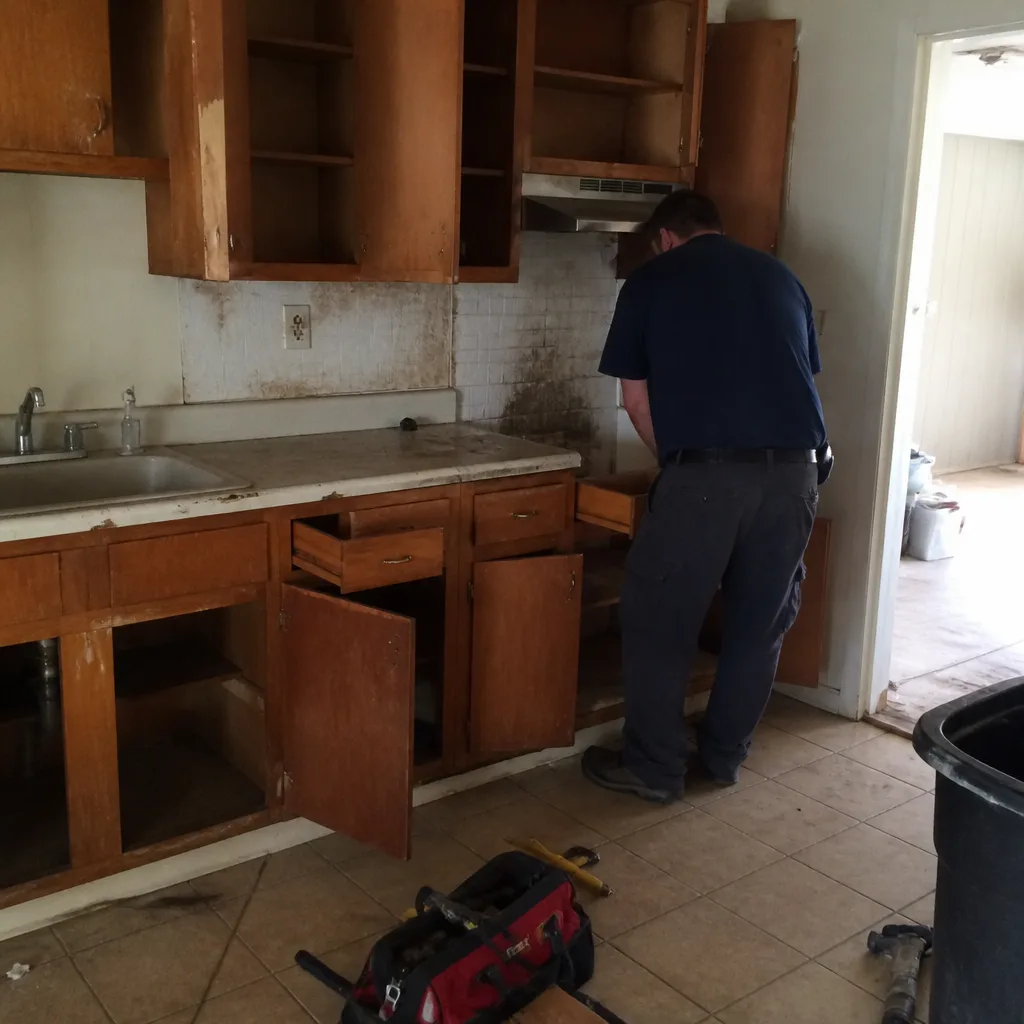 Before
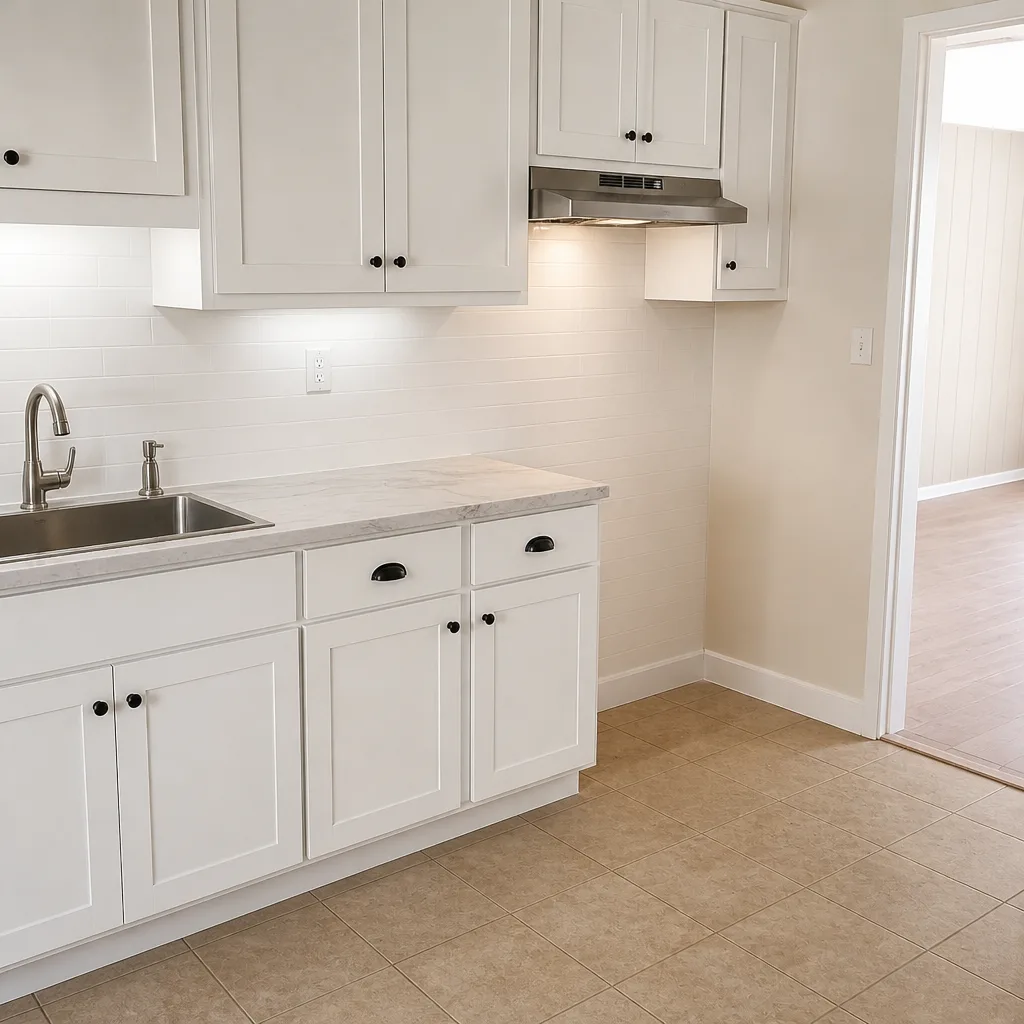 After
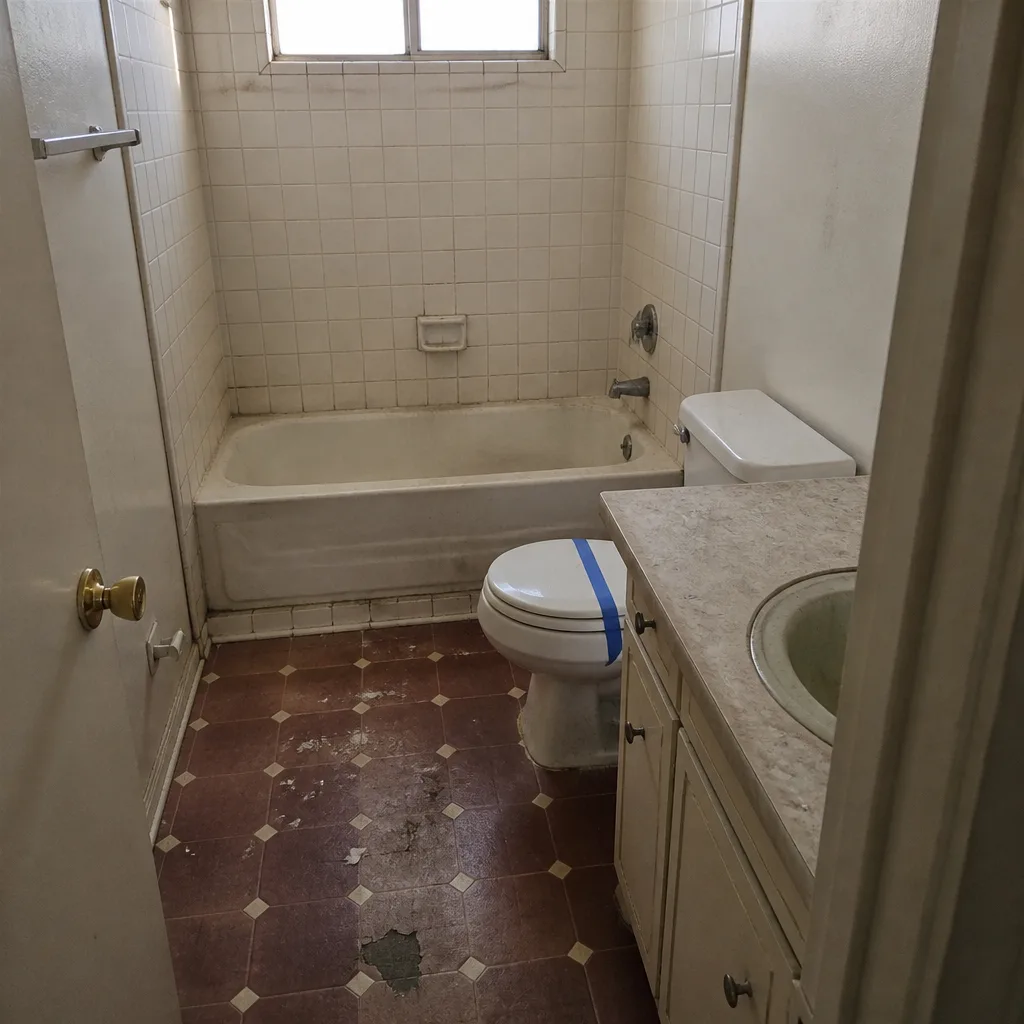 Before
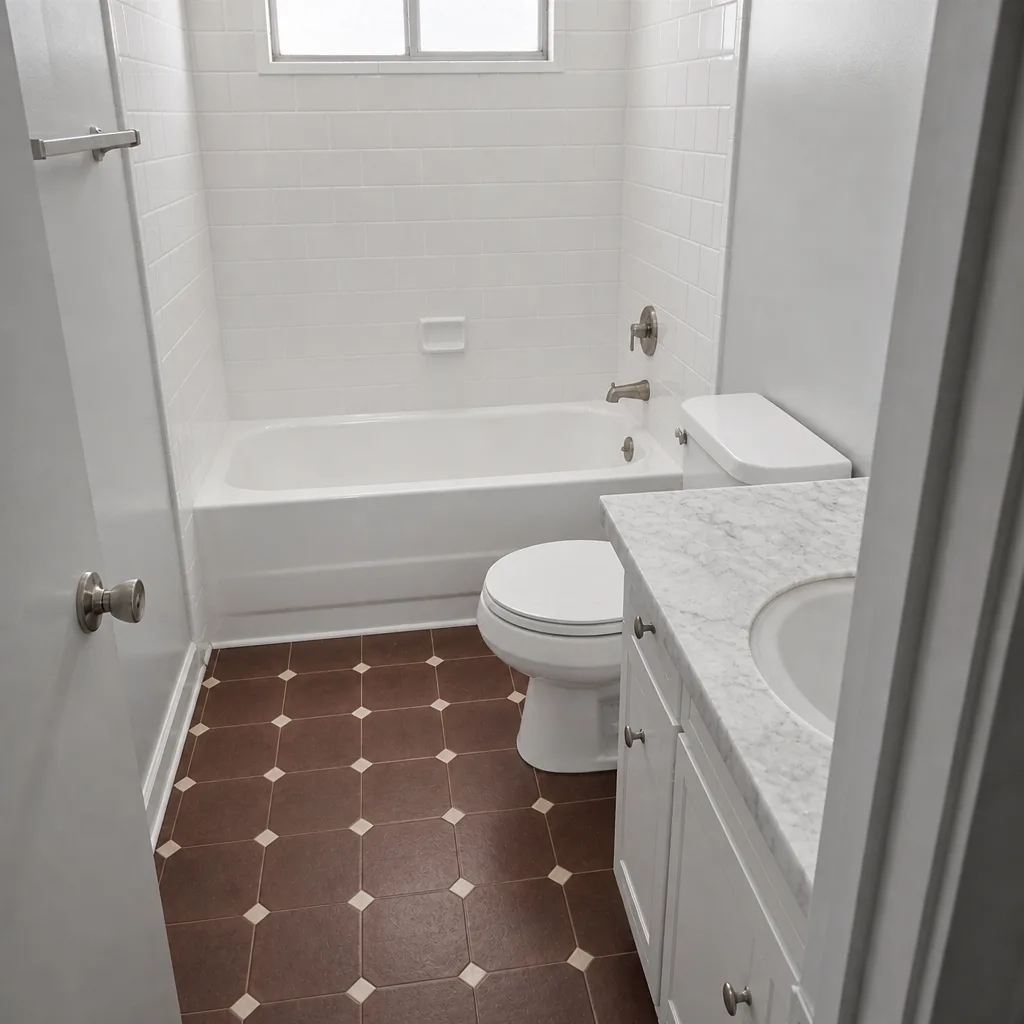 After
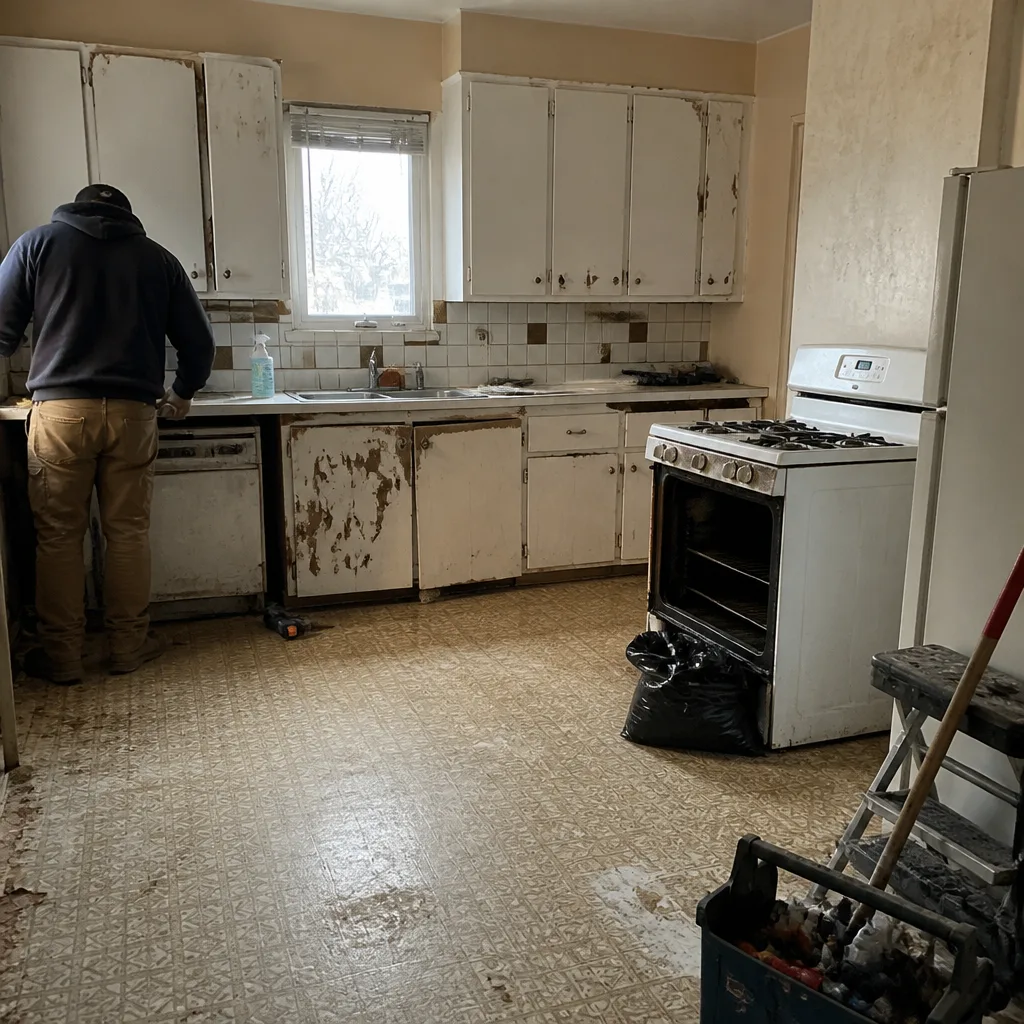 Before
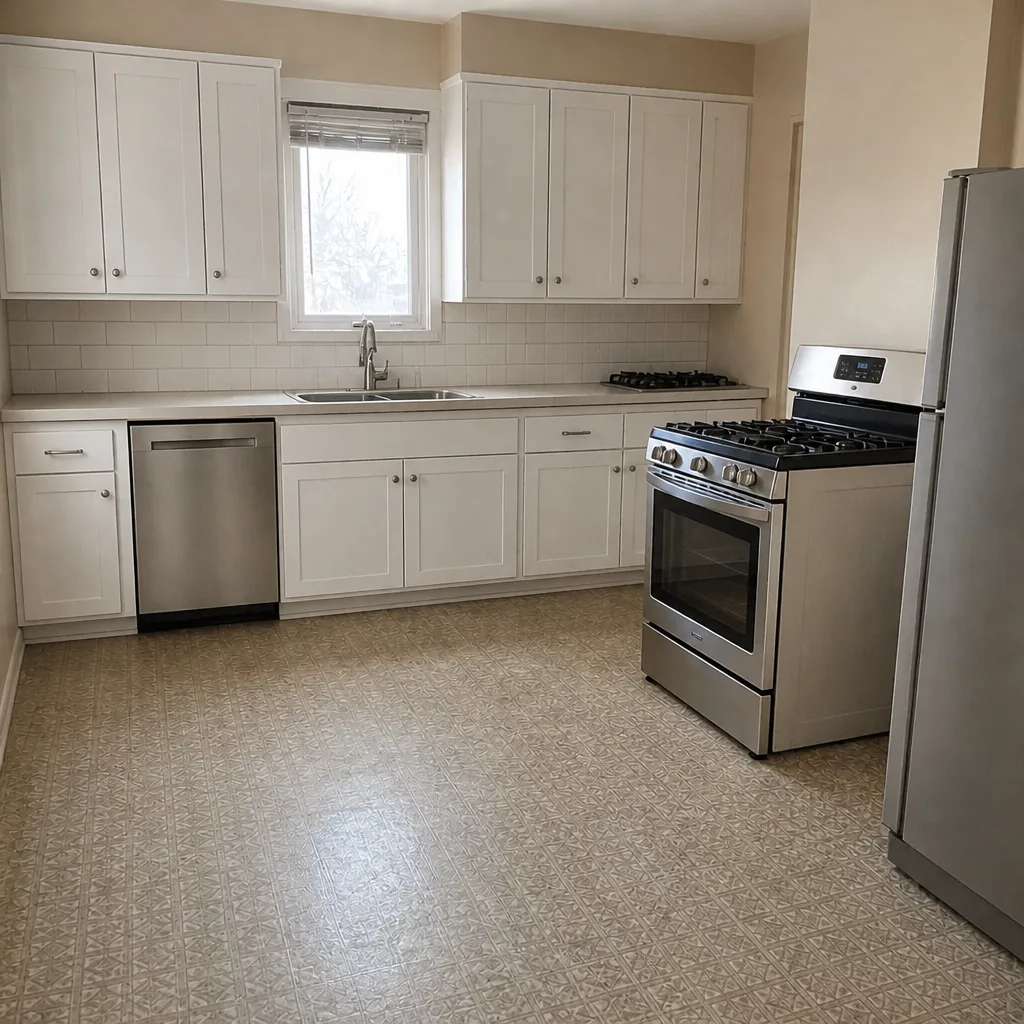 After
When to Call a Professional
Call a licensed professional when the work involves structural changes, electrical or plumbing rough-in, gas lines, roofing at height, or anything that requires a permit. These are the areas where a mistake causes real damage or real injury, and where DIY shortcuts get caught at inspection or, worse, don’t. Also call when a project involves multiple trades and a single-tier schedule, because coordinating an electrician, a plumber, and a tile setter yourself is a full-time job. If a repair is a small cosmetic patch or a single fixture swap, a specialty trade may be enough. For everything else in Winchester, getting a written scope and a fixed price from a licensed contractor is the move that keeps the project on the tracks. Sawyer Remodeling Winchester offers free estimates in Winchester, with a written price before any work starts; call (888) 343-7097.
Frequently Asked Questions

Most Winchester general contractors price a residential remodel either as a fixed project bid or as labor plus a markup on materials, and the two structures make direct comparison tricky, so you need a written itemized scope to compare fairly. A bathroom remodel typically runs in the range of a five-figure project once materials and labor are combined, while whole-home renovation scales well beyond that depending on scope. Call (888) 343-7097 for an exact quote based on your project; estimates are free.
Yes, in most cases. Bathroom remodels that move plumbing, add electrical, or change the layout require a permit through Clark County, and the contractor should pull it in their name. Cosmetic-only work like repainting or swapping a faucet usually doesn’t need one, but anything that touches the plumbing or electrical rough-in does. When in doubt, ask the building department directly, and be suspicious of any contractor who tells you to skip it.
A typical Winchester kitchen remodel takes several weeks of active construction, and the total calendar time is usually longer because custom cabinet and stone countertop orders ship on regional schedules affected by Las Vegas-area commercial volume. The realistic way to plan is to get the lead times in writing from your contractor along with the construction schedule, so you know what’s driving the timeline. Ask for the start date and the material order dates together, not just the total.
No, if the scope is written before work begins and any change requires a signed change order with a new price. The number on the invoice should be the number you approved. Hidden costs typically enter through verbal additions, vague material allowances, or “we found something” surprises. A written line-item scope closes all three doors.
Search the contractor’s business name or license number on the Nevada State Contractors Board site (nscb.nv.gov) and confirm the status is “Active,” the classification matches the work, and the qualifier is a real, named individual. The search takes about two minutes and includes complaint history. Also ask for a certificate of insurance from their carrier, because licensing and insurance are separate checks.
A written workmanship warranty that names what’s covered and for how long is the standard to require, and it should be part of the contract, not a verbal promise. Our 365-Day Done Right Promise covers a full year after the project closes: if it’s not done right, we make it right. If the repair fails, we come back at no cost. Ask any Winchester contractor to put their warranty on paper before you sign.
The Bottom Line
Hiring a general contractor in Winchester is a smaller market than most homeowners are used to, and the safety nets that exist in bigger cities (more competition, more public reviews) are thinner here. That makes verification and written terms your primary protection. Pull the NSCB license record. Insist on a written line-item scope and a fixed price before work starts. Structure payments to follow completed milestones. Require a signed change order for any addition. And check that the permit is in the contractor’s name. Those five habits separate a smooth remodel from a story you’ll tell for years. Start with a free estimate from a contractor who puts the price in writing first; call Sawyer Remodeling Winchester at (888) 343-7097.
For a broader view of the remodel work we handle across the valley, our Sawyer Remodeling Winchester home page covers the full range of projects, and our kitchen remodeling in Winchester guide walks through what a full kitchen project includes from scope to final walkthrough.
Written by the team at Sawyer Remodeling Winchester.