
Last updated November 18, 2026








Free written scope consultation - allowances, timeline, and change-order rules on paper before a single trade is scheduled
Home Renovation Troubleshooting: Common Problems and How to Fix Them
Paint peeling off a recently renovated wall isn’t a paint problem. It’s almost always a moisture problem, a surface prep problem, or a ventilation problem, and painting over it again wastes money and time. That’s the counterintuitive lesson we’ve learned across every kind of post-renovation callback: the thing you can see is rarely the thing that’s broken. This guide teaches a root-cause approach, so you fix the actual problem once instead of patching the same symptom a season later. If you’re in Winchester and your renovation is starting to misbehave, this is the diagnostic framework we’d walk you through.
Quick Answer
Most post-renovation problems trace back to one of three categories: workmanship (how it was installed), material failure (what it’s made of), or use and environment (how the home handles heat, moisture, and settling). Diagnosing which category you’re in before you call anyone saves money, because the responsible party and the fix differ for each. In Winchester’s dry heat and hard seasonal swings, the majority of callbacks we see are moisture and movement issues dressed up as cosmetic ones.
Styles & brands we work with
- Kitchen remodeling
- Bathroom remodeling
- Home additions & ADU
- Roofing
- Windows & doors
- Driveway & pavers
- Fence
Table of Contents
- The Symptom-to-Cause Diagnostic Framework
- Paint Failure: Why New Paint Peels and Blisters
- Floor Movement: Cupping, Gapping, and Bounce
- Doors and Windows That Bind or Won’t Latch
- Cracking Grout and Loose Tile
- Water Intrusion: Finding Where It Actually Enters
- The Documentation You Need Before You Complain
- How to Have a Productive Callback Conversation
- Give the Original Contractor a Chance, or Move On?
The Symptom-to-Cause Diagnostic Framework
Before you call anyone, walk through three questions in order. First: did the problem start at the same time as the renovation, or did it appear months later? Something that shows up in week one points to workmanship or materials. Something that appears six months later usually points to environment or use. Second: is the failure isolated to one spot or spread across the whole room? Isolated means a specific defect; widespread means a systemic cause like moisture or ventilation. Third: does it change with the weather? Binding doors and gapping floors that come and go with the season tell you the cause is movement, not installation.
Here’s the same framework as a checklist you can run through in ten minutes:
- Mark the date you first noticed it and whether it’s getting worse.
- Photograph the problem from the same angle once a week for a month.
- Check whether it’s wet, growing (mold), or shifting with temperature.
- Note whether it’s on an exterior wall, interior wall, or near plumbing.
- Compare it to a similar surface elsewhere in the house that hasn’t failed.
That last step is the one most homeowners skip, and it’s the most useful. In Winchester, where afternoon temperatures climb hard in summer and drop fast at night, the comparison between a failed interior wall and an identical one that’s holding up tells you whether the cause is environmental. If the sun-hit side of the house is failing and the shaded side isn’t, you have a solar gain and expansion problem, not a bad paint job.
Paint Failure: Why New Paint Peels and Blisters
Fresh paint doesn’t peel because it’s cheap paint. It peels because it didn’t adhere, and adhesion fails for four predictable reasons: moisture pushing from behind, a dusty or oily surface that was never cleaned, paint applied over a surface that was still curing (like new stucco or joint compound), or a film that dried too fast in high heat. In Winchester’s aridity, that last one catches a lot of work. Paint sprayed in a 100-degree afternoon cures on the surface before it bonds underneath, and the result blisters within a season.
Walk the wall and look at the failure pattern. Bubbles with water inside? Moisture from behind, and you need to find the source before anyone touches a brush. Peeling in sheets off a smooth surface? Prep failure, and the fix is sanding the film back to bare substrate. Flaking in a chalky layer? Cured improperly, usually heat or a missed primer coat.
- Moisture: blisters, soft substrate, musty smell. Fix the water before repainting.
- Prep: peeling in large sheets, glossy surface underneath. Full reprep, not a touch-up.
- Application: bubbling, drips, thin film. Reprime and recoat.
A call to a General Contractor in Winchester before the second coat is money saved, because repainting over an unresolved cause is guaranteed to fail again. Getting a written scope on the diagnosis first is just as important as the fix itself.
Floor Movement: Cupping, Gapping, and Bounce
Wood floors move. They take on moisture and swell, dry out and shrink, and the direction they deal with Winchester’s seasonal swings determines whether you get gaps in winter and cupping in summer. Hardwood that gaps in the dry months and closes back up is actually working the way wood should. Hardwood that’s cupping, meaning the edges are higher than the center of each plank, has been exposed to moisture on the underside. And felt bounce underfoot, especially near a doorway or the middle of a room, is usually a subfloor problem, not a surface one.
Diagnose in this order:
- Check the indoor humidity. Below 30% in winter causes gaps; above 60% causes cupping.
- Look for cupping versus crowning. Cupping means moisture from below; crowning means moisture from above.
- Test a few planks for moisture content if you have a meter, or ask a pro to.
- Check for a leak behind the adjacent wall, a supply line, or a slab that’s sweating.
Gapping that resolves by spring is not a callback. Cupping that’s still there in a month is, and it usually points back to a subfloor vapor barrier or a plumbing leak that was hidden when the flooring went down. Fixing the cupping by sanding is the wrong move, because the planks will re-cup the next time the moisture returns.
Doors and Windows That Bind or Won’t Latch
A door that stuck the week after install was hung wrong. A door that stuck six months later has moved, and the cause lives in the wall or the foundation, not the hinge. That distinction matters, because tightening a hinge on a door that’s binding due to structural movement buys you a few weeks and hides the real issue. In Winchester, where homes on expansive soils see the frame shift with the wet and dry cycles, checking the door’s reveal, meaning the even gap around its perimeter, tells you whether the frame has racked.
What to check before you call:
- Is the gap even at top and sides? Uneven means the frame moved.
- Does it stick in one season and free up in another? That’s movement, not a bad install.
- Is it only the deadbolt that won’t line up, or the whole door? Deadbolt only is a hardware issue.
- Did the finish nails back out? That’s a sign of movement in the wall itself.
If several doors and windows across the house bind at the same time, stop looking at hinges and look at the foundation or the framing. One door is a door. Five doors is a structure.
Cracking Grout and Loose Tile
Hairline cracks in grout are normal and often cosmetic. Cracks that widen, or tile that sounds hollow when you tap it, are a movement problem, and they tell you the substrate under the tile is flexing. That usually means the tile was set without adequate backer board, or the floor joists deflect too much for the span. In a bathroom, it can also mean water has gotten behind the tile and rotted the substrate, which is a much bigger job than regrouting.
Run this check:
- Tap each tile with a coin. A hollow ring means the tile has debonded.
- Look at where the cracks are. A straight crack through a run of tile is a control joint or a joint in the substrate.
- Check the caulk line at corners. Cracked caulk at the floor-to-wall joint is expected; cracked grout there is a sign the tile was grouted where it should have been caulked.
- Look for any softness or discoloration near the crack, which points to water.
Regrouting a floor that’s debonding is a waste of money. The tile needs to come up and the substrate checked. That’s one reason we specify a waterproofed substrate and proper Schluter edge trim (the metal strip that waterproofs where your tile meets the floor) on every bathroom, so a small crack doesn’t become a demolition.
Water Intrusion: Finding Where It Actually Enters
Water enters a home at fewer places than people think: the roof, the window and door flashing, the exterior wall penetrations, the foundation, and the plumbing. The stain on the ceiling is a symptom. The actual entry point can be ten feet away on the uphill side of the roof, running along a joist before it drops. Chasing the stain instead of the source is the single most common reason homeowners pay for the same repair twice.
The diagnostic sequence:
- Identify the entry driver: is it rain, plumbing, condensation, or groundwater?
- Test the roof-plane theory by having someone hose a suspect area while you watch the interior, or look for staining patterns that line up with a valley or a chimney.
- Check the siding and trim for gaps, failed caulk, or lifted James Hardie course lines.
- Look at the window sill and head flashing. Most interior window leaks come from the exterior flashing, not the glass.
- Rule out plumbing with a pressure test or by shutting off the supply and observing.
In Winchester, monsoon-season rain hits hard and fast and finds the weakest point in minutes. A roof that doesn’t leak in a gentle rain will leak in a downpour, and that’s the roof you need to inspect before the next season, not after the ceiling falls.
The Documentation You Need Before You Complain
Your leverage in any callback conversation comes down to what you can prove. Before a project starts, gather the signed contract, the written scope, the change orders, the material specs (brand and model, not just “tile”), the warranty cards, the inspection sign-offs, and your payment records. During the project, keep dated photos. After, keep a running log of what failed and when. The single longest delay in every remediation we see is the homeowner who can’t produce the written scope, or can’t confirm when the problem started, because they were relying on a text thread and a verbal promise.
A contractor who operates under a written guarantee makes this easier. Every project run to The Relay Standard carries a written price before work starts, photo updates before and after, and a digital invoice you pay from a link. That paper trail is exactly what a homeowner needs when a callback is disputed. If you’re setting up a new project, ask for all of it in writing before you sign, and hold onto it. It’s the difference between a fixing conversation and a fight.
How to Have a Productive Callback Conversation
The call goes best when you lead with the evidence, not the accusation. Say what you observed, when it started, and what you’ve already ruled out. Send the photos and the dates. Ask a specific question: “Can you look at this by the end of next week and tell me whether it’s a workmanship issue or a material issue?” You want a diagnosis and a proposed fix in writing, not a vague promise to “take a look.”
What you actually have as leverage:
- The written contract and scope, which define what was promised.
- The warranty terms, which define the callback window.
- Your payment records, especially if a final payment is still outstanding.
- Photos and dates, which define the timeline.
- The governing contractor licensing board, as a last step, not a first.
Ask for the fix in writing and get the date on the calendar with an arrival window. If the response is “we’ll get there when we can,” that’s a red flag. A professional answers the call and puts the plan in writing. In Winchester, we’ve watched this single habit resolve most callbacks in one visit, and the ones that go sideways were almost always short on written scope to begin with.
Give the Original Contractor a Chance, or Move On?
Give the original contractor the first chance if the problem is workmanship, it’s inside the warranty window, and you have a written scope to point to. They know the job, the materials, and the sequence, and remediating someone else’s install is slower and more expensive for everyone. Move on to a different contractor if the original won’t respond within a reasonable number of days, has been unresponsive before, or the failure is clearly a systemic installation error that they’ve failed to fix once already.
Bring in a licensed inspector or an attorney when the damage is structural, when water intrusion has caused concealed rot or mold, or when the amount in dispute is large enough that a written opinion is worth the cost. For a call that’s somewhere in the middle, a second opinion from a qualified contractor is the cheapest diagnostic you can buy. If you’re in Winchester, the team at Sawyer Remodeling can walk a problem and give you a written assessment before anyone starts demo. A free estimate here means a real diagnosis, not a sales pitch.
Common Mistakes to Avoid
- Repainting over moisture. If you don’t fix the source of the water, the new paint fails faster than the first coat did. Diagnose the water first.
- Sanding a cupped floor. Cupping is a moisture problem. Sanding it flat just removes the evidence and returns the same cupping next season.
- Regrouting a debonded tile floor. The grout failed because the tile moved. Fix the substrate, not the grout line.
- Tightening hinges on a binding door. If the frame has racked, adjusting the hinge hides structural movement and wastes a service call.
- Fixing the visible stain. The ceiling stain is a symptom. Trace the water to its actual entry point before you patch.
- Complaining without the written scope. The scope is your leverage. If you can’t produce it, you’re negotiating from memory.
- Waiting out the warranty. The clock matters, and Winchester’s dry-season and wet-season swings can make a small issue big fast. Report and document early.
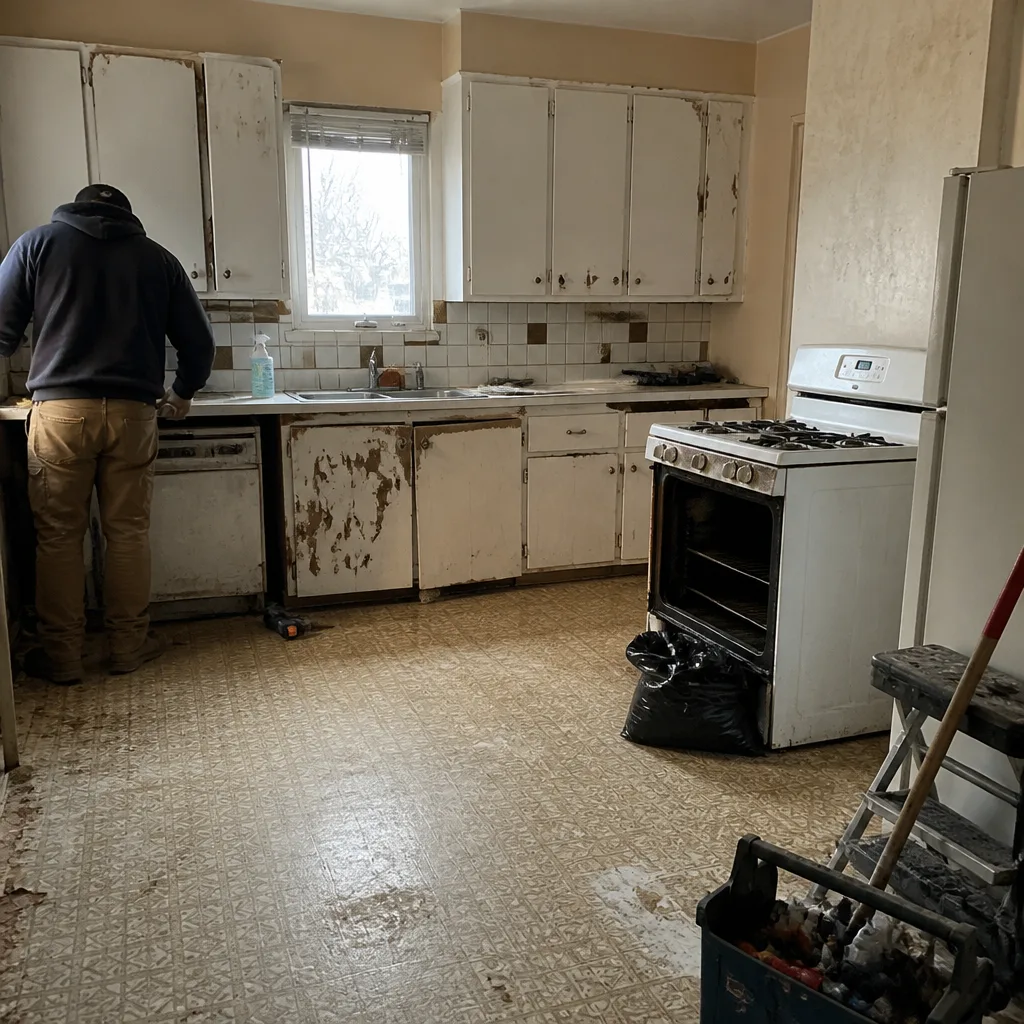
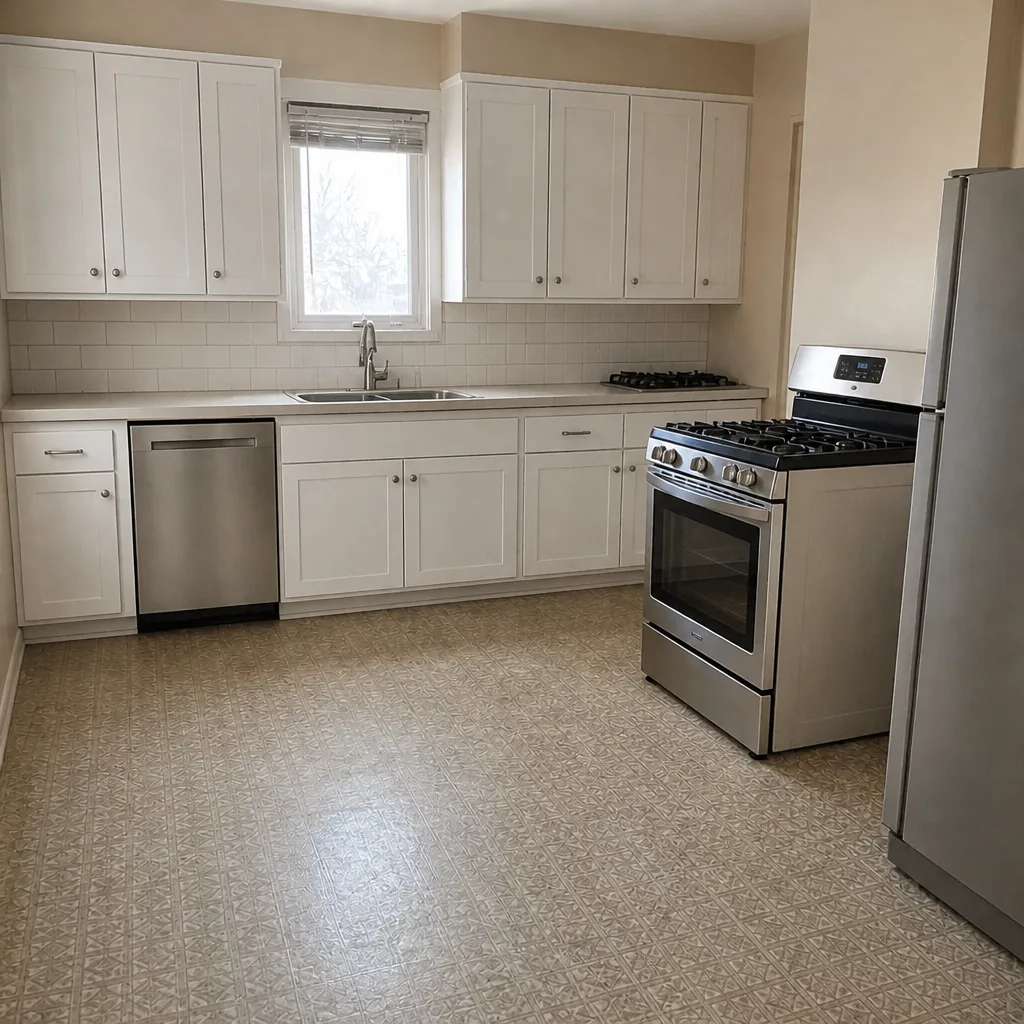
See the difference
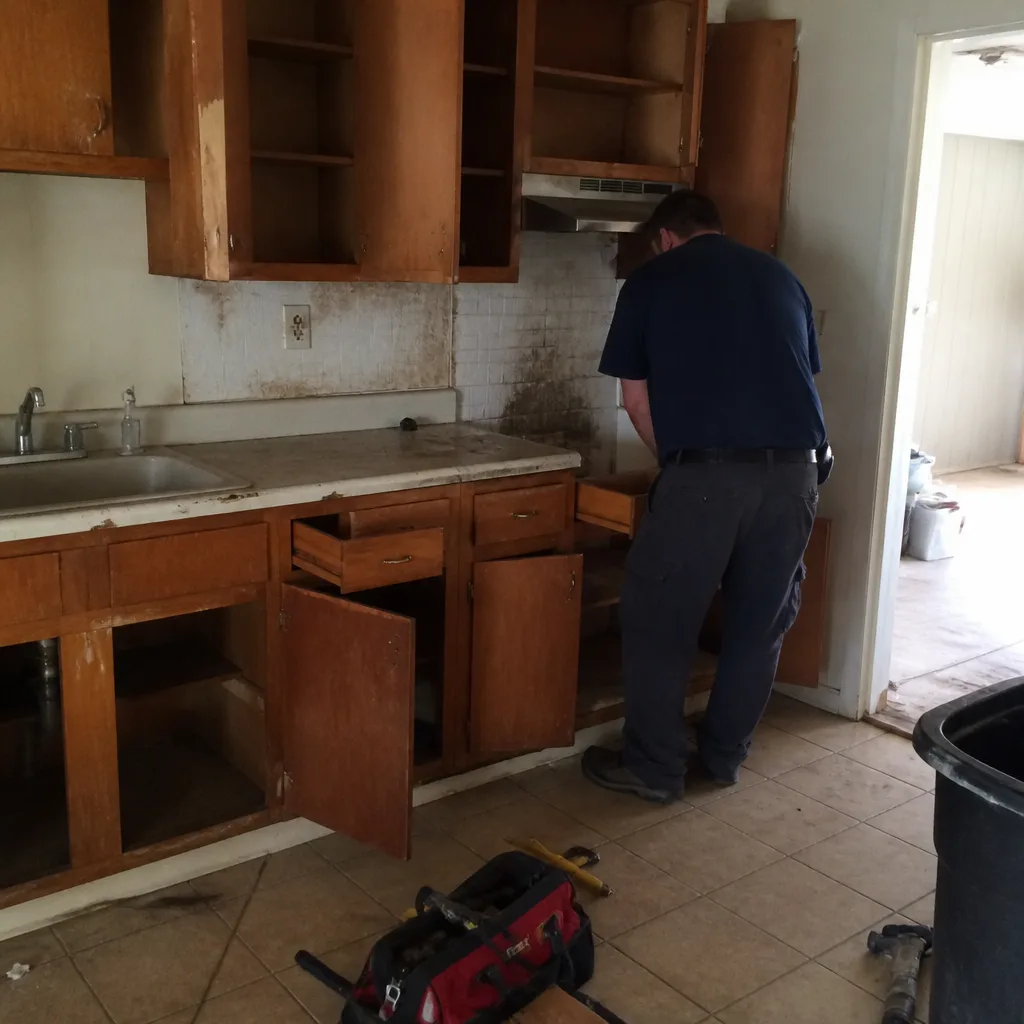 Before
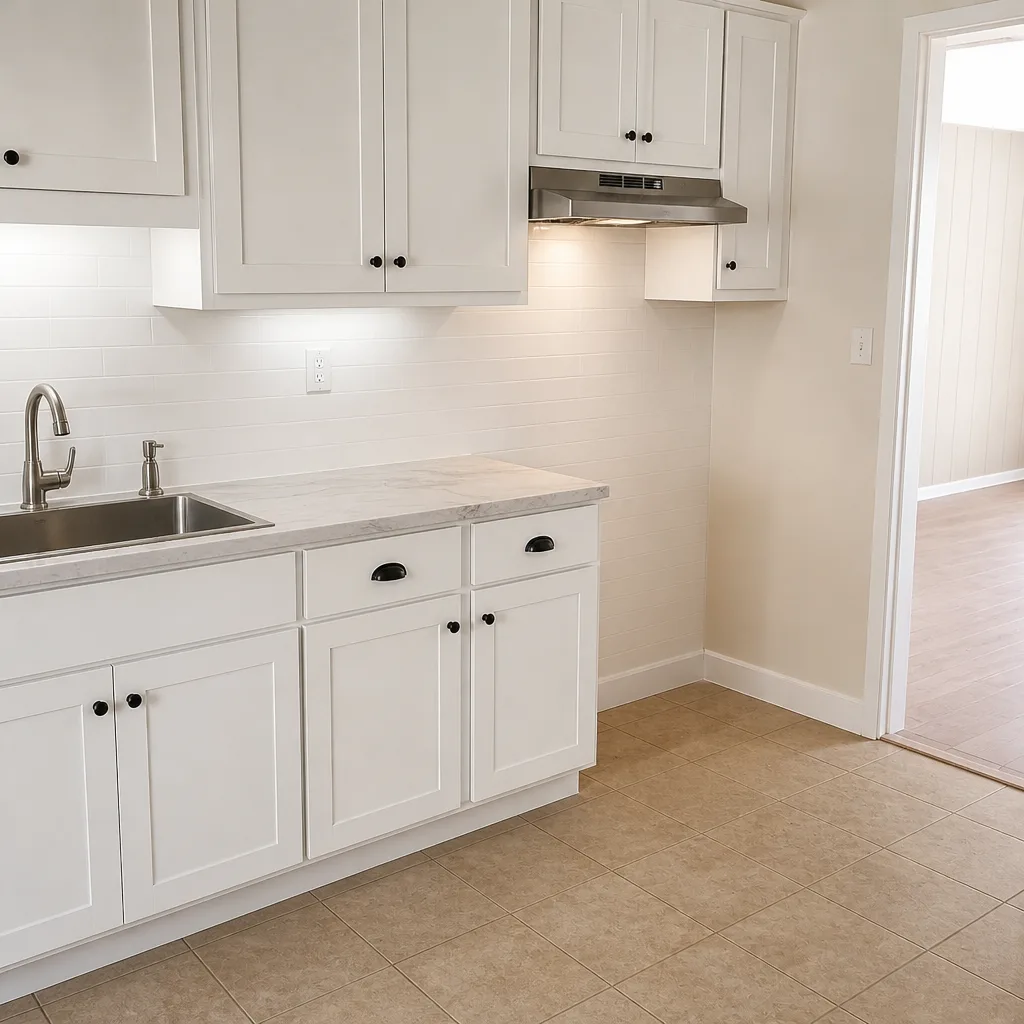 After
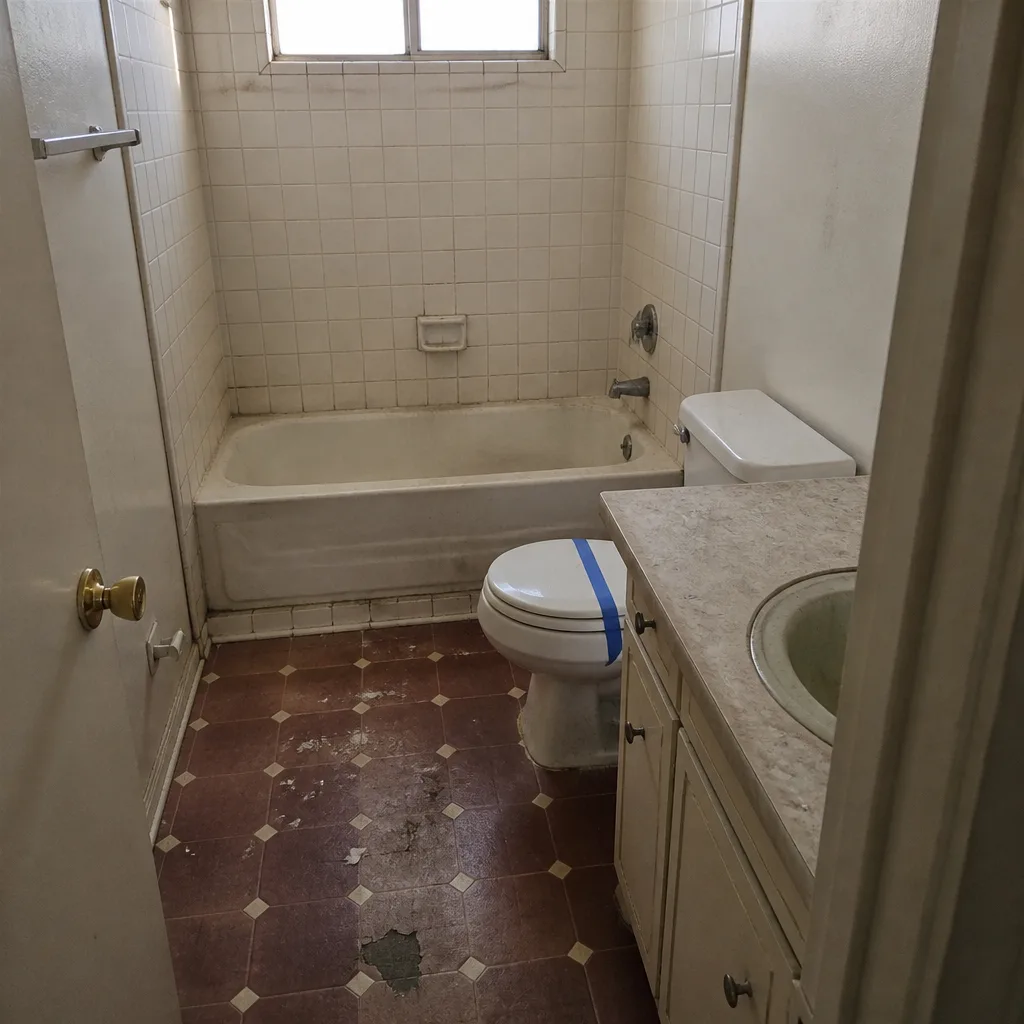 Before
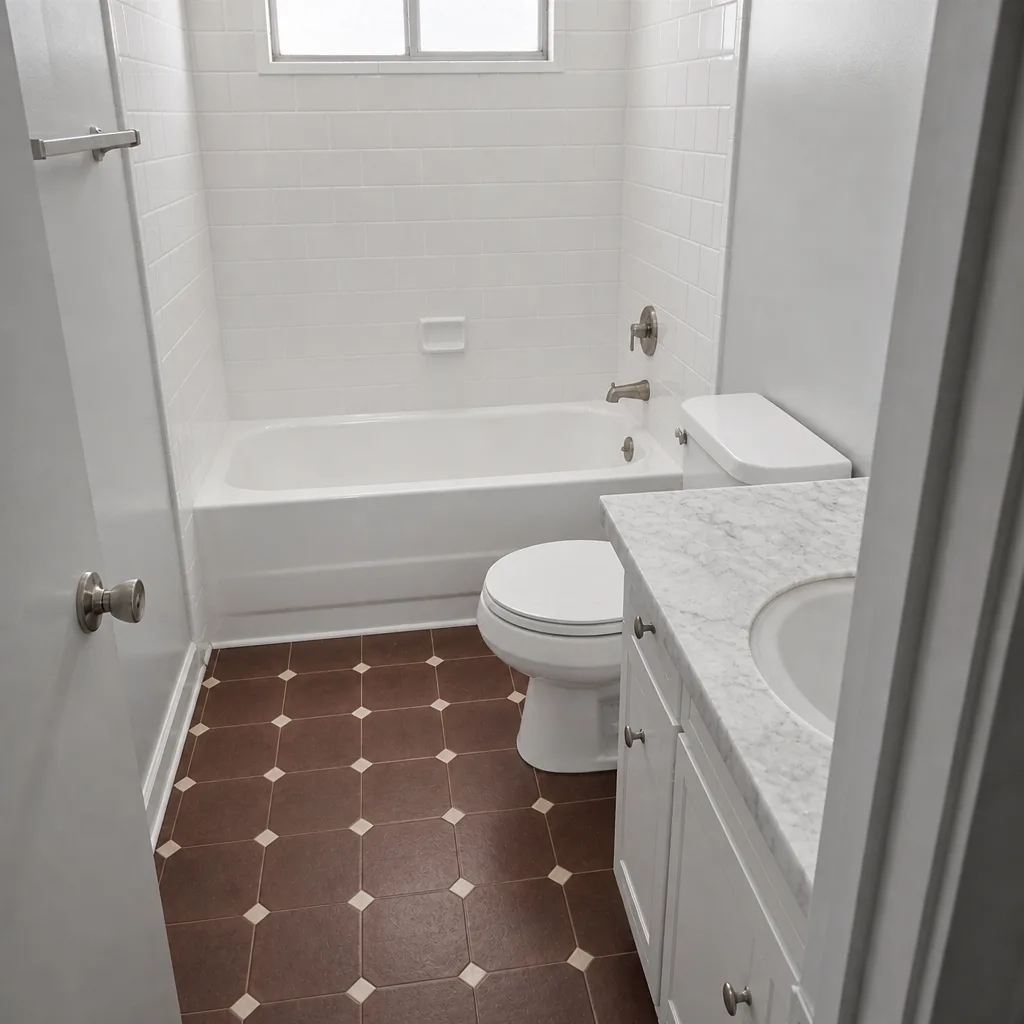 After
 Before
 After
When to Call a Professional
Call a professional when the problem involves concealed water, structural movement, a failure that’s recurred after one attempted fix, or anything that touches electrical or gas systems around the renovation. Painting, grout touch-ups, and a single binding door are within reach for a careful homeowner. Cupping across a room, binding across the house, and any water staining that keeps returning need a trained eye. Skip the project manager if the visible problem is cosmetic and repeated; the odds are the root cause sits one layer below and the checklist this guide walked you through is the shortest path to fixing it once. Sawyer Remodeling Winchester offers free estimates in Winchester. Call (888) 343-7097. Our technicians have up to 21 years of experience, and every project is backed by The Relay Visibility Guarantee: a written price before work begins and a live arrival time so you know exactly when someone is coming.
Frequently Asked Questions

Ask whether the failure would have happened in the same place with no use and no cleaning. If it would, it’s usually workmanship or materials. If it followed a spill, a piece of furniture, or a missed maintenance item, it’s use and environment. The diagnostic test from the framework early in this guide is the short version: isolate, check the timing, and compare to an identical untroubled surface. If you’re still unsure, a written assessment from a general contractor is the fastest way to know whether you’re owed a callback.
It varies widely by weather, material, and system, so ask for the term in writing before you hire. Sawyer Remodeling operates under a 365-Day Done Right Promise on every project: if it isn’t done right, we make it right, for a full year after the project closes. A written warranty is the piece of paper most contracted jobs are missing. Get yours before work begins, then keep it with the scope and the photos.
Cracking grout usually means movement, not defective grout. In Winchester, the dry heat expands and contracts the framing and the substrate, and if the tile was set without a properly waterproofed backer, that movement transfers to the grout and cracks it. If the crack is at a corner or floor-to-wall transition, it may have been grouted where caulk belonged. In either case, don’t regrout until someone checks the substrate.
Structural repairs, plumbing changes, and electrical rework almost always require a permit, and a good contractor pulls it and passes the inspection. Cosmetic fixes generally don’t. Ask the question before work starts and get the answer in writing. Permits are part of the documented record you’ll want if the problem comes back and needs inspection. Call (888) 343-7097 for a quote and to confirm what your repair needs.
It shouldn’t, if the scope was written properly. That’s why we put the price in writing before any work starts: the number on the invoice is the number you approved. A legitimate change order should only happen if the diagnosis changes once the wall opens up, and you should still approve it before the work continues. No-hassle upfront pricing is the standard, not an upgrade.
Cosmetic touch-ups, caulk lines, and a single stuck door are fair game for a careful homeowner. Concealed water, structural movement, tile debonding, and any failure that’s already been “fixed” once should go to a professional. The DIY shortcut that costs real money is doing a surface fix over an unresolved cause. Call (888) 343-7097 for an exact quote, since estimates are free and the diagnosis is the part that matters.
The Bottom Line
The failures we see in Winchester have one thing in common: the visible symptom and the actual cause are rarely the same thing, and the cheapest fix is always the one that addresses the cause. Diagnose before you repair, document before you complain, and get every scope and price in writing. If you’re mid-renovation or shopping for one and want a team that puts the price down before the first tool comes out and keeps you updated through the whole job, this is exactly what we build every project around. The Sawyer Remodeling Winchester home page shows how we work, and our Bathroom Remodeling in Winchester and Kitchen Remodeling in Winchester services are where fixed pricing and a written scope do the heaviest lifting.
Ready to price a fix or a full renovation? Call (888) 343-7097 for a free estimate. We answer calls with a live person, 24/7, so you won’t sit in a callback queue wondering if a real phone exists on the other end. We use proven brands like KraftMaid and Cambria, GAF and James Hardie, and our background-checked technicians show up with a live arrival time so there’s no guessing. Every project carries the 365-Day Done Right Promise: if it isn’t done right, we make it right.
Written by the team at Sawyer Remodeling Winchester.