Last updated November 18, 2026



Free written scope consultation - allowances, timeline, and change-order rules on paper before a single trade is scheduled
DIY vs Professional Home Renovation: What’s Safe to Do Yourself
Nevada requires a licensed contractor for any single project exceeding $1,000 in combined labor and materials. Most homeowners cross that line before they’ve finished tiling a shower floor. The real DIY-vs-pro question isn’t whether you own a good drill. It’s about permit exposure, insurance liability, and what happens to your home’s resale value when unpermitted work surfaces during a title search. This guide draws the line at exactly those three factors. You’ll learn which tasks are genuinely safe and cost-effective to do yourself, which ones look cosmetic but trigger inspections, and how to walk into a contractor conversation already knowing what your project will cost.
Quick Answer
Painting, swapping cabinet hardware, and light landscaping are safe and cost-effective DIY projects. Anything that touches electrical, plumbing, gas, structural walls, or requires a permit in Washoe County is where DIY stops being a good idea. The tipping point isn’t skill level; it’s permit exposure, insurance liability, and resale risk when unpermitted work gets discovered.
Styles & brands we work with
- Kitchen remodeling
- Bathroom remodeling
- Home additions & ADU
- Roofing
- Windows & doors
- Driveway & pavers
- Fence
Table of Contents
- What Nevada law says about DIY renovation
- What’s genuinely safe to do yourself
- The permit trap: cosmetic work that triggers an inspection
- Insurance and liability: what your policy actually covers
- How unpermitted DIY work shows up at resale
- What to bring to a contractor quote
- Hybrid projects: you demo, they finish
- When to call a professional
What Nevada law says about DIY renovation
Nevada’s contractor licensing threshold is the single most important fact in this entire guide, and almost no homeowner knows it. Any project where combined labor and materials exceed $1,000 in a single job requires a licensed contractor under Nevada Revised Statutes. That threshold is low. A bathroom refresh with new tile, a vanity, and fixtures blows past it fast. In Winchester, a standard tub-to-shower conversion routinely runs four to five times that number, so the legal question is settled before the conversation even starts.
What does that mean for a homeowner who wants to do the work themselves? Owner-occupants are allowed to perform work on their own primary residence in most cases. The law is aimed at unlicensed contractors-for-hire, not at homeowners with a paintbrush. But the moment you hire a friend or a handyman to help with work above the threshold, the legal exposure shifts. You’re now the general contractor on a project that may require permits pulled by a licensed professional.
The Nevada State Contractors Board enforces this in Washoe County the same as Clark County. Fines for unlicensed contracting can run into the thousands per violation, and the board investigates complaints. When you call us for a general contractor in Winchester project, we pull the permits and coordinate the inspections. That’s not a marketing line; it’s the legal baseline for work above the threshold.
- Under $1,000 combined: homeowner legal to DIY on a primary residence
- Over $1,000 combined: licensed contractor required when hiring help
- Permits: pulled by a licensed contractor or the owner-builder of record
- Electrical, plumbing, gas: licensed trade required regardless
What’s genuinely safe to do yourself
Here’s the honest list, with skill and time estimates we’ve built from watching Winchester homeowners try these projects. None of these require a permit, none risk injury, and all of them return real value on a weekend of work.
- Interior painting. Skill: low. Time: one weekend for a bedroom, two to three days for a whole living area. Cost: $300 to $600 in paint and supplies for a standard room with quality primer and two coats. Do not skip the tape and drop cloths; that’s where amateurs lose the day.
- Cabinet hardware swaps. Skill: low. Time: two to four hours for a full kitchen. Cost: $80 to $200 for pulls and knobs. You’ll need to measure once, drill carefully, and use a template. This is one of the highest-return DIY projects in a kitchen, and it doesn’t touch anything structural.
- Light landscaping and mulch. Skill: low. Time: a full weekend. Cost: $200 to $500 depending on the size of the beds. Nevada native plants and drip irrigation are the local winners. Anything that touches the irrigation main line crosses into plumbing territory.
- Caulking and grout refresh. Skill: low. Time: half a day per bathroom. Cost: $30 to $80. Winchesters’s dry summers mean caulk in shower surrounds dries and cracks faster than in coastal climates. Recaulking once a year is a real maintenance win.
- Shelving, closet systems, and freestanding storage. Skill: low to moderate. Time: four to six hours. Cost: $200 to $800. Stick to walls you’ve verified aren’t load-bearing. When in doubt, don’t drill.
What do these projects have in common? They’re reversible, they don’t touch systems, and they don’t require a permit. If you mess up, you redo it. That’s the safe zone.
The permit trap: cosmetic work that triggers an inspection
This is where most DIY plans fall apart. Several projects look cosmetic but trigger a permit and inspection requirement under Washoe County code. If you do them without pulling a permit, you’ve created exactly the kind of problem that surfaces years later at the worst moment.
- Adding an electrical outlet. Looks like a two-hour job. Requires a permit and a licensed electrician. Running a new circuit inside a finished wall is not a weekend task, and electrical fires are the leading cause of residential fire deaths in older homes.
- Moving a non-load-bearing wall. Looks cosmetic. Requires a permit because the county needs to verify it’s actually non-load-bearing. In Winchester’s 1980s and 1990s subdivisions, walls you don’t think are load-bearing sometimes are.
- Adding a bathroom exhaust fan. Looks cosmetic. Requires a permit because it involves electrical work and venting through the building envelope. Incorrect venting is a moisture problem and a mold risk.
- Tile work that involves moving a shower drain. Looks cosmetic. Requires plumbing permits. Safety caveat: tile shower rebuilds involve the waterproofing layer beneath the surface. That’s where we see the most expensive failures. The waterproofing is not something to tackle on your own – it requires training to get the Schluter edge trim (the metal strip that waterproofs where your tile meets the floor) set correctly, and a failed pan means ripping the whole shower out.
- Replacing a toilet or faucet. Technically a plumbing permit in Washoe County depending on scope. The task is doable for a confident homeowner, but a botched supply line is a slow leak you don’t see until the subfloor is ruined.
We’ve walked into Winchester bathrooms where a homeowner’s DIY shower was two years old and already failing at the pan. Remediation ran more than the original install would have cost. For a bathroom remodeling in Winchester project, budget for a licensed contractor and skip the risk. Safety caveat for electrical and gas: do not work on energized circuits, gas lines, or panel work yourself. These are genuinely dangerous and the reason licensed trades exist.
Insurance and liability: what your policy actually covers
Most homeowners assume their policy covers a renovation. It usually covers a fire or a flood. It does not cover a neighbor’s injury if you hired an unlicensed helper to help carry drywall, or damage caused by unpermitted work a home inspector flags later. The liability exposure gets expensive fast.
Here’s how insurance and liability line up against the DIY decision:
- Your homeowner’s policy typically covers accidental damage from the work itself, but almost never covers injuries to people you’ve hired to help.
- An unlicensed contractor working on your home means no bond, no liability insurance, and you’re the one on the hook if something goes wrong or someone gets hurt.
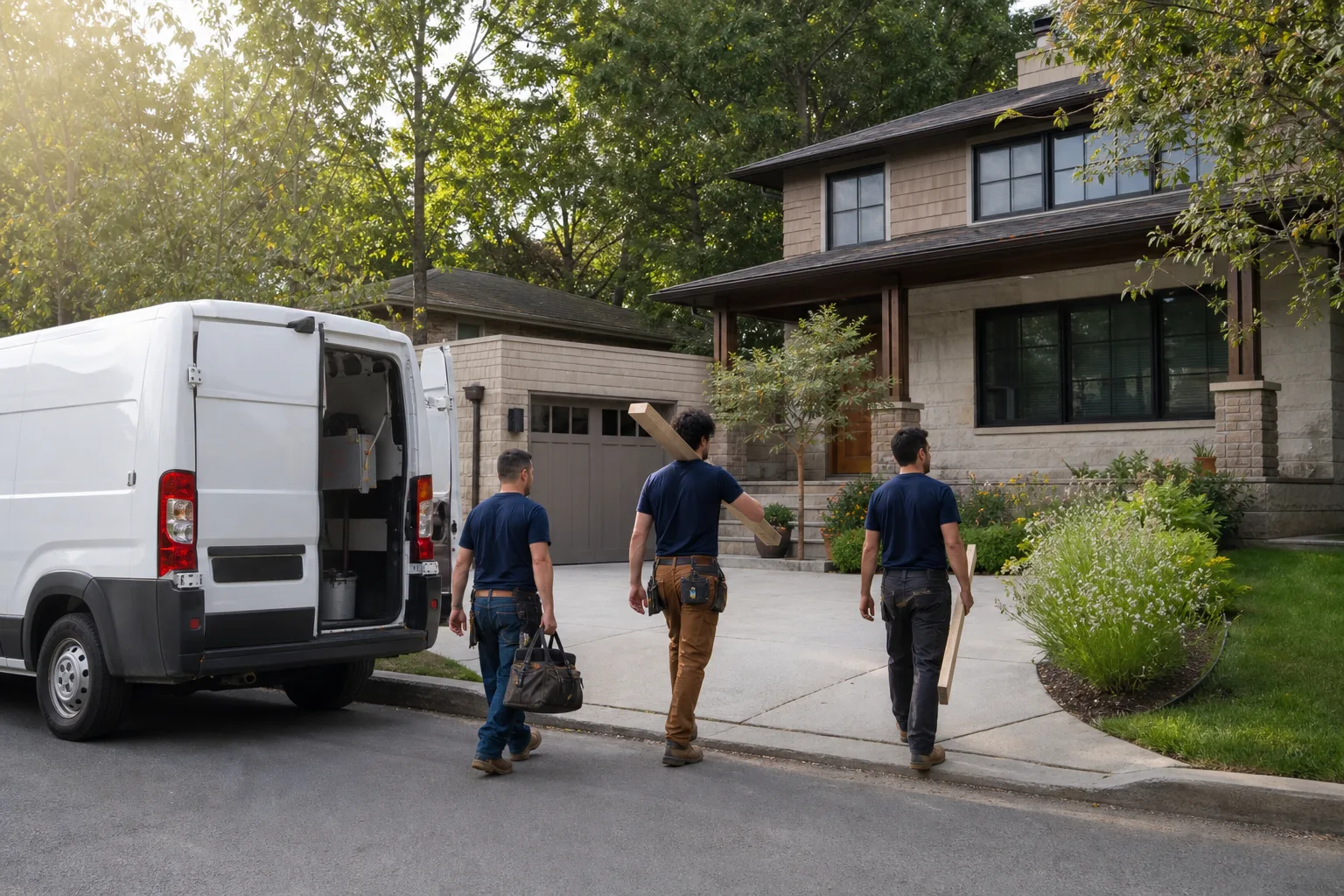
- A licensed contractor carries general liability and worker’s comp coverage. Every project we run is insured as required by state law and background-checked on every technician – The Relay Standard includes a live arrival time and photo updates so you know exactly who’s coming before they show up.
- Water damage exclusion: most policies exclude slow leaks from do-it-yourself plumbing repairs, which is why a $40 faucet replacement can cost a homeowner $8,000 in subfloor repair if it fails over a weekend.
In our experience in Winchester, the insurance question is the one homeowners think about last. It should be the first. If a project can cause an injury, a fire, or a leak, the insurance answer settles the DIY question.
How unpermitted DIY work shows up at resale
This is where the real math gets uncomfortable. Unpermitted work has a way of surfacing at exactly the wrong moment: during a home inspection, a title search, or an escrow walkthrough when the buyer’s realtor starts asking questions.
A title search doesn’t usually find unpermitted work directly. What it finds is a permit that was never closed, or a discrepancy between the county’s record of your home (square footage, bathroom count, bedroom count) and reality. When the buyer’s inspector sees a bathroom that isn’t on the county record, the questions start. In our experience, remediation before sale runs between $2,000 and $15,000 depending on what needs to be brought up to code, inspected, and re-permitted. That cost lands on the seller. And in a competitive Winchester market, buyers use unpermitted work as leverage in negotiation.
The cleaner path is to pull permits when the project requires them. If you want the work done right and permitted with the paper trail to prove it, a kitchen remodeling in Winchester or a bathroom remodeling in Winchester through a licensed contractor gives you a closed-permit file that moves with the house.
What to bring to a contractor quote
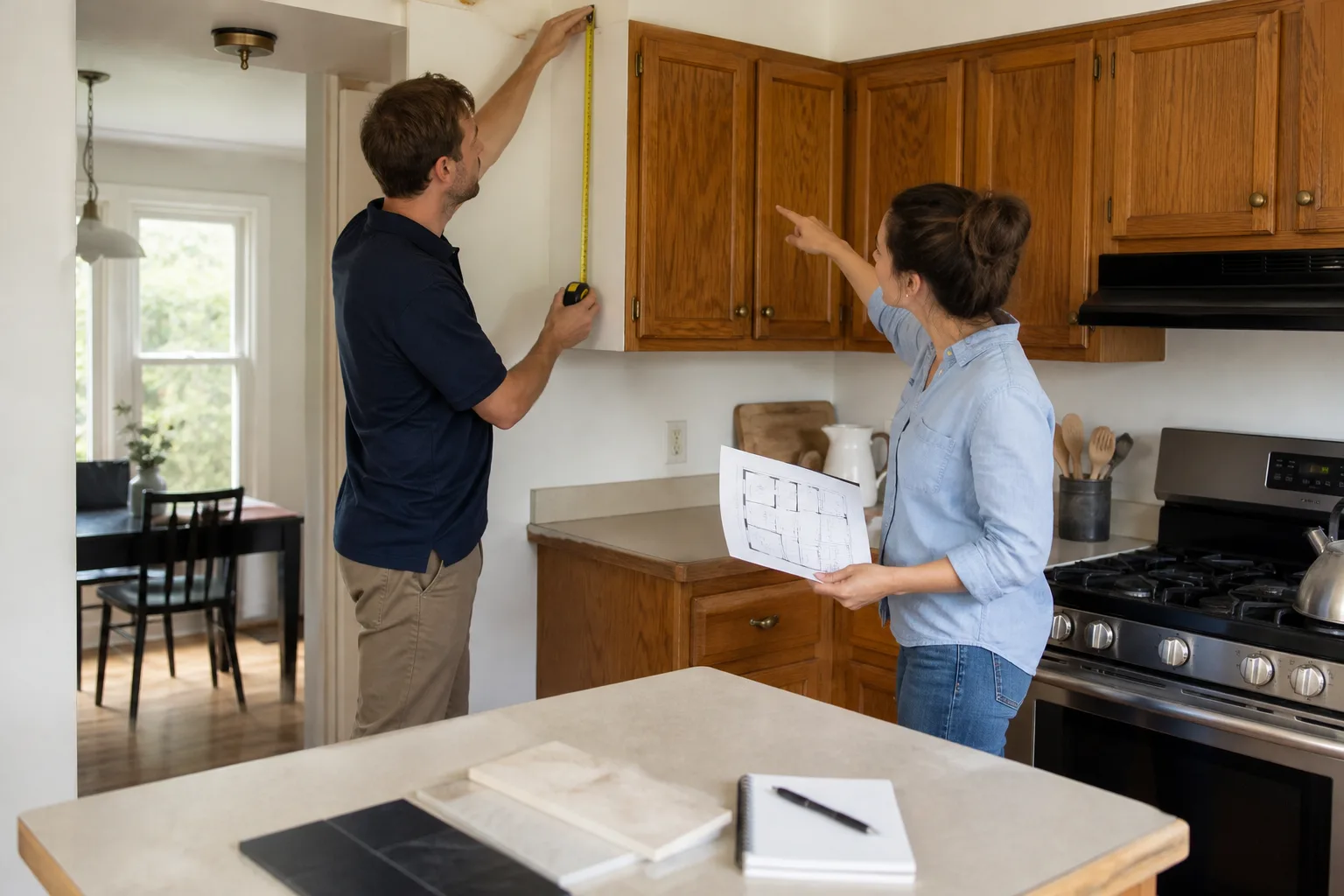
The most underrated move a homeowner can make in a contractor conversation is showing up already knowing what the materials cost. That changes the entire dynamic. Bring a materials worksheet to your first meeting and the conversation moves from “what’s the ballpark” to “here’s the scope, here’s my material budget, here’s what I’m asking your crew to do.”
Here’s what to bring:
- Your material list with prices. Tile, fixtures, finishes, cabinetry. Print out prices from two or three sources. If you’re planning on KraftMaid or Wellborn cabinetry, bring the cabinet spec sheet. For countertops, price out Cambria or Caesarstone slabs so you know what you’re asking for.
- Photos of the current space. Multiple angles. Include the electrical panel location and any visible plumbing.
- A clear list of what you’re doing vs. what you want the contractor to do. Are you demoing? Painting? Handling the finish trim? Write it down.
- Your budget range in writing. A contractor can’t help you hit a number they don’t know. Give us the range, and we’ll tell you what’s realistic.
- Your timeline. A real schedule with dates, not “sometime this spring.”
- A list of your questions. Permits, insurance, warranty, change-order policy, and what the payment schedule looks like.
When you bring this to a quote conversation, you get a written price range in dollars on the page before any work starts, which is a standing commitment we make on every project. That’s the no-hassle upfront pricing, and it’s the number you approve – not a number that changes at the invoice.
Hybrid projects: you demo, they finish
Hybrid projects work in Winchester more often than you’d think. A homeowner who is willing to demo a kitchen down to the studs (with clear caveats) saves meaningful labor cost. Then a licensed crew handles the plumbing, electrical, drywall, tile, and finish work. The scope split has to be agreed in advance, in writing, and here’s what that looks like.
- What you can do: Remove old cabinets, flooring, and drywall after the utility disconnect is done by a licensed pro. Hauling debris. Basic demolition under supervision.
- What we do: Disconnect electrical and plumbing safely. Pull permits. Rebuild your rough-in, waterproofing, and finish to spec with named materials from our partner roster, including Cambria and Caesarstone surfaces and Kohler and Moen fixtures.
- What we don’t do: Allow unpermitted utility work between phases. That’s the crossover we won’t make.
- How the split is priced: A hybrid scope is priced line-item, so the written price shows exactly what’s each side’s responsibility. No surprises at invoice.
For a whole-home renovation hybrid, the demo scope gets sized to the contractor’s schedule, not yours. Get that in writing. On Sawyer Remodeling Winchester home projects we run the schedule through photo updates before and after, plus a live arrival time, so a homeowner who demoed on Saturday knows exactly when the crew is arriving Monday.
When to call a professional
Call a professional when any of these is true: the work touches electrical, plumbing, gas, or structure; a permit is required; the project total exceeds $1,000 in combined labor and materials and you’re hiring help; the project could injure someone; or you’re planning to sell within three years. If two or more of those apply, DIY has become a liability exercise, not a cost-saving one. The more specific triggers we see in Winchester include shower rebuilds, whole-home renovation, load-bearing wall questions, and anything involving the panel.
Sawyer Remodeling Winchester offers free estimates in Winchester. Our technicians have up to 21 years of experience and are background-checked and uniformed on every project. Call (888) 343-7097 to schedule your free estimate. The written price lands in your hands before any work starts, and the 365-Day Done Right Promise covers a full year of accountability after the project closes.
See the difference
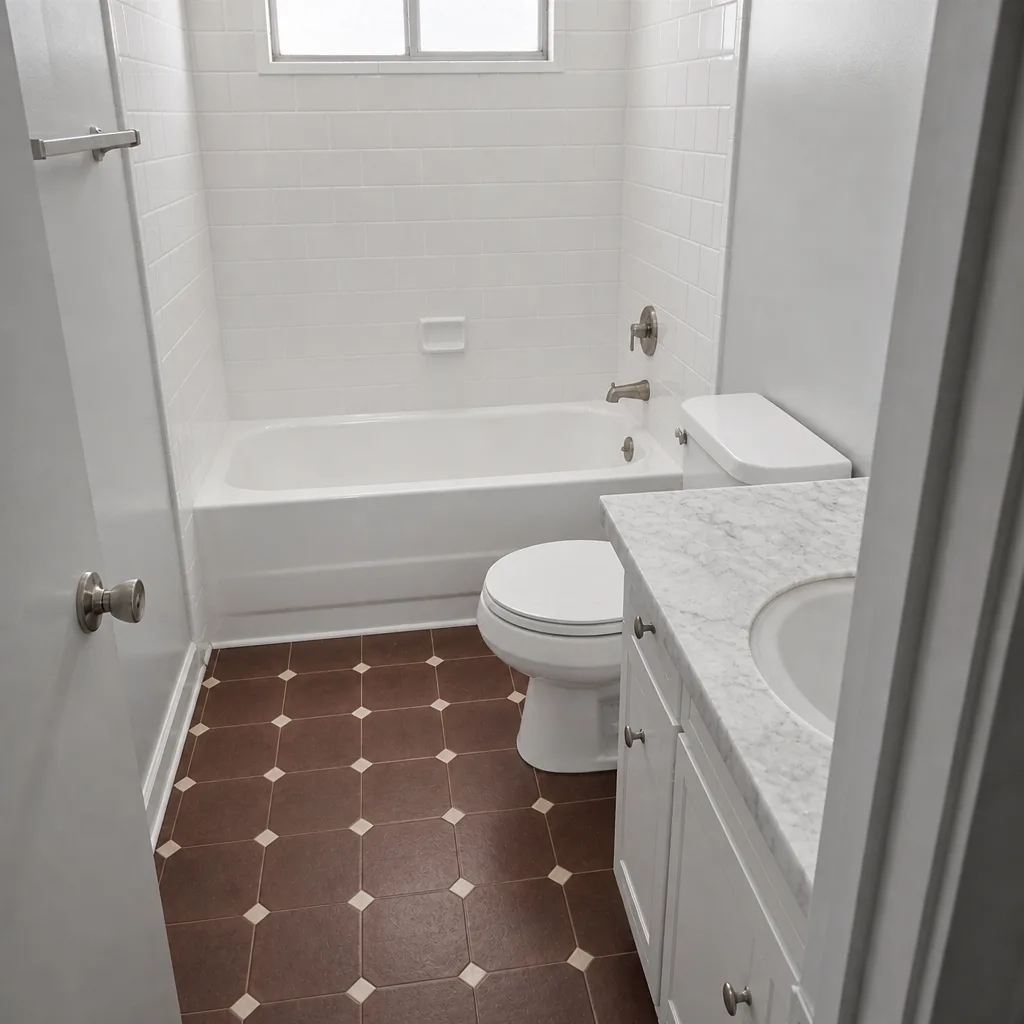
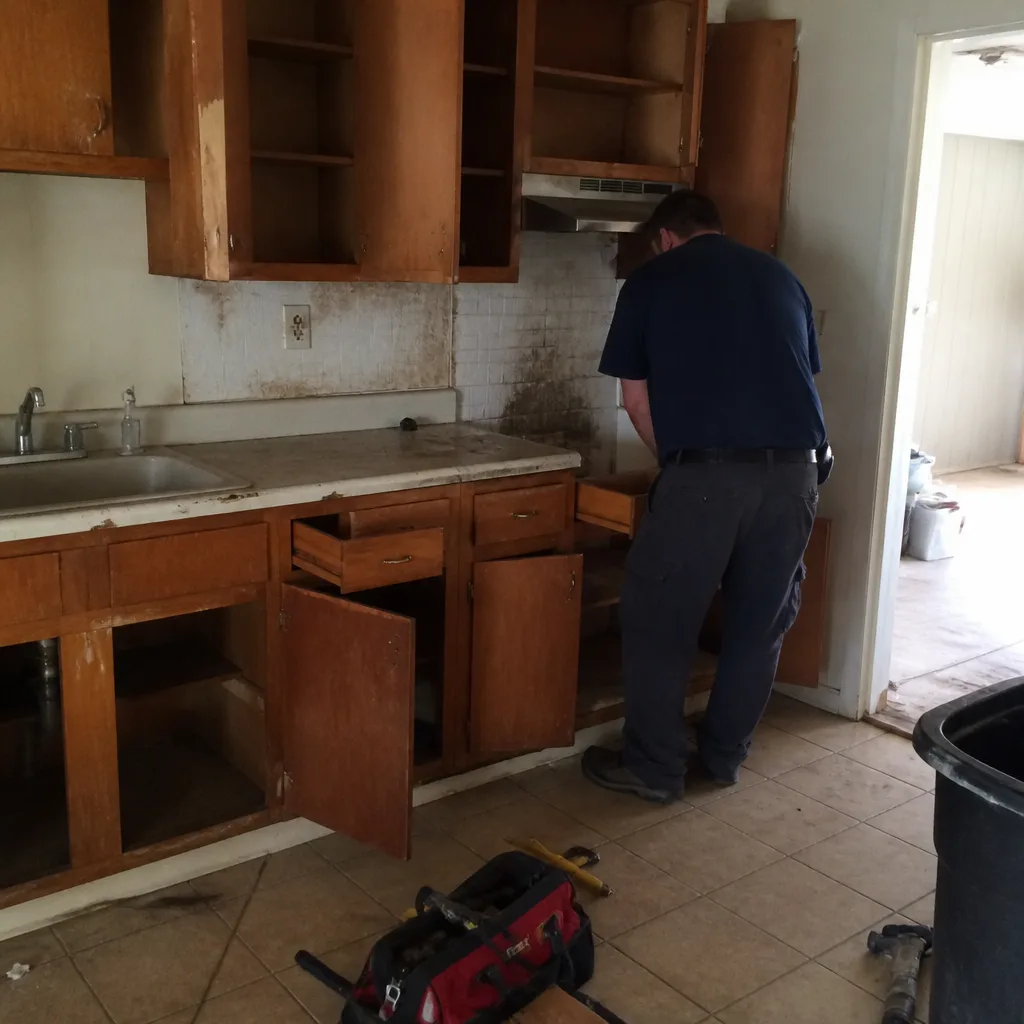 Before
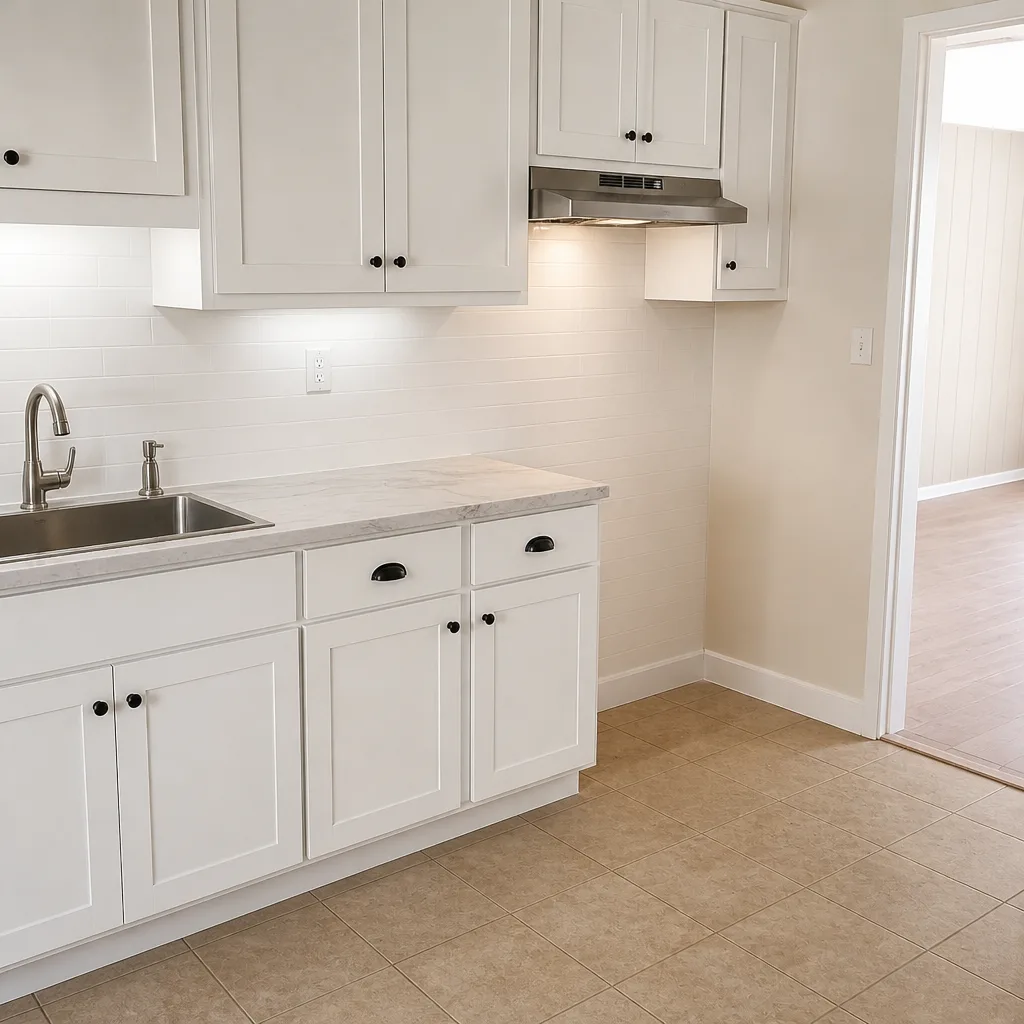 After
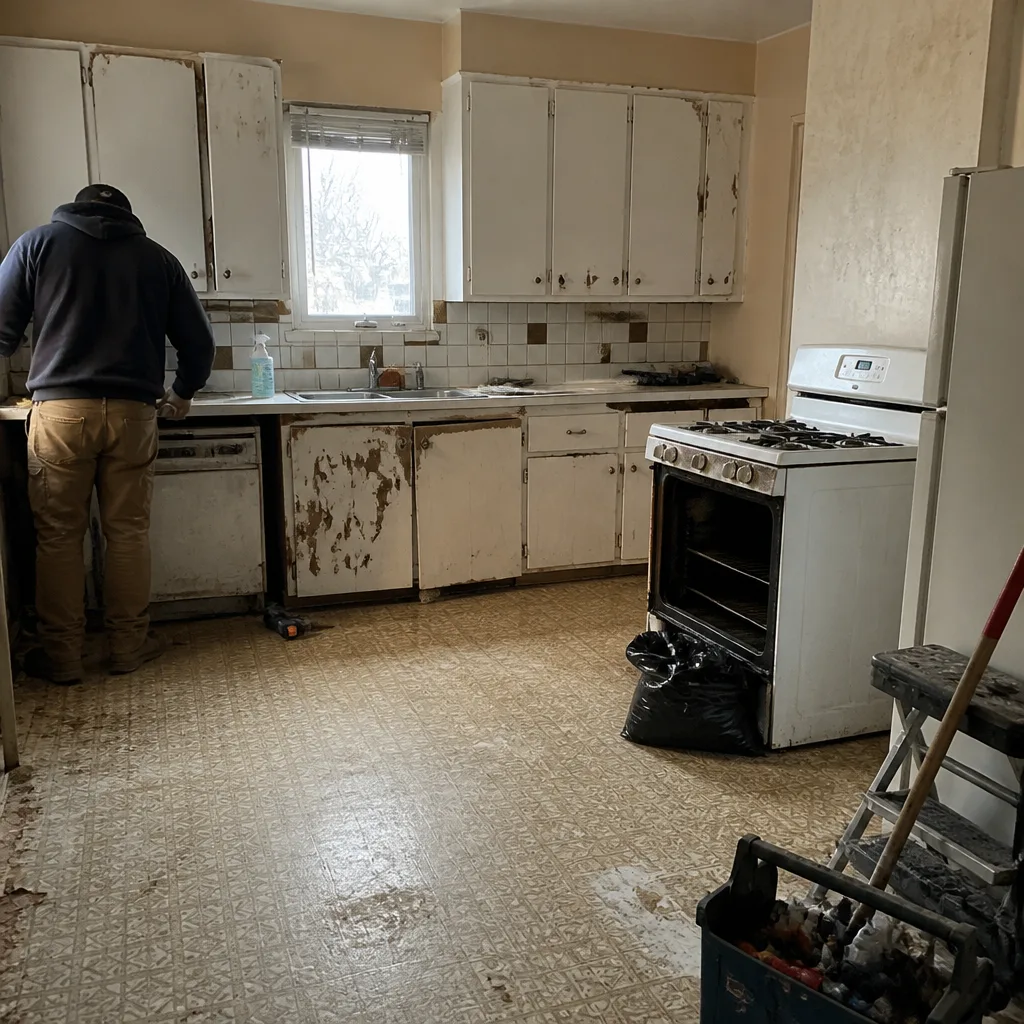
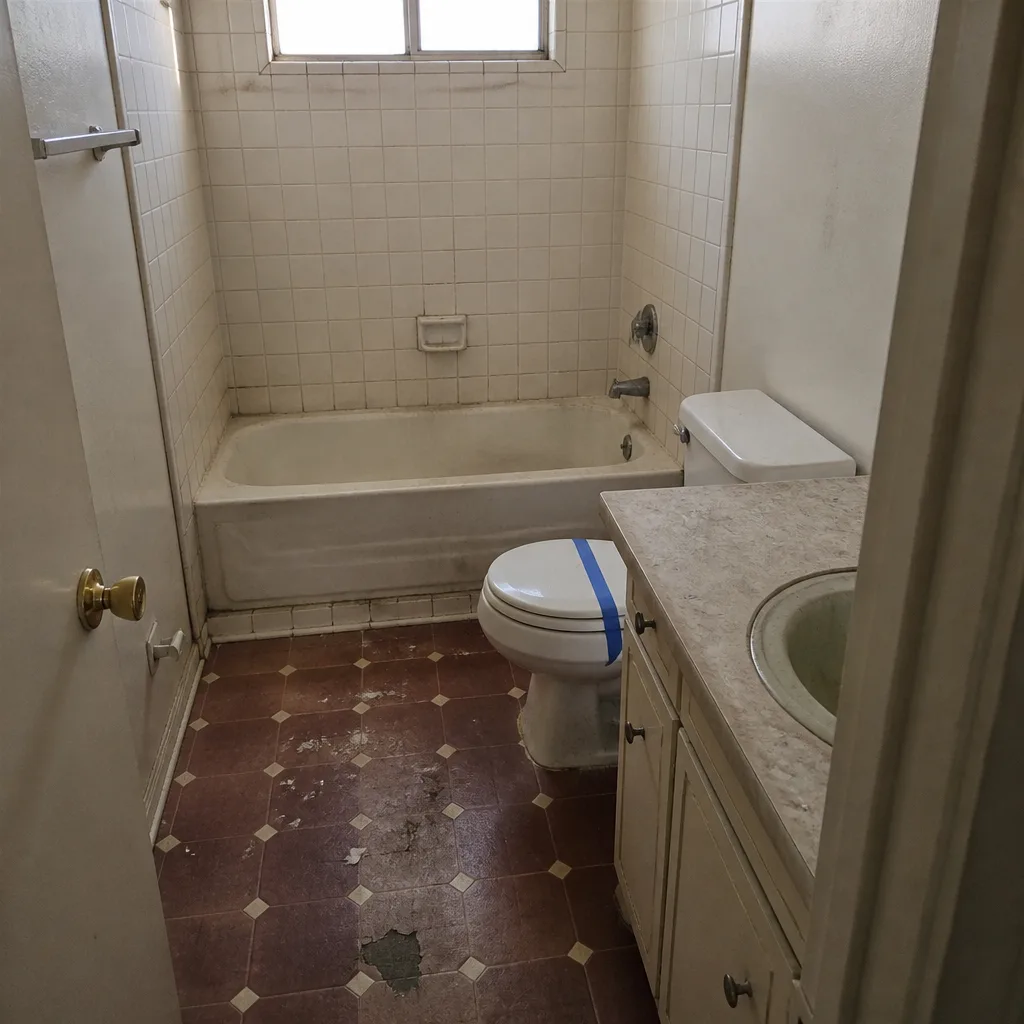 Before
 After
 Before
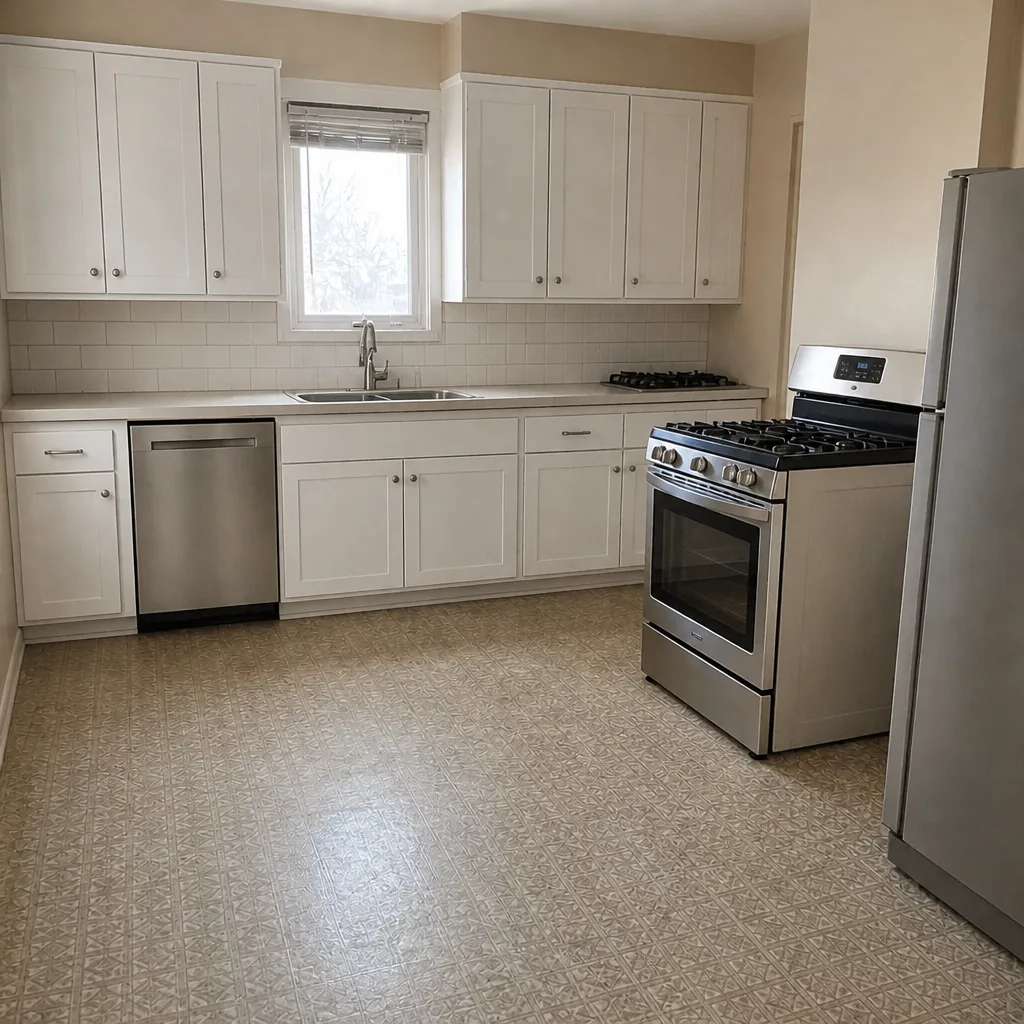 After
Frequently Asked Questions
Yes, if the combined labor and materials for a single project exceed $1,000. That threshold is low, and almost every bathroom remodel crosses it. In Winchester, the standard tub-to-shower conversion runs well above that number, so a licensed contractor is required.
Painting, cabinet hardware swaps, light landscaping, caulking refresh, and freestanding shelving are all safe and cost-effective. None of these touch utilities or structure, and none require a permit. Expect one weekend for a bedroom of paint or two to four hours for a kitchen hardware swap.
It can. Unpermitted work or a permit that was never closed surfaces during a home inspection or title search, and remediation before sale typically runs $2,000 to $15,000 depending on what needs to be brought up to code and re-inspected. In a competitive Winchester market, buyers use unpermitted work as negotiation leverage.
Yes, on hybrid projects where the scope split is agreed in writing. You handle demolition, debris removal, and any painting or finish trim. The licensed contractor handles permits, rough-in, waterproofing, and finish work. Get the split documented before work starts so the written price matches the scope.
Waterproofing a shower without permits or training. We regularly see spring failures in Winchester shower pans because the waterproofing layer was installed incorrectly. The waterproofing is not a DIY task; it requires training, and a failed pan means a full rebuild.
Stop and call when the work touches electrical, plumbing, gas, or structure, requires a permit, could injure someone, or when you’re planning to sell within three years. If any of those is true, the DIY decision has become a liability question.
Common Mistakes to Avoid
- Assuming the $1,000 threshold is a suggestion. It’s not. Nevada treats it as law. A homeowner who hires a friend for a $3,500 project above threshold has created unlicensed-contractor exposure, and the friend has zero liability insurance.
- Doing electrical work to “save money.” A new outlet is a $250 pro job and $30 in parts. A house fire from a bad connection is six figures and a life. The math never wins for DIY electrical.
- Skipping the permit because it’s “just cosmetic.” Adding an exhaust fan and moving a wall are the two cosmetic-looking jobs that trigger inspection requirements most often. The county doesn’t care what you call it; the code does.
- Waterproofing a shower without training. The Schluter edge trim and the shower pan membrane are where amateur installs fail, and the failure is silent until the subfloor is ruined. This is a licensed-trade-only job.
- Hiring an unlicensed handyman to “help.” Even for finish work. No bond, no insurance, and you’re the one who funds the injury. Background-checked technicians are the minimum bar for anyone entering your home.
- Not keeping a permit file. A closed permit is a document that goes with the house. A permit that was never pulled is the issue that surfaces at sale, and remediation runs thousands before any realtor’s sign goes up.
- Going to a quote without a materials list. Without it, you’re asking for a ballpark. With it, you’re asking for a written scope. The difference is thousands.
The Bottom Line

The DIY line in Winchester is set by Nevada’s $1,000 licensing threshold, not by skill. Painting, hardware, landscaping, and caulking are safe, cheap, and worth your weekend. Anything that touches electrical, plumbing, gas, structure, or requires a permit is where DIY becomes a liability exercise that can cost more at resale than it saved up front. Bring a materials worksheet to your quote, get the split in writing on a hybrid scope, and pull the permits when the code requires it. That’s the whole framework. The drill is optional; the paperwork isn’t.
Written by the team at Sawyer Remodeling Winchester.