Last updated November 18, 2026








Free written scope consultation - allowances, timeline, and change-order rules on paper before a single trade is scheduled
General Contractor Maintenance Checklist for Winchester Homeowners
The $400 caulk job you skip in October can become a $6,000 drywall and subfloor repair by March. That’s not a scare tactic. In Winchester, it’s the pattern we see every spring.
Most maintenance checklists are written by people who’ve never opened a wall. Ours comes from the other side of the drywall: the structural and mechanical items that actually turn into five-figure repairs when they’re ignored. In Winchester, that list is shaped by desert sun, monsoon rain, and soil that expands and contracts with every season.
By the end, you’ll know the five items a general contractor checks first, how Winchester’s climate stress-tests your exterior, and what to log every quarter so you’re covered if a warranty or insurance claim ever comes up.
Quick Answer
A general contractor’s maintenance checklist for a Winchester home starts with five structural items: stucco and thermal expansion gaps on the exterior shell, roof flashing and UV-degraded sealant, grading and drainage after monsoon season, HVAC and duct health, and any active moisture at the air handler or under-sink cabinetry. Handle these first, in that order, and you’ll catch the small issues before Winchester’s climate turns them into structural ones.
Styles & brands we work with
- Kitchen remodeling
- Bathroom remodeling
- Home additions & ADU
- Roofing
- Windows & doors
- Driveway & pavers
- Fence
Table of Contents
- Why a Contractor’s Checklist Looks Nothing Like a Home Blogger’s
- The Five Structural Items a GC Checks First
- Stucco Cracking, Thermal Expansion, and UV Degradation
- Grading and Drainage After Monsoon Season
- HVAC, Ducts, and Why Air Handler Placement Matters
- What to Log and Photograph Every Quarter
- The Seasonal Calendar: What to Do When in Winchester
- What This Maintenance Actually Costs in Winchester
Why a Contractor’s Checklist Looks Nothing Like a Home Blogger’s
A home blogger’s checklist tells you to change your air filter and clean your gutters. Fine advice. It won’t save your floor.
A contractor’s checklist looks at the same house and asks a different question: what’s about to fail, and what will it cost to fix now versus after it fails? That’s the whole difference. We’re not writing a chore list. We’re drawing a map of where Winchester’s climate hits your house hardest.
Winchester sits in a climate that swings hard. Summer heat bakes exterior coatings and pushes stucco and sealant to move. Monsoon season drops weeks of rain on soil that’s been drying and shrinking since spring. When you add the tight, energy-efficient construction common in newer Winchester builds, you get a house where moisture has nowhere to go except into a wall cavity. That’s the structural risk most checklists ignore entirely.
So the priority order here is different from a general maintenance guide. We start with the building envelope, because everything else follows from it. Once water is getting into the wrong place, no amount of HVAC filter changes matters. As a general contractor in Winchester, that’s the first thing we look at on any home, and it’s the first habit we recommend for owners.
The Five Structural Items a GC Checks First
Before we quote a remodel, a repair, or anything else, we walk the house in this exact order. The logic is simple: structure first, water second, systems third. You should run the same order on your own home once a year.
- The building shell. Walk the perimeter of the house. Look for stucco cracking, sealant gaps at window and door frames, and signs of water staining at the base of walls. On a Winchester home, exterior sealant takes a hard UV beating year-round. Recaulking a gap that’s already opening costs a few hundred dollars; letting it open into the wall cavity costs several thousand.
- Thermal expansion gaps. Stucco, siding, and trim expand and contract with temperature swings. On newer construction, movement is expected and joint gaps are engineered in. What’s not engineered is the gap going unfilled for two seasons. Inspect window and door frames closely for separations in the stucco that weren’t there last year.
- Roof and flashing. Check around chimneys, valley flashing, and vent boots. On Winchester roofs, sealant and flashing degrade from UV exposure more than from rain. A failed boot around a plumbing vent is a very common source of attic moisture.
- Grading and drainage. Soil should slope away from the foundation on every side. After a monsoon, walk the perimeter and look for standing water, soil erosion, and water pooling near the base of walls or in window wells.
- Moisture at the air handler and mechanical closets. Air handlers in newer tight-built homes are often in closets, attics, or hallways. Check for condensate leaks, condensation staining, or any cold surface below the unit. A slow condensate drip in a sealed closet is a hard moisture problem that grows quietly.
Snap a photo of each item every quarter. That photographic record is your defense if a warranty or insurance claim comes up later. “Here’s the grading on the west side in June and here it is in September” is a very different conversation with an adjuster than “I think this was already a problem.”
Stucco Cracking, Thermal Expansion, and UV Degradation
Stucco is a great exterior finish for Winchester’s climate, and it’s also the first finish to show you when your house is under stress. Not every crack means trouble. But some cracks are load indicators, and knowing the difference matters. This is exactly the kind of thing a professional who works on Winchester homes can read at a glance, because we’ve watched the same patios and walls crack the same way for years.
- Hairline cracks (up to 1/16 inch). Cosmetic. Fill them and seal.
- Cracks wider than 1/8 inch. Worth watching. Note their direction and length on a quarterly log.
- Diagonal cracks at window or door corners. These point to movement. They deserve a qualified inspection.
- Cracks that keep growing. Measure, log, and compare each quarter. If a crack is noticeably longer after three months, it’s telling you something.
UV exposure is Winchester’s other exterior tax. Sun-facing walls and roofs get blasted. Stucco paint and elastomeric coatings chalk and fail faster on south and west facades than on shaded sides. Roof sealants dry out and crack at flashing. Sealant around windows and the joints between stucco and window frames shrinks and separates. Check sealant every season and reapply before it reopens, not after.
When you do reseal, use exterior-grade caulk rated for high UV exposure. It costs more than the cheap tube and lasts three times longer in Winchester. That’s not a marketing claim; it’s the trade’s plain answer to a very predictable problem.
Grading and Drainage After Monsoon Season
The biggest single moisture event of the year in Winchester is monsoon season, and the biggest maintenance mistake is to do nothing about it afterward. When the ground is hard and dry, heavy rain runs off the surface rather than soaking in. The result: water pooling against the foundation, running into window wells, or finding cracks in your driveway and washing out soil beneath it.
After each monsoon, walk your property with a flashlight and do these five things:
- Check the perimeter. Walk every side of the house. Look for standing water, wet soil, and soil washout against the foundation.
- Check the slope. The ground should fall away from the foundation on every wall. If soil has settled so the grade now slopes toward the house, add clean soil and re-slope.
- Inspect window wells and swales. Make sure drainage paths are clear of debris. Overflow at a swale means the whole lot needs re-grading, not just a bit of shovel work.
- Check the driveway, patio, and hardscape. Look for new cracks and for soil eroding out from under slab edges. Eroded washout under a slab is a structural issue, not a cosmetic one.
- Look at the base of every wall. Any staining, efflorescence (white mineral residue), or soft drywall at the bottom of an exterior wall is a drainage failure worth calling in.
Winchester lots are often small and tight. That means rain from the roof lands close to the foundation, and grading corrections are less forgiving than on a large country property. On some lots, gutter extensions alone won’t fix it. A contractor can look at the drainage pattern and tell you whether it’s a re-grading job, a hardscape adjustment, or a foundation drainage system.
HVAC, Ducts, and Why Air Handler Placement Matters
HVAC maintenance is usually filed under comfort and energy bills. On tight, newer Winchester builds, it’s a moisture and structural issue too. Air handler placement determines where condensation forms, and in a sealed closet or attic, a slow condensate drip can quietly rot framing before anyone notices.
The core items to inspect each year:
- Condensate line and pan. Check for blockages and standing water. The pan under an air handler should be dry.
- Filter condition. Replace based on actual dust load in Winchester, which can be high in sandy or windy neighborhoods. A clogged filter strains the system and raises humidity in the ductwork.
- Duct leaks in unconditioned space. Ductwork in an attic or garage that leaks cool air into a hot space creates condensation on everything it touches. That’s a structural moisture risk, not just an energy waste.
- Air handler closet moisture. Look for staining, condensation on the underside of the handler, or moisture on adjacent wall surfaces. If you have to open a taped seam to look, the moisture is already present.
- Return air paths. On tight builds, unbalanced returns can pull humid air into walls. A good HVAC tech or GC can check pressure balance as part of a seasonal inspection.
If you’re planning a bathroom remodel in Winchester, the exhaust fan routing and the location of any nearby HVAC components become part of the conversation. Getting that right during a remodel is far cheaper than correcting it after moisture damage shows up.
What to Log and Photograph Every Quarter
This is the part nobody else tells you, and it’s the part that pays off if you ever need it. Photograph and log four times a year – roughly spring, summer, fall, and winter – the same angles of each of these items. If a warranty claim, insurance claim, or contractor dispute ever comes up, you’ll have a defensible record with dates and photos.
- Stucco and exterior walls. Same angle, every quarter, all four sides of the house. Include window and door frames.
- Roof flashing and vents. Photo every chimney, valley, and plumbing boot from the ground (use a zoom or drone shot if you have access).
- Grading and drainage. Base of each wall, and any swales or window wells. Include a shot showing the slope.
- Air handler and mechanical closet. Photograph any condensate pan, line, and the wall surfaces around the unit.
- Hardscape and driveways. Any cracks and any soil erosion at slab edges.
- Under-sink cabinetry. Photograph the inside of every sink cabinet every quarter. A slow drip you can see in a photo is caught before it rots the cabinet floor.
- Written notes. Note the dates, any repairs you made, and whether the change was handled by you or a contractor. Keep it all in one folder, physical or digital.
This sounds like a lot of photos. It takes about 20 minutes per quarter. In our experience, that log has talked more than one Winchester homeowner out of a fight with a contractor or an insurance adjuster who couldn’t argue with a dated photo.
The Seasonal Calendar: What to Do When in Winchester
Timing matters more than most guides admit. Doing the right task at the wrong time wastes money, and doing it after the damage is done is damage control. Here’s the contractor’s calendar for a Winchester home:
- Spring (March to May). Walk the perimeter after the last frost. Inspect roof flashing, stucco, and grading. Check for any winter water intrusion. Recaulk before summer heat opens every gap.
- Early summer (June). Re-seal exterior wood, touch up elastomeric stucco coating on the south and west walls, and inspect window seals. UV degradation is at its worst in these months.
- Monsoon season (July to September). Watch grading and drainage closely. Do a rapid perimeter check after the first big storm and again after each event. Document everything.
- Fall (October to November). Also the best window for major exterior maintenance. Recaulk, re-seal, and re-slope before the cold and dry season. This is the window where a $400 caulk job genuinely does save $6,000 in repairs by spring.
- Winter (December to February). Interior inspection months. Focus on air handler closets, under-sink cabinets, and any wall surfaces near exterior walls. Run the annual quarterly log.
Homeowners planning a kitchen remodel in Winchester should schedule the pre-remodel site inspection in this fall window. It’s the best time to catch grading and envelope issues before construction starts and they get buried under a new floor.
What This Maintenance Actually Costs in Winchester
Numbers make this usable. Here’s roughly what these maintenance items cost in Winchester, and what they can prevent if ignored. (These are planning ranges; every house is different, and we’ll give you a written price before any work starts.)
- Recaulking exterior windows and doors: $200 to $500 per house. Prevents: interior drywall and subfloor damage, $3,000 to $7,000 if it gets in.
- Stucco crack repair (minor): $300 to $900. Prevents: water intrusion into wall cavity, $2,000 to $6,000 once framing is affected.
- Roof flashing reseal or plumbing boot replacement: $250 to $700. Prevents: attic and ceiling moisture, $2,500 to $8,000 if it spreads to insulation and drywall.
- Grading and drainage corrective work: $500 to $2,500 depending on lot. Prevents: foundation and slab issues, $5,000 and up.
- Air handler condensate line and closet inspection: $150 to $350 as part of an HVAC service call. Prevents: moisture damage and rot, $1,500 to $5,000 if undetected.
- Under-sink leak repairs: $100 to $300. Prevents: cabinet floor and wall damage, $500 to $2,000 with new cabinetry.
Add a yearly general contractor walk-through (often offered as a free or low-cost inspection) and the annual maintenance budget for a well-built Winchester home runs maybe $1,200 to $2,500. Compare that to a single failed maintenance item and the math does the talking.
Common Mistakes to Avoid
- Treating caulk as a cosmetic item. Exterior caulk is the waterproofing layer that keeps wind-driven rainwater out of the wall cavity. Waiting until spring to re-do it after a hot Winchester summer is where most five-figure repairs start.
- Never touching grading after a monsoon. Soil that settles and now slopes toward the house is actively funneling water into your foundation. Fix it the same season you notice it. On a tight Winchester lot, this is the number one ignored issue we see.
- Ignoring a slow under-sink drip. A drip caught in a photo this quarter becomes a cabinet floor replacement in two. Photograph every sink cabinet each quarter, and call if anything looks wet.
- Replacing an HVAC air handler without inspecting the closet for moisture. Replacing the unit in the same wet closet without fixing the source just restarts the clock. Check the closet and the condensate line first.
- Skipping exterior sealant on a south or west wall because it “looks fine.” UV degradation works from the surface down. The sealant can be failing even where the stucco looks intact.
- Not photographing the house quarterly. Without dated photos, a warranty or insurance claim turns into a he-said-she-said conversation. With photos, it turns into a ten-minute phone call.
- Doing structural repairs on your own without checking whether the cause is drainage or movement. Patching a crack before fixing the source is worse than doing nothing. Diagnose first, then repair.
See the difference
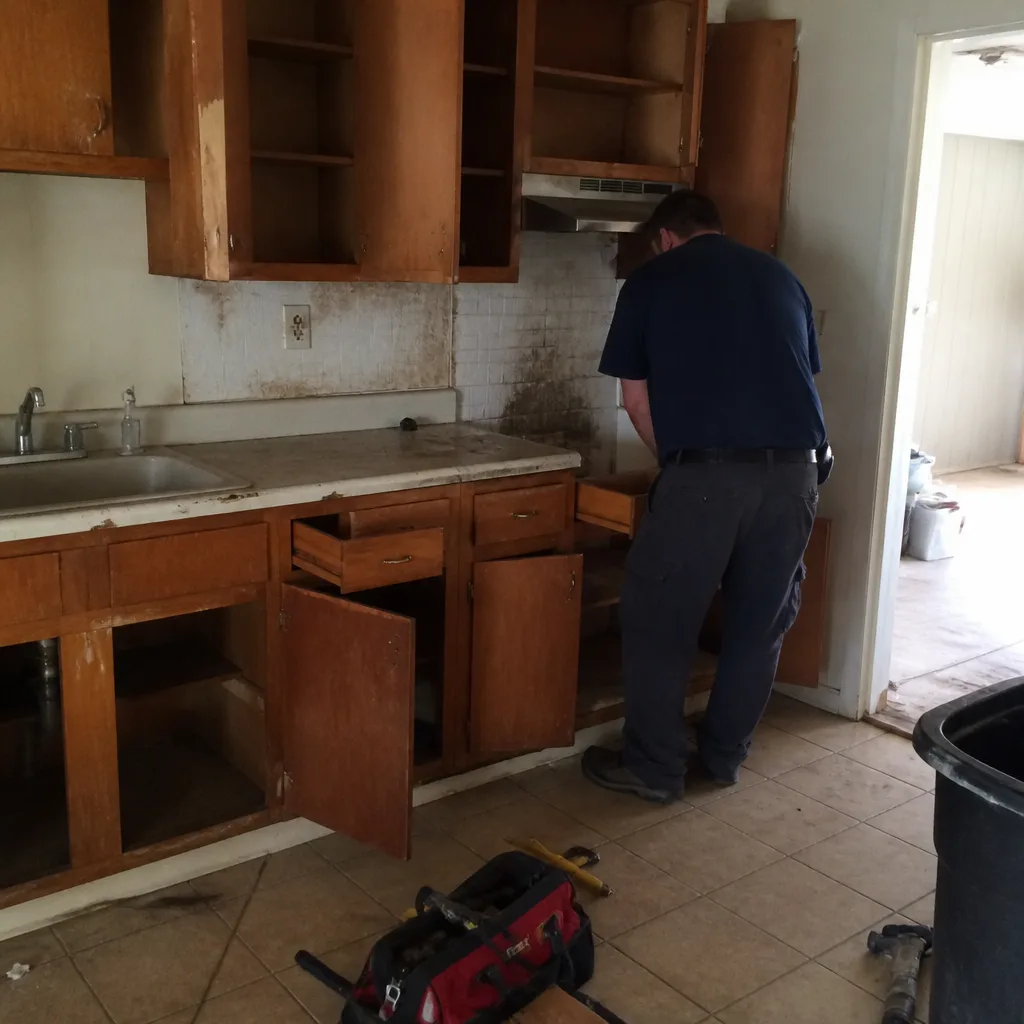 Before
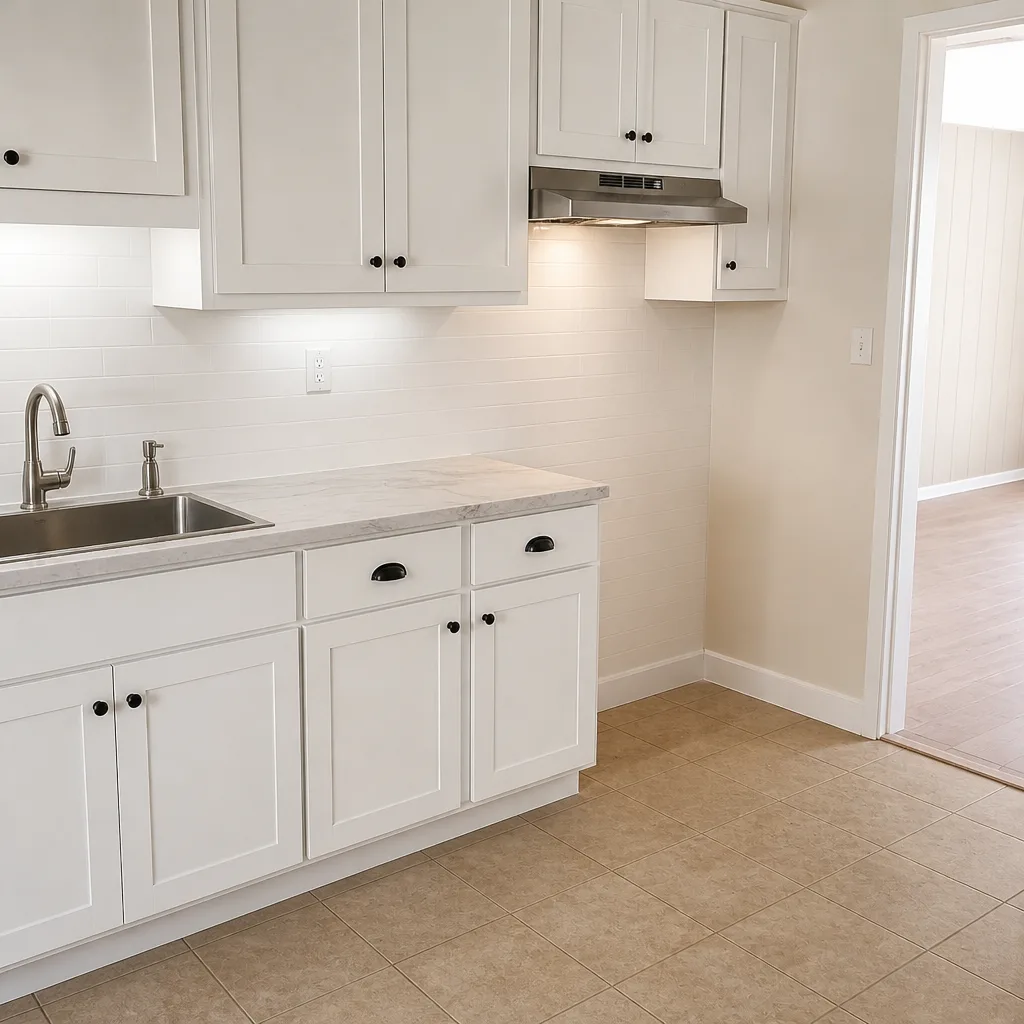 After
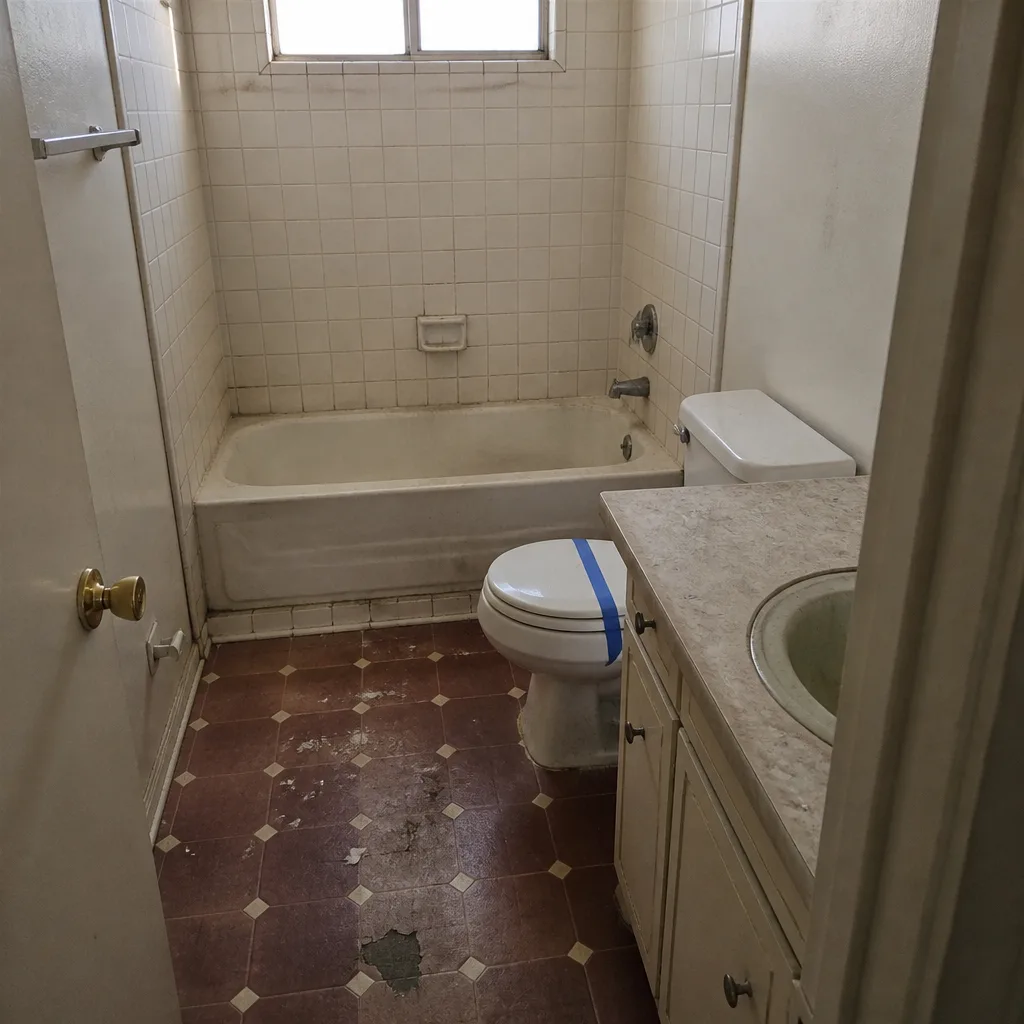 Before
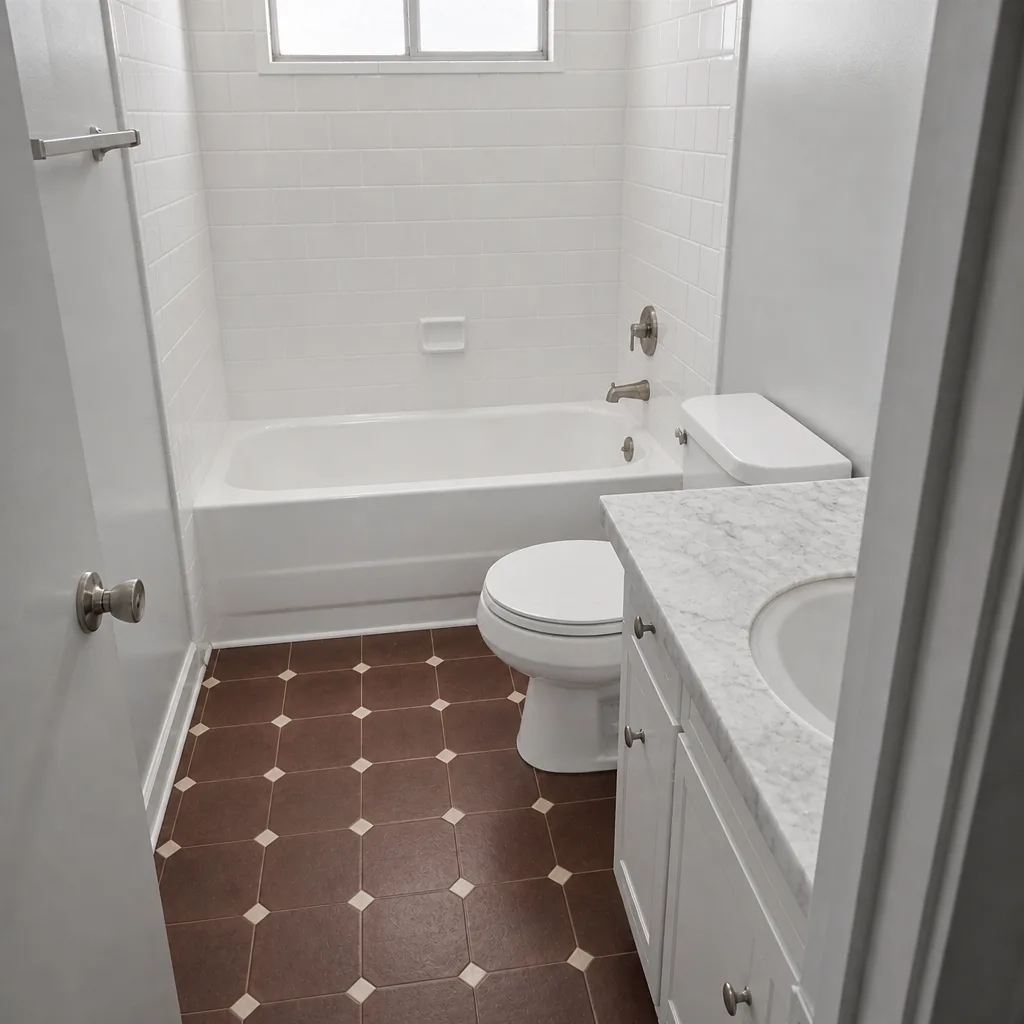 After
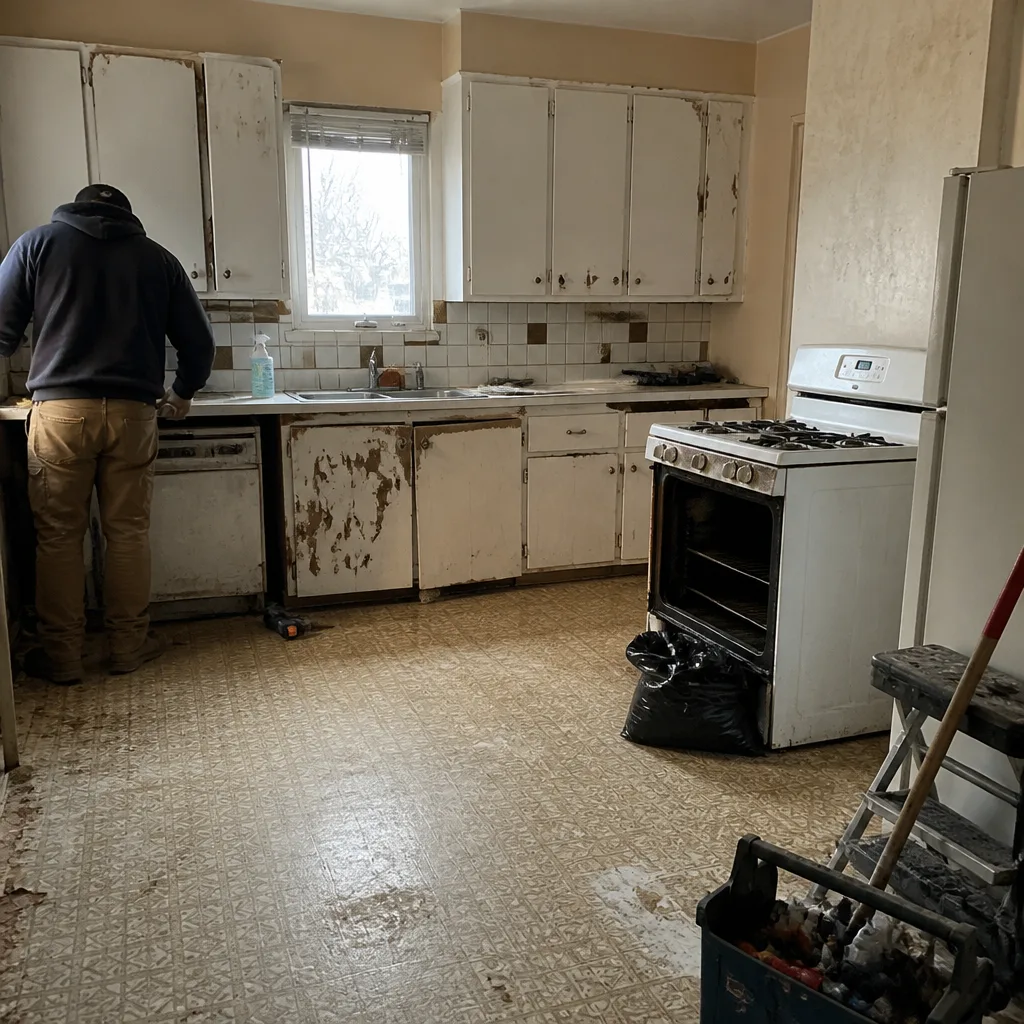 Before
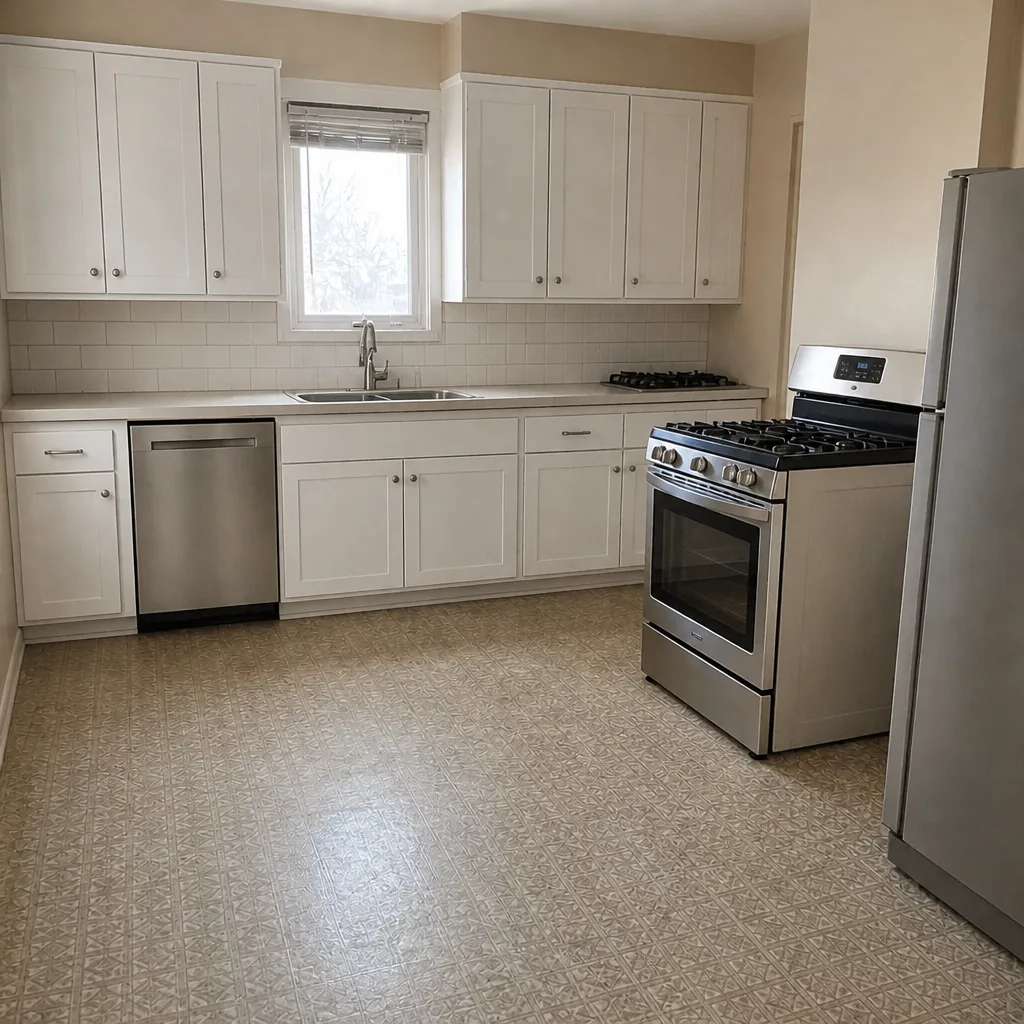 After
When to Call a Professional
Most of this checklist is safe to run on your own: walk the perimeter, photograph, log, replace a filter. The dangerous line is structural diagnosis and repair. If you find a stucco crack that keeps growing, a grading problem that keeps pooling, an air handler closet with moisture staining, or drywall that’s soft at the base of the wall, that’s when the checklist becomes a call.
The other trigger is pretty simple: if you’d be guessing what the underlying cause is, stop guessing and get a professional set of eyes. In Winchester, that means someone who’s actually opened up the same wall you’re looking at. Sawyer Remodeling Winchester offers free estimates in Winchester – call (888) 343-7097. Every estimate comes with a written price before any work starts, and our technicians have up to 21 years of experience with the same climate and the same construction patterns you’ll see on your street.
Our team answers the phone around the clock, and every technician is background-checked and uniformed, so you know exactly who’s walking up to the front door before they arrive. Browse the Sawyer Remodeling Winchester home page to see the full Sawyer Remodeling Winchester home – our home page – or learn more about bathroom and kitchen work on our service pages.
Frequently Asked Questions

A maintenance walk-through in Winchester typically runs $0 to $350, and many contractors offer it free when you’re considering a repair or remodel. It’s best to ask for a written inspection report and a written price on any repair before you say yes. Call (888) 343-7097 to schedule a free estimate.
At minimum, inspect exterior sealant every season and recaulk wherever it’s opened, dried, or cracked. In Winchester, UV exposure on south and west walls accelerates sealant failure, so annual checks are the smartest routine. If you’d rather have a professional assess every window and door in one visit, call (888) 343-7097 for a free estimate.
After each major monsoon event, walk the perimeter and check for standing water, soil washout, and any grade that now slopes toward the house. Fixing a small settled section seasonally is a few hundred dollars; repairing a foundation issue is five figures. Call (888) 343-7097 for a free grading and drainage assessment.
Usually not. Insurance typically covers sudden or accidental damage, not damage from a maintenance issue you knew about and didn’t correct. This is exactly why dated quarterly photos and a written maintenance log matter. Call (888) 343-7097 and we’ll help you build that log as part of a free estimate visit.
Water intrusion at the top of exterior walls: stucco cracking, window flashings that failed, and grading that pushes water toward the foundation. In tight-built newer Winchester homes, the big one is air handler condensate moisture in sealed utility closets. Both are catchable with a seasonal check and photographs. Call (888) 343-7097 to schedule an inspection.
Budget $1,200 to $2,500 per year for the checklist categories in this guide: exterior sealant and stucco repairs, grading corrections after monsoon, HVAC maintenance, and small plumbing fixes. Doing those on schedule is far cheaper than the five-figure failures they prevent. Call (888) 343-7097 for a free estimate and a written annual maintenance plan.
The Bottom Line
The difference between a home that stays quiet and a home that sends you a $6,000 bill in spring isn’t luck. It comes down to five things every year: the building shell, thermal expansion gaps, roof flashing, grading, and moisture at the air handler. Those are the five a general contractor checks first. In Winchester’s climate – stucco-melting summers, monsoon downpours, tight construction – those five items decide whether you’re patching a $400 caulk line or replacing a floor.
Start with a walk of the perimeter this weekend. Photograph everything, log it, and set a quarterly reminder. If you’d rather have a trained eye on it, Sawyer Remodeling Winchester offers a free estimate and a written plan for exactly what needs attention in your home. Call (888) 343-7097 today.
Written by the team at Sawyer Remodeling Winchester.