Last updated November 18, 2026
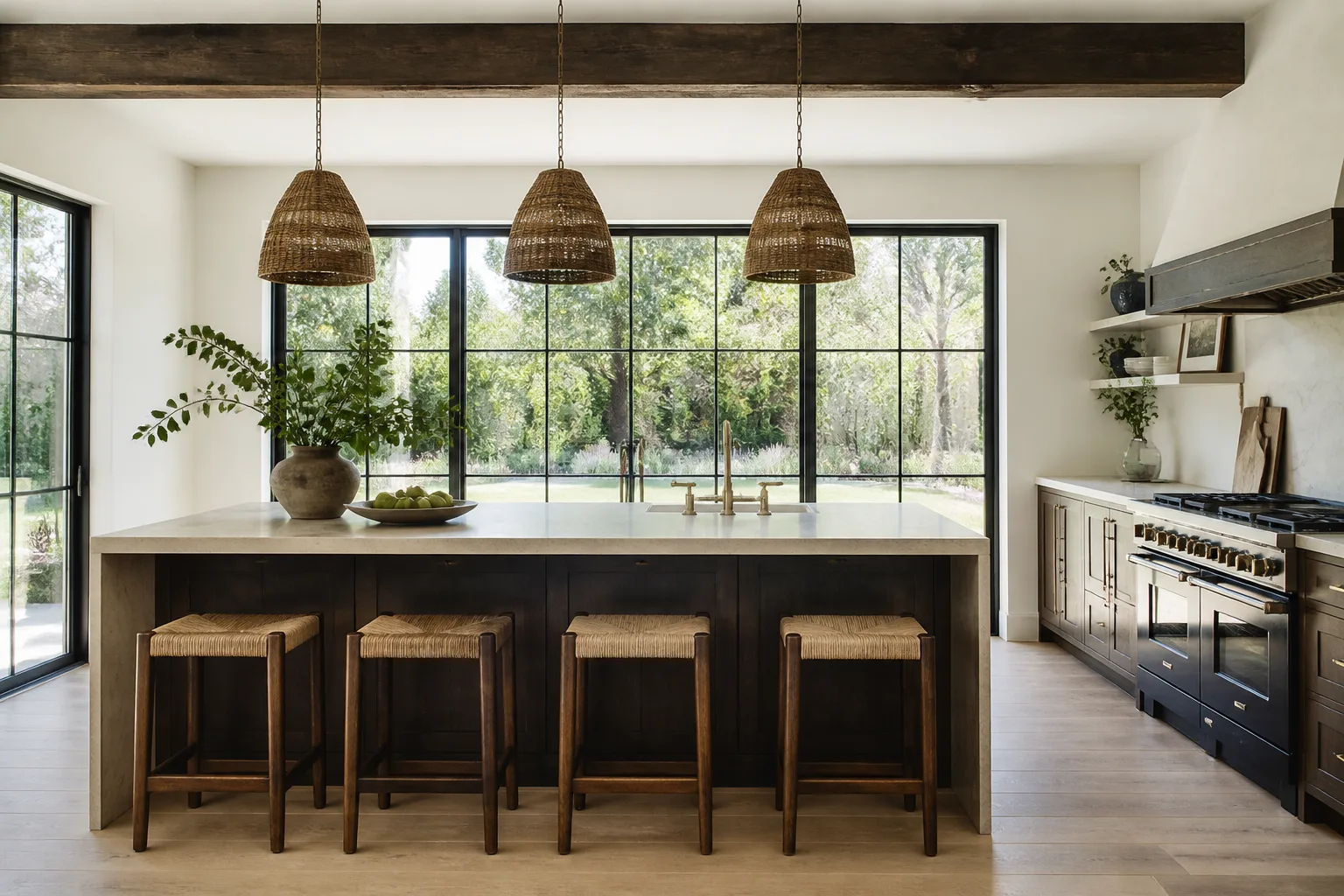






Free written scope consultation - allowances, timeline, and change-order rules on paper before a single trade is scheduled
Kitchen Remodeling Warning Signs Every Homeowner Should Know
A contractor who gives you a verbal estimate “just to get the ball rolling” has already told you everything you need to know about how the invoice will look. We’ve watched a lot of kitchens go sideways in Winchester, and almost none of the damage happened at the saw. It happened in the first conversation, the first quote, the first text message that never got answered. The most expensive problems in a kitchen remodel are behavioral, not material. This guide teaches you to read a contractor’s business habits the same way you read a tile sample. You’ll learn what to watch for at the quote stage, what to watch for mid-project, and how to spot shortcuts on work that’s already finished.
Quick Answer
The biggest kitchen remodeling warning signs are vague or verbal pricing, “allowances” and “TBD” language in the contract that lets a low bid balloon later, slow or evasive communication, and a contractor who can start immediately during peak season. A contractor who won’t put a firm written price in your hands before work begins is telling you the invoice will be a surprise. In Winchester, where summer heat and a fast-moving resale market push remodel schedules hard, those early red flags tend to turn into expensive change orders.
Styles & brands we work with
- Kitchen remodeling
- Bathroom remodeling
- Home additions & ADU
- Roofing
- Windows & doors
- Driveway & pavers
- Fence
Table of Contents
- Warning Signs in the Quote Stage: Before You Sign Anything
- The Three Contract Words That Signal a Ballooning Bid
- Why “We Can Start Monday” Is a Warning Sign in Peak Season
- Reading Communication Patterns: Response Time, Photos, and Change Orders
- Mid-Project Warning Signs You Should Never Ignore
- A Physical Inspection Checklist for Work Already Completed
- Winchester-Specific Red Flags: Heat, Codes, and Cheap Materials
- When to Call a Professional
Warning Signs in the Quote Stage: Before You Sign Anything
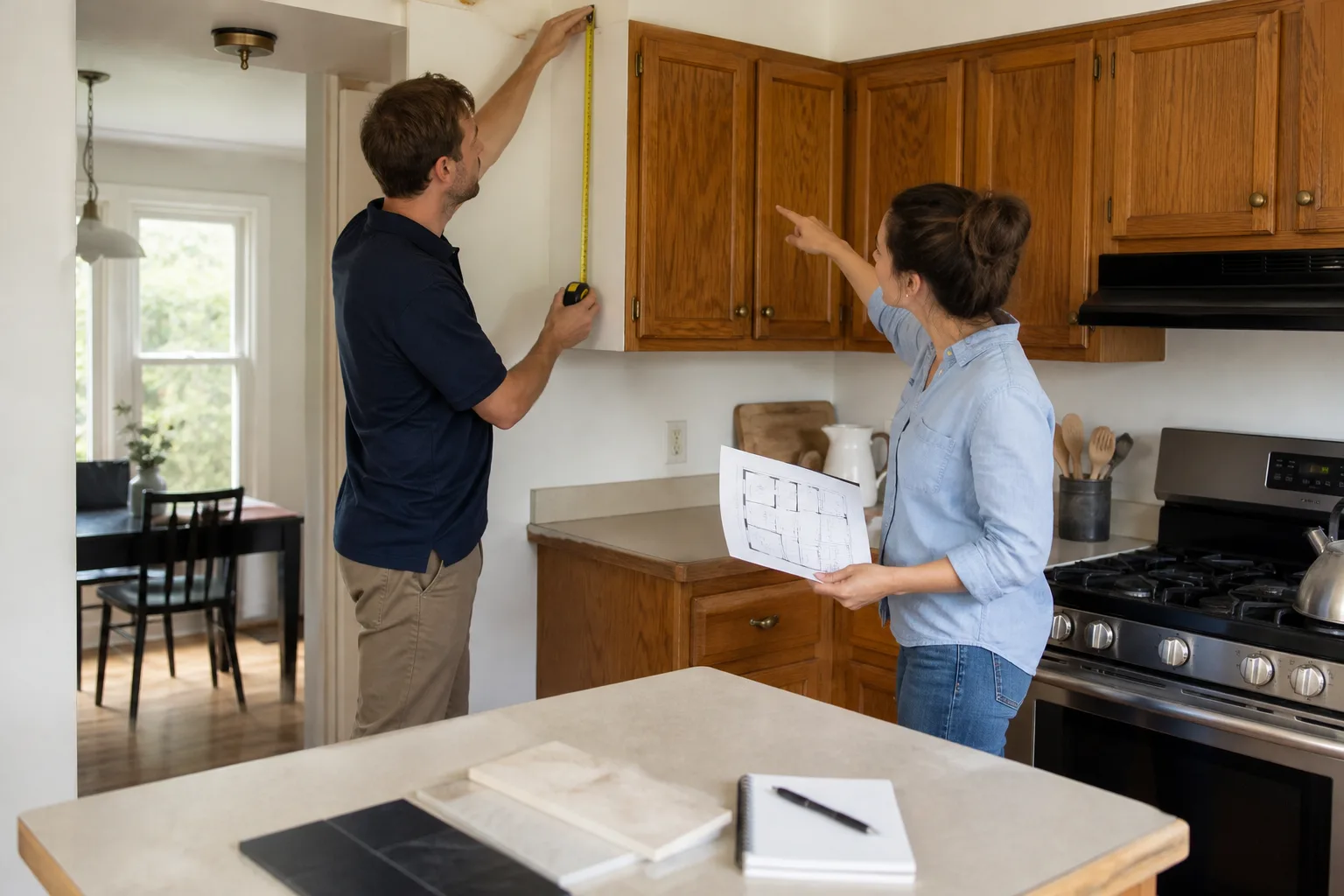
The quote stage is where a remodel is won or lost. A written, line-item price before any work starts isn’t a perk; it’s the baseline, and a contractor who resists it is showing you their hand. In our experience across Winchester, the quote is the single best predictor of how the whole job will run. Watch for these behaviors before you sign:
- Verbal estimates only. “I’ll ballpark it now and get you a number later” is a classic. A ballpark is not a price, and later never comes with a firm figure attached.
- A single lump-sum number. Real quotes break out demo, cabinetry, countertops, plumbing, electrical, labor, and permits. One grand total with no detail hides where costs will grow.
- Pressure to sign fast. Scarcity language like “this price is only good today” is a sales tactic, not a business practice.
- No permit talk. If the contractor waves off permits, ask why. Permitted work protects you at resale and when you sell your Winchester home.
- No written guarantee. Ask what happens if something fails after the job closes. If there’s no answer in writing, there’s no guarantee.
When you’re comparing bids, read them for what’s included as carefully as for the total. A written price that lists every line tells you the contractor has thought through the whole kitchen. That’s the same standard we hold ourselves to on every kitchen remodeling in Winchester project, and it’s a fair thing to expect from anyone you hire.
The Three Contract Words That Signal a Ballooning Bid
Some warning signs aren’t behavioral at all; they’re hiding in the contract language. Three words in particular tell you a low bid was designed to grow after you’ve committed. Learn them before you sign anything.
- Allowance. An “allowance” is a placeholder budget for materials the contractor hasn’t priced yet. A $2,000 countertop allowance sounds generous until you pick the stone you actually want and the real number is $6,000. The difference lands on your invoice. A fair quote prices real selections, or states the allowance clearly and explains how overages are handled.
- TBD (to be determined). “Plumbing rough-in TBD” or “cabinet install TBD” means the contractor hasn’t figured out the scope. That gap becomes a change order the moment work starts. On a proper quote, nothing structural is TBD.
- “Per owner selection.” This phrase pushes a material decision onto you with no ceiling. The contractor can price a job artificially low, then the true cost of your selections arrives later, often after demo has already exposed walls and you have no leverage.
Compare any two bids by these three filters and you’ll often find the “cheaper” one is the more expensive project. The written price should be the price you approve, on the line items you can actually read. Across Winchester, we’ve seen homeowners lose thousands to allowance creep on a single kitchen. It’s the most avoidable loss in the business.
Why “We Can Start Monday” Is a Warning Sign in Peak Season
The counterintuitive one: a contractor who can start immediately in peak season is usually a bigger risk than one with a six-week wait. Kitchen remodeling runs on a schedule of busy trades. In spring and summer, good contractors are booked out. If someone is suddenly free next week and eager, ask yourself why.
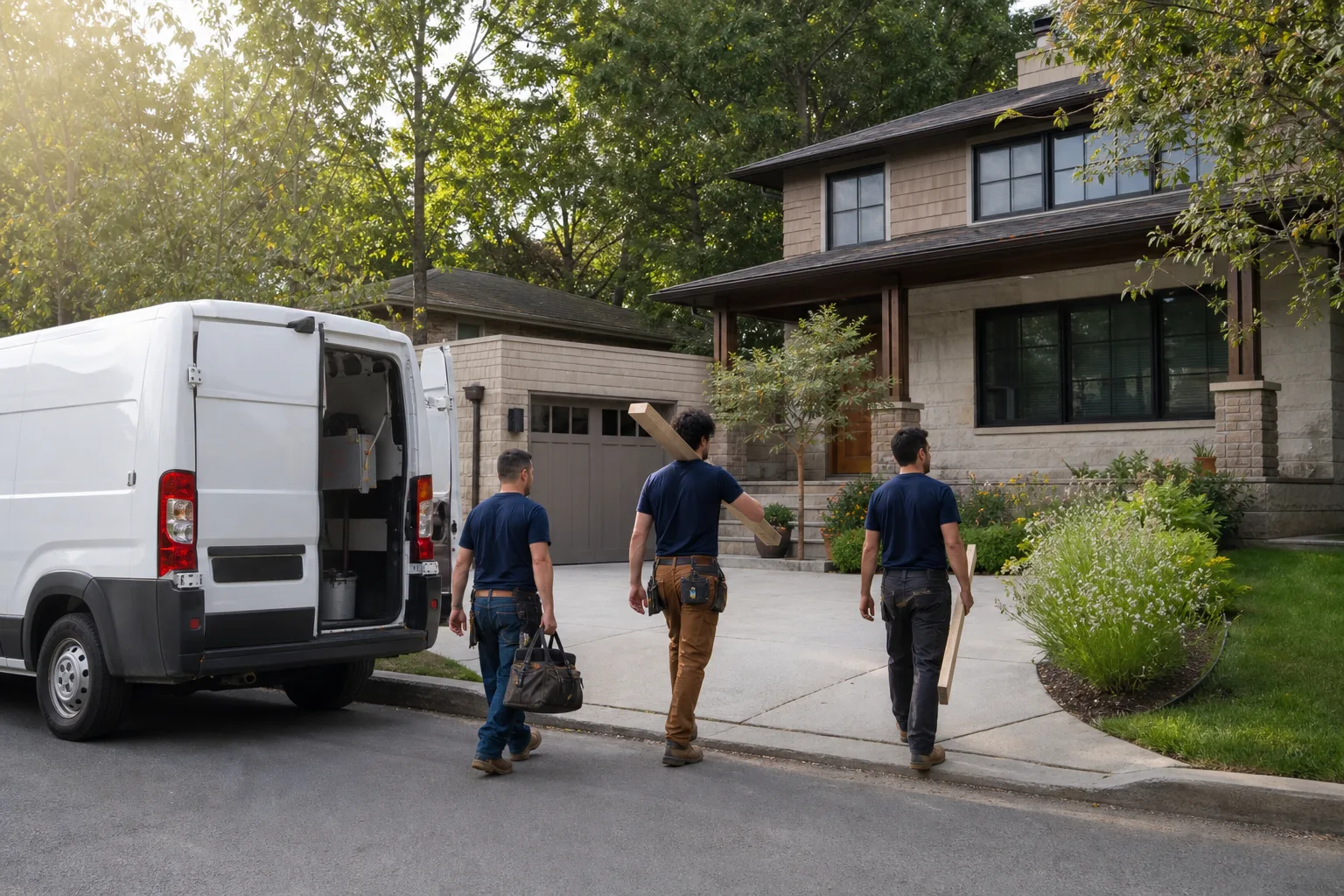
The reasons are rarely good. It can mean their last job walked off mid-project, they have no backlog, or they’ll subcontract your kitchen to whoever’s available and then take another job themselves. A firm, dated schedule shows you the contractor plans their work instead of chasing it. A six-week wait with a written start date and a line-item price is a sign of health, not a reason to worry. During peak season in Winchester, where summer heat pushes crews to start early and pace themselves, that booking pattern holds true.
Ask two plain questions: “What’s your next available start date?” and “Who will actually be in my kitchen, and are they background-checked?” A contractor who answers both clearly, in writing, is worth the wait. A contractor who dodges those questions is telling you something. Schedule pressure is one of the most reliable early warnings in the trade. Start with a written estimate and a firm date, never a handshake and a Monday promise.
Reading Communication Patterns: Response Time, Photos, and Change Orders
Communication is a leading indicator. How a contractor handles texts, photos, and change orders before the job starts is how they’ll handle them mid-remodel, once your appliances are on the driveway and the fridge is unplugged.
- Response time. A contractor who takes three days to answer a pre-sale question will take longer to answer a change-order question mid-build. Set a reasonable bar: same-day acknowledgment during business hours, and a live person on the phone when schedules slip.
- Photo habits. Ask whether you’ll get photos of the work in progress, especially behind the walls. A contractor with no photo habit has no way to prove what’s behind the drywall, and neither do you.
- Change-order handling. Ask how a mid-project change gets priced and approved. A fair process means a written change order with a price before the work happens, signed off in writing. A text saying “this added a bit” is not a process.
- Arrival time. Ask whether you get a live arrival window or a four-hour “sometime today” range. Precision signals respect for your schedule.
The standard we run every job against, The Relay Visibility Guarantee, is built on exactly these habits: a written price before work starts, a live arrival time, and before-and-after photo updates. You don’t have to get that from us specifically. You should expect it from anyone you hire. If a contractor can’t tell you how they’ll keep you informed, they haven’t thought about it, and that lack of thought will show up in week three.
Mid-Project Warning Signs You Should Never Ignore
Once demo has started, the stakes rise. Some signs are early, some are tragic in hindsight. Address these the day you spot them, in writing.
- Surprise costs after demo. A change order is normal when a wall reveals water damage, but the price and scope should be shown to you in writing before the next step. A running verbal “we’ll sort it out” is a red flag.
- Trades disappearing. If the same crews show up late, leave early, or vanish for days with no explanation, the schedule is broken. Ask for a revised written schedule.
- No documentation behind walls. Before the drywall goes up, you should have photos of electrical and plumbing rough-in. If nobody’s taking them, that’s your cue to ask.
- Materials that don’t match the quote. Mystery cabinets and unspecified countertops are a financial risk. Named brands with manufacturer backing are a sign the contractor is being straight with you. We hold to brands like KraftMaid and Wellborn cabinetry and Cambria and Caesarstone countertops, and the name on the box should match the name on your contract.
- Permits that never appear. If the contractor told you permits were pulled, ask to see them. If inspection hasn’t been scheduled, that’s a project problem, not a paperwork delay.
Every flag here points to the same root cause: a contractor who didn’t put a plan in writing. In Winchester, we treat mid-project surprises as a conversation about scope, never a shrug. That honesty needs to come from whoever you hire.
A Physical Inspection Checklist for Work Already Completed
Some shortcuts are visible with your own eyes. Walk the kitchen with a level, a flashlight, and this list, and you can catch problems a good contractor would never leave behind.
- Demo and framing. Look for studs that weren’t replaced after cutting and blocking that was skipped where cabinets hang. Check that old drywall edges were trimmed clean rather than patched over.
- Rough-in. Look behind the walls before they’re closed. Electrical boxes should sit plumb and flush. Plumbing lines should be strapped and supported. Evidence of patched-over damage should stop you cold.
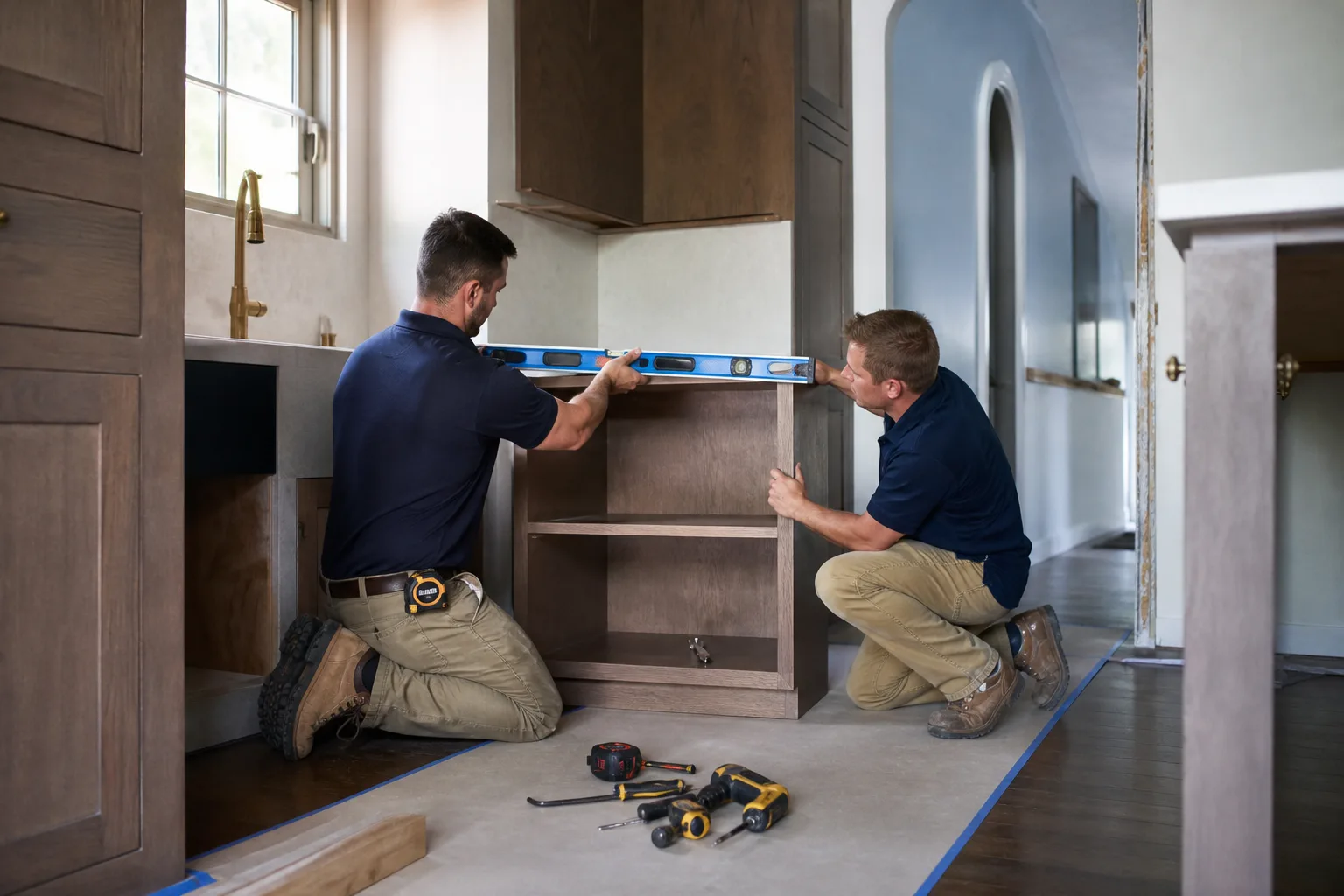
- Level and plumb. Set a level on the countertops and cabinet runs. Doors that swing or cabinets with uneven reveals point to framing that was thrown together.
- Tile and grout. Run your hand across the backsplash. Look for lippage (tiles at different heights) and for the metal trim that waterproofs where the tile meets the counter. In Winchester’s dry heat, gaps and cracks show up fast.
- Caulk and weather-sealed edges. Windows over the sink and seams at the sill need clean caulk lines. Gaps let our summer dust and heat straight into the wall cavity.
- Finish details. Check cabinet doors for consistent reveals, sink edges for clean silicone, and outlets for flush plates. Slop at the finish usually mirrors slop behind the walls.
If you find more than a couple of these, get a second opinion in writing. The general contractor in Winchester who built it should answer for it, and so should anyone else you consider next time.
Winchester-Specific Red Flags: Heat, Codes, and Cheap Materials
Some warning signs show up only because of where you live. A contractor who doesn’t ask about local conditions is telling you something too.
Winchester’s desert climate tests a kitchen. Exterior-facing walls near the sink get real heat load, and wood cabinets with poor humidity control can show up as warped doors within a year or two. A contractor worth hiring will talk about cabinet grade, expansion gaps in stone, and ventilation, not just color. If nobody mentions heat, sun exposure, or ventilation for a range hood in a kitchen with an exterior wall, ask why.
Local permits and code are another filter. Ask any contractor a plain question: “Will you pull the permits, and will you pass inspection?” Ask them to put it in writing. A bid that skips permits to look cheaper is a bid that bets on you not selling. In Winchester, a home that went through a permitted remodel with inspection records is easier to move and worth more on paper. If the contractor waves off that question, the signals are there.
Materials are the last local check. During our hot summer, a kitchen exposed to sun through a west window has no margin for cheap surfaces. Named, manufacturer-backed brands like those from Cambria, Silestone, and Caesarstone, and fixtures from Kohler, Moen, and Grohe, give you a warranty and a known product. Mystery supplier materials deliver neither. One more sign worth reading: a contractor who skips the light fixture or roof tie-in details on a whole-home job, where partners like GAF, CertainTeed, or Owens Corning would matter, is likely cutting corners in the rest of the house too. If the rest of the home is part of the plan, a Sawyer Remodeling Winchester home guide can help you line up the larger project with the kitchen work.
Common Mistakes to Avoid
- Choosing the lowest bid without reading it. The low number is usually the one with the most allowances and TBDs. Compare line items, not totals.
- Accepting a verbal estimate. If it isn’t in writing before work starts, it isn’t a price. It’s a guess you’ll pay for later.
- Ignoring a slow responder. Communication speed before the sale is communication speed during the job. Three days to answer a question is a three-week problem mid-build.
- Skipping the permits question. In Winchester, unpermitted work surfaces at resale and usually costs more to fix than to do right the first time.
- Signing a contract with no finish schedule or change-order process. You can’t hold a contractor to a process that was never written down.
- Assuming “start Monday” means you’re lucky. In peak season it usually means the contractor has no backlog and maybe no track record.
- Not photographing the work behind the walls. Once drywall goes up, so does your ability to prove what’s underneath. Insist on photos.
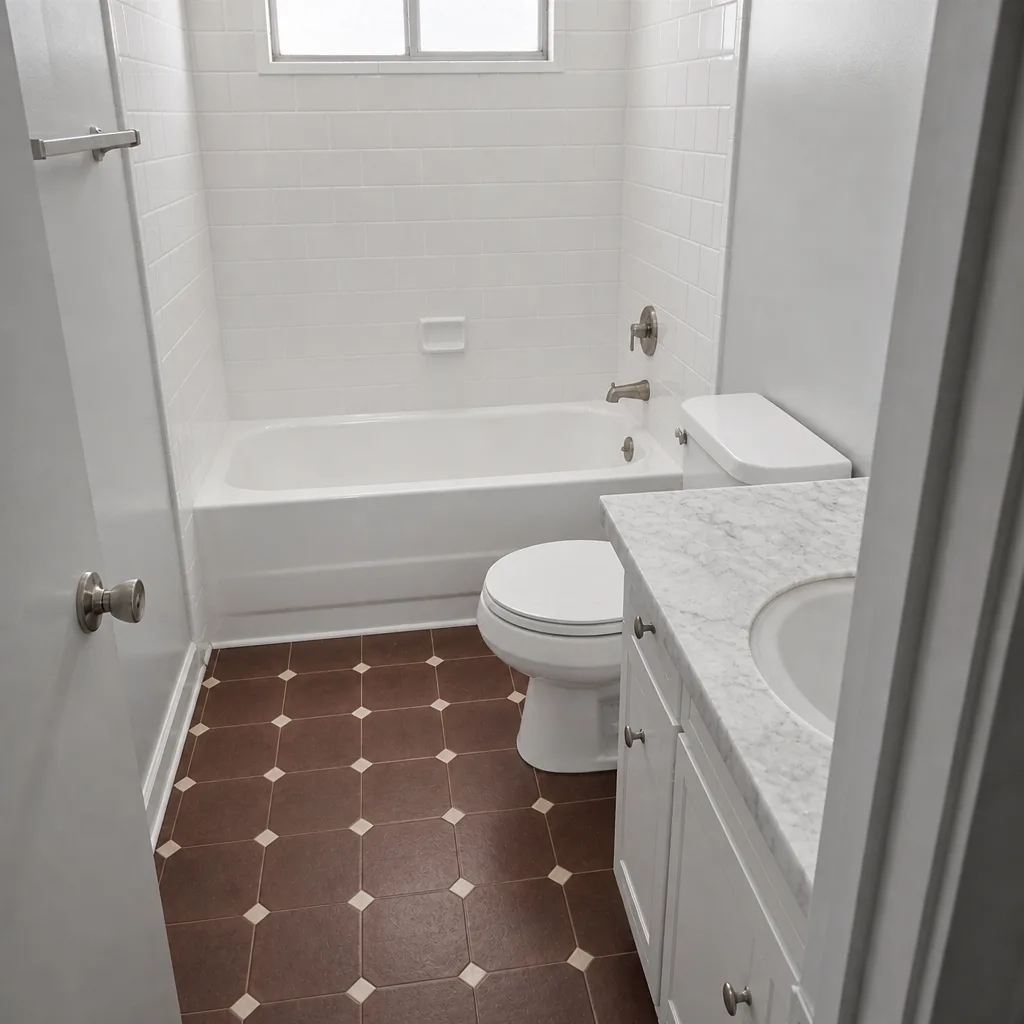
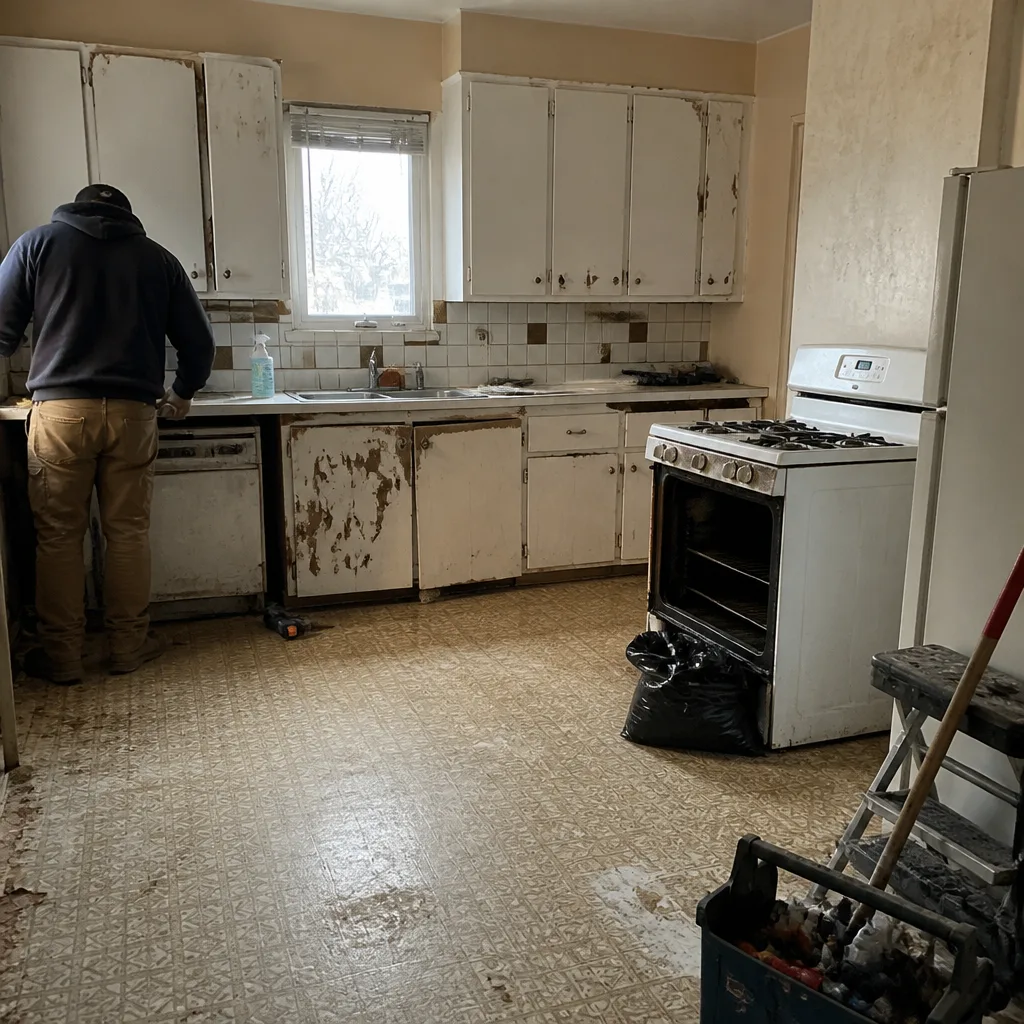
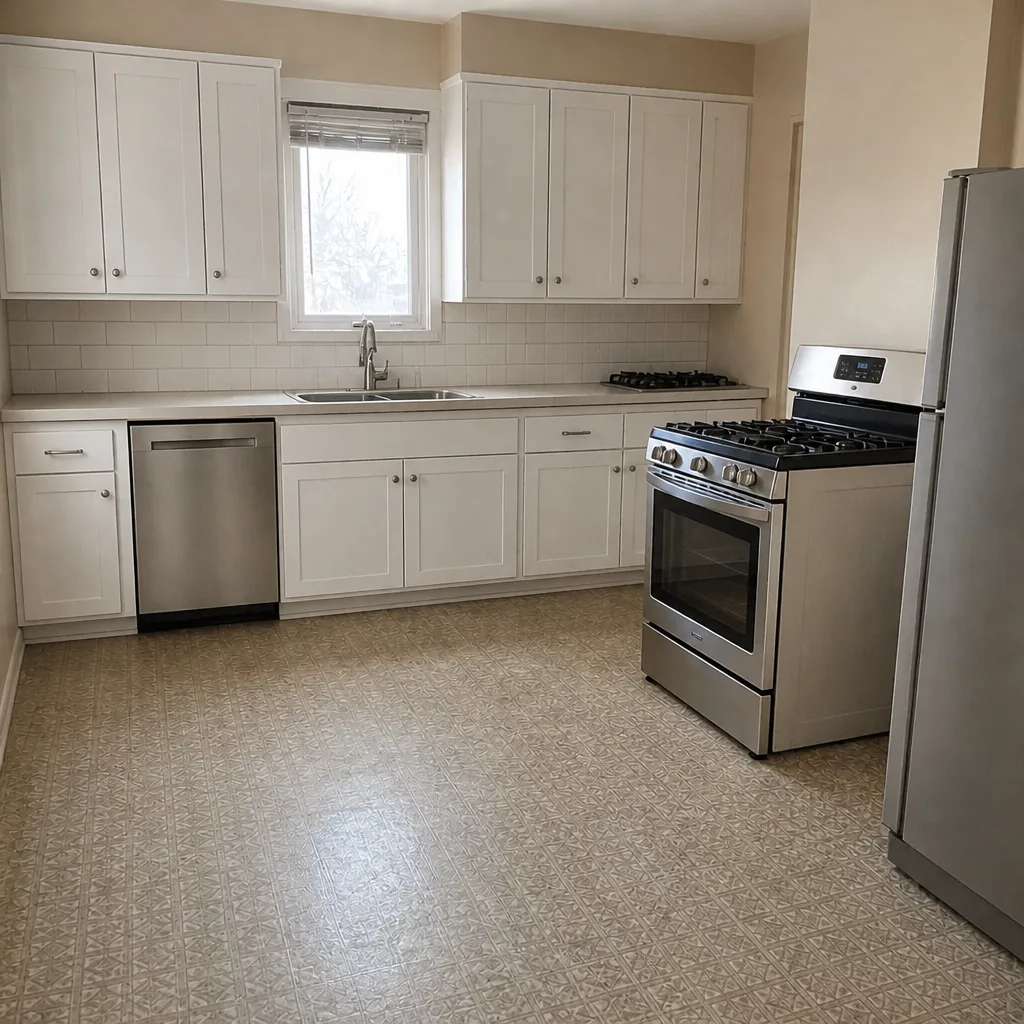
See the difference
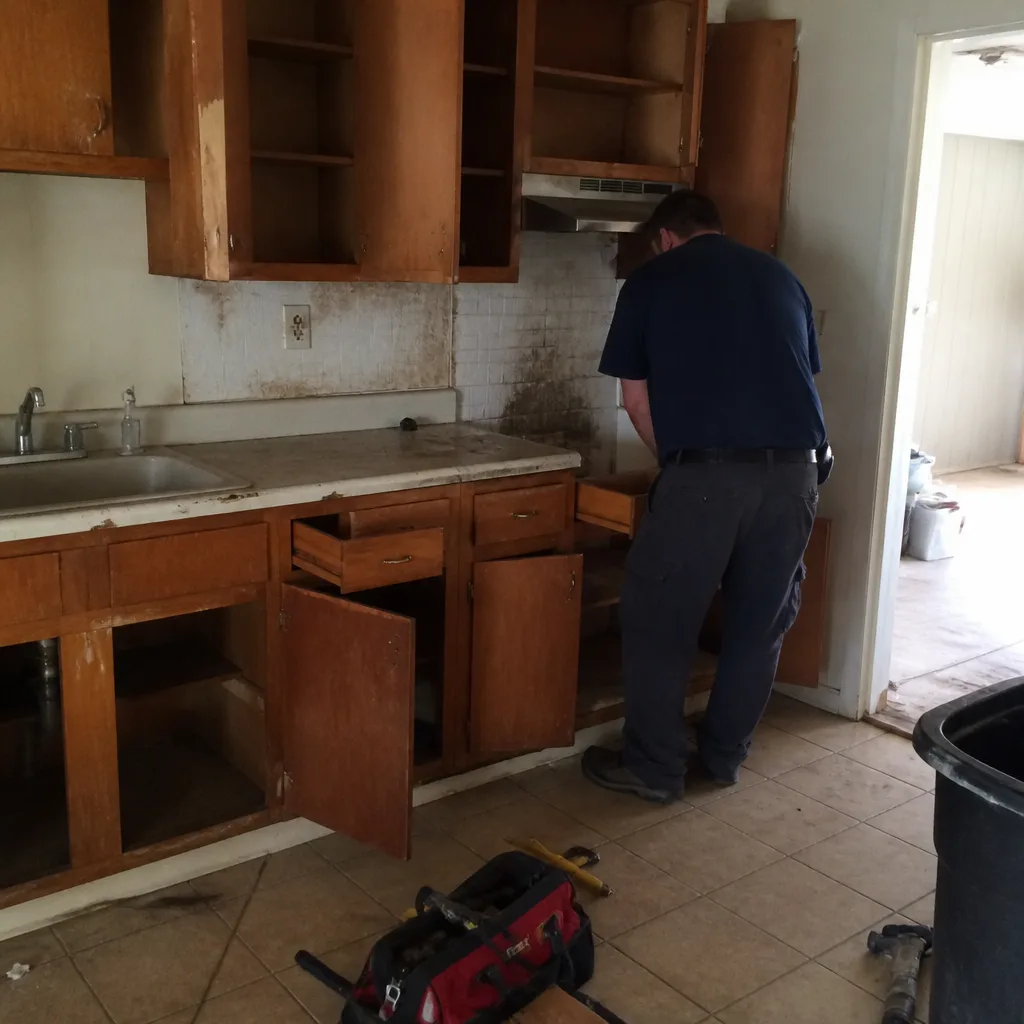 Before
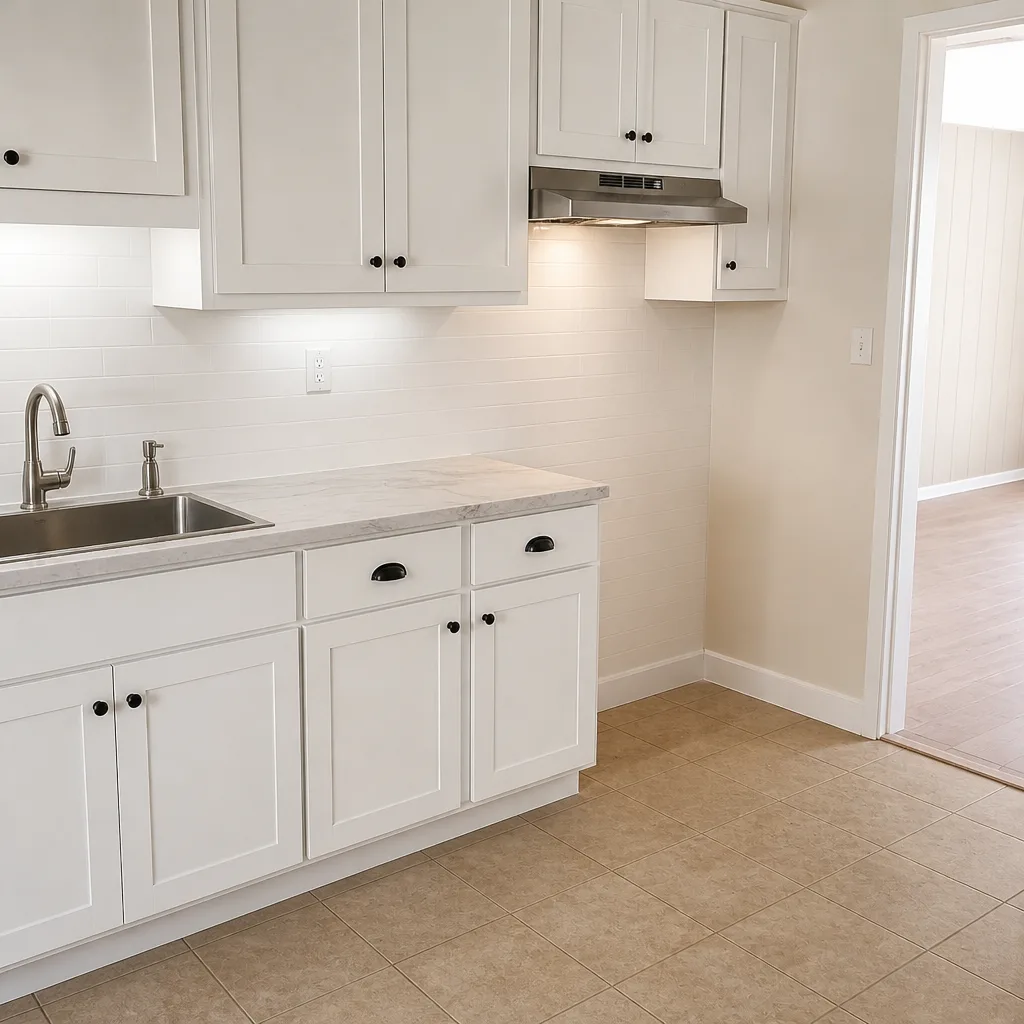 After
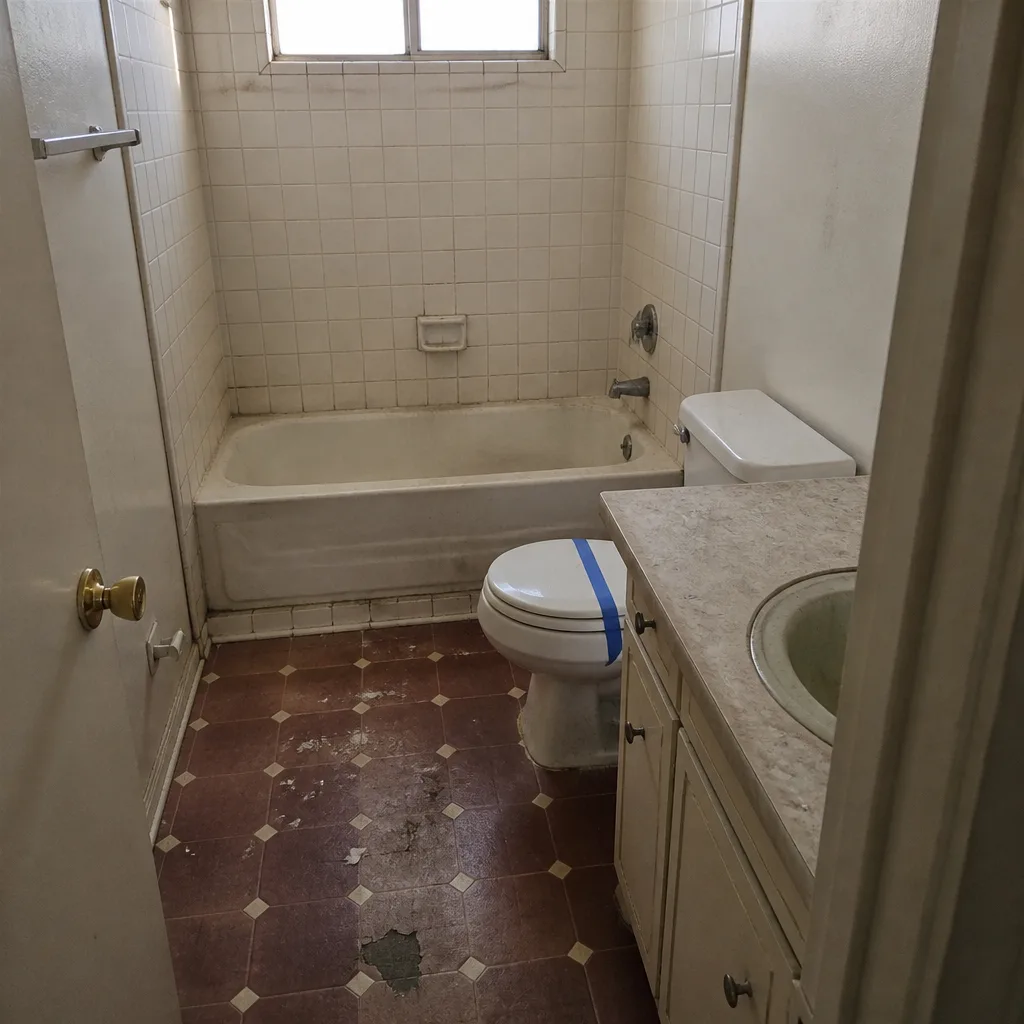 Before
 After
 Before
 After
When to Call a Professional
Call a professional before you sign anything, and call one again the moment you see warning signs you can’t explain away. Specific scenarios: a bid with allowances or TBDs, a contractor who won’t confirm permits in writing, surprise change orders after demo, water staining or failing tile after a walk-through, and cabinets or countertops that don’t match the contract. Those are the moments where a second written opinion pays for itself. You shouldn’t be the one diagnosing behind-the-wall shortcuts when a trained eye can catch them in twenty minutes. Sawyer Remodeling Winchester offers free estimates in Winchester – call (888) 343-7097 to talk through your kitchen and get a written, line-item price before any work begins. The local pro we connect you with is licensed and insured as Nevada requires. If you’d rather price the rest of the house too, our bathroom remodeling in Winchester page runs the same process.
Frequently Asked Questions
The biggest red flag is a verbal estimate or a lump-sum bid with no line items. If the contractor won’t put a firm written price in your hands before work starts, the invoice will likely be a surprise. Call (888) 343-7097 for an exact written quote – estimates are free.
An allowance is a placeholder budget for materials that haven’t been priced yet, and it usually leads to a later overage on your bill. If you see an allowance, ask for the real number and how overages get handled in writing. A written price you approve upfront is the fix – call us for a free estimate.
In peak season, an immediate start usually means the contractor has no backlog, not that you’re lucky. Good kitchens take a firm, dated schedule and a booked calendar. Ask for a written start date and who will actually be in your kitchen. Call (888) 343-7097 to price a project with a schedule you can plan around.
Walk the kitchen with a level and a flashlight and check for unblocked cabinet runs, patched-over old drywall, and plumbing or electrical rough-in that shows signs of shortcuts. Photographs of the wall cavities before drywall are your best proof. Call (888) 343-7097 to schedule an inspection before your walls close up.
Yes, most kitchen remodels in Winchester that move plumbing, electrical, or structural walls require permits and an inspection. Ask any contractor to confirm in writing that they’ll pull permits and pass inspection. Unpermitted work surfaces at resale and costs more to fix later. Call (888) 343-7097 for a free walkthrough.
It shouldn’t unless you approved a change order in writing. Any added cost should come to you as a written change order with a price before the work happens, never a verbal note. The number on the invoice should be the number you approved. Call (888) 343-7097 to get a fixed written price and no surprise changes.
The Bottom Line
The most expensive kitchen remodeling mistakes happen in the first conversation, not the last. A written line-item price before work starts, confirmed permits, a firm start date, and a contractor who answers messages fast and puts decisions in writing are the four filters that catch almost every problem before it costs you. Behavior tells you everything: a verbal estimate is a warning, an allowance is a warning, and a peak-season “start Monday” is a warning too. Read the business behavior as carefully as the tile. Get the price in writing, get the process in writing, and you’ll keep the kitchen you planned. Ready to see a written price and a schedule you can trust? Call (888) 343-7097 for a free estimate with Sawyer Remodeling Winchester. A written price lands in your hands before any work starts, and the number on your invoice will be the number you approved.
Written by the team at Sawyer Remodeling Winchester.