Last updated November 18, 2026





Free written scope consultation - allowances, timeline, and change-order rules on paper before a single trade is scheduled
Construction Emergency Preparedness Guide for Winchester Homes
Winchester sits roughly 30 miles from active fault lines and gets surprise freeze events every few winters. Most homeowners here find out their emergency plan has gaps at exactly the wrong moment: the pipe bursts at 2 a.m. in January, the roofline lifts in a gust coming off the Spring Mountains, and nobody knows where the water shutoff is or which number to call. This guide covers the real hazard profile for Winchester homes, the first-60-minutes playbook that limits damage, how to document losses so insurance pays, how to spot a storm-chaser, and the pre-event hardening that keeps a bad week from becoming a bad year. Mention Winchester once. Done.
Quick Answer
Construction emergencies in Winchester most often come from flash flooding in the washes, freeze-induced pipe failures during desert cold snaps, high-wind damage to roofs and siding, and seismic movement from nearby faults. The first 60 minutes decide how much water, wind, or structural damage you absorb and how cleanly your insurance claim goes. Have shutoffs mapped, a documentation kit ready, a vetted emergency contractor saved in your phone, and the hardening done before the event, not after.
Styles & brands we work with
- Kitchen remodeling
- Bathroom remodeling
- Home additions & ADU
- Roofing
- Windows & doors
- Driveway & pavers
- Fence
Table of Contents
- Winchester’s Actual Hazard Profile, Ranked
- The First 60 Minutes of a Construction Emergency
- Documenting Structural Damage for Your Insurance Claim
- How to Vet an Emergency Contractor in Winchester
- Pre-Event Hardening Checklist for Winchester Homes
- Seismic Exposure: The Risk Most Locals Forget
- Winter Freeze Events and Burst Pipes
- After the Emergency: Rebuilding Right
Winchester’s Actual Hazard Profile, Ranked
Most generic emergency advice is written for hurricane country or the tornado belt. Winchester has its own hierarchy of risk, and it doesn’t match what national checklists assume. Here’s how the hazards actually rank by realistic probability for a typical Winchester home:
- Flash flooding. The desert doesn’t absorb rain, it sheds it. Summer monsoon cells dump an inch in under an hour and the water channels through the washes and low-lying streets. The 2014 flood event that swamped the region is the reference point many longtime Winchester residents still use. Homes near drainage channels and older neighborhoods with undersized storm infrastructure are most exposed.
- Freeze events. Winchester gets hard freezes that drop into the teens every couple of winters. Pipes in exterior walls, garage walls, and uninsulated attics are the usual casualties. A freeze that lasts 12 hours or more is when you see the burst.
- High-wind damage. Sustained winds and gusts coming off the west side of the valley peel back shingles, lift older fascia, and tear siding. Roof-to-wall connections on homes built before the 1990s are the weak point.
- Seismic exposure. Roughly 30 miles from active faults, Winchester sits in a region most homeowners treat as earthquake-free. It isn’t. The risk is lower probability than the others, but it’s higher consequence because nothing in the typical home is braced for it.
That ranking should drive your prep budget. Flood mitigation and freeze protection earn their money first. Seismic bracing comes after, but it isn’t optional if you plan to stay long-term.
The First 60 Minutes of a Construction Emergency
What you do in the first hour decides the size of the repair and the size of your claim. Here’s the playbook:
- Stop the source. Water: shut off the main. Know where it is before you need it. Gas: shut off the meter valve if you smell gas, then get out. Wind or structural: don’t touch anything that’s load-bearing.
- Make it safe, not pretty. Kill power to any flooded area at the breaker. Board up a broken window or a lifted roof section if it’s safe from the ground, never from a ladder in active wind.
- Contain the water. Towels, buckets, a wet/dry vac. Move furniture and electronics out of the affected zone. Don’t pull wet carpet yourself if you plan to claim it.
- Photograph before you clean. Every angle, wide and close. We’ll cover the documentation in detail in the next section.
- Call your insurance carrier’s claims line. Report the event and get a claim number. You don’t need a contractor lined up to start the claim.
- Call a vetted emergency contractor. Not a door-knocker, not the first number in a search ad. The number you saved ahead of time.
One thing we’ve seen repeatedly in Winchester: homeowners who wait until morning to call lose the window to dry out the structure, and the mold sets in within 48 to 72 hours. That turns a $400 extraction into a $6,000 remediation.
Documenting Structural Damage for Your Insurance Claim
The written and photographic record you build in the first 24 hours largely determines what insurance pays. Here’s what a strong claim file looks like:
- Wide shots first. Photograph every room and exterior face from each corner. These establish the scope of the whole home before damage close-ups.
- Close-ups with a reference. Place a ruler, a coin, or a piece of paper with the date next to anything you measure. Water lines, cracks, and gaps all need scale.
- Video walkthrough with narration. Walk the home, narrate what you see and where you are. A 5-minute video is worth more than 40 stills for a water or wind claim.
- Written timeline. Note the date and time of the event, the time you noticed the damage, the time you shut off the water or power, and the time you called the plumber or contractor. Insurers ask for this.
- Keep damaged materials. Don’t throw out the wet drywall or the shattered window. Photograph it, bag a small sample, and keep the rest in a garage or yard until the adjuster has seen it.
- Receipts. Every fan you rent, every bucket you buy, every emergency call. Those are claimable in most policies.
In Winchester, sun angle matters for photographs. Morning light on a west-facing wall blows out the details; shoot that wall in the afternoon. Small thing, but it’s a real reason some claim photos come back rejected and others sail through.
How to Vet an Emergency Contractor in Winchester
Storm events bring contractors from out of state who are gone in a week. Here’s how to tell a legitimate emergency repair contractor from a storm-chaser:
- They show up with written documentation. A written price before work begins, a written scope, and a written guarantee. No exceptions, even in an emergency. A storm-chaser wants your signature on a blank scope and a large deposit.
- They have a local address they’ll put on the contract. Ask for the physical business address. A P.O. box or a hotel room isn’t good enough.
- They’re licensed and insured as the state requires. Ask for proof before they touch anything. This is where legitimate emergency contractors separate from the truck-and-a-magnet crowd.
- They photograph everything. Before, during, and after. The documentation protects you and the contractor both.
- They don’t demand a large cash deposit. Emergency repairs sometimes require a deposit, but it’s usually modest and paid by card or check, not cash in hand.
- They don’t rush you into a full rebuild. Emergency stabilization and the full rebuild are separate phases. A reputable contractor separates them clearly.
If you already have a relationship with a local contractor, that’s the person to call first. When you don’t, our team at Sawyer Remodeling’s general contractor page lays out how we operate and what to expect on the first visit. We also field emergency calls through a live person, not a voicemail box, which matters at 3 a.m.
Quick reference: emergency contractor red flags
- Shows up unsolicited after a storm and pressures you to sign that day
- No written estimate, or a “we’ll figure it out after” price
- Asks for full payment up front in cash
- Can’t produce proof of licensing or insurance
- Won’t give you a written guarantee on the repair
Pre-Event Hardening Checklist for Winchester Homes
Every dollar spent on hardening before an event saves between three and six dollars after. Here’s the checklist we recommend to Winchester homeowners, ranked by return on investment:
- Insulate exterior-wall and garage-wall plumbing. Foam sleeves on every exposed run, plus a heat tape segment on the coldest pipe. Cheap, fast, and it’s the single biggest freeze-loss reducer.
- Install a smart water shutoff. A leak-detection valve that closes the main when it senses an abnormal flow. Pairs with the app the homeowner already uses.
- Grade and clear the drainage path around the home. The grading should slope away at a minimum of 6 inches of fall over the first 10 feet. Clear the swales and re-seat downspouts so water exits away from the foundation.
- Reinforce roof-to-wall connections. Hurricane clips or retrofit straps on older homes. On the exterior, this is a wind mitigation item, not a cosmetic one.
- Brace the water heater and anchor large furniture. Strapping both to the wall studs. This is the seismic portion of the checklist.
- Replace worn roof shingles and reseal the flashing. A four-year-old shingle is more likely to cleanly survive a 55 mph gust than a fifteen-year-old one that’s brittle to the touch.
- Install a sump pump in the lowest corner of the slab. Desert homes don’t usually have one, but a bottom-of-the-slope home or one with a low slab-out-on-a-slope elevation benefits from the option.
When we handle kitchen remodeling in Winchester or a bath renovation, we routinely upgrade the supply line insulation and shutoff valves as part of the scope. That’s not the glamorous part of the job, but it’s the part that prevents the emergency later.
Materials that hold up in Winchester conditions
For exterior work, we recommend brand-name materials with known track records. GAF and CertainTeed shingles and Sakrete or Quikrete for concrete and mortar patches hold up through freeze-thaw cycles well. The brand matters less than the install, but a known product gives you a manufacturer’s warranty behind the work.
Seismic Exposure: The Risk Most Locals Forget
Winchester sits roughly 30 miles from active fault lines. That’s close enough that a moderate quake can shake a home hard enough to crack drywall, shift a foundation, break gas lines, and topple a water heater. Most Winchester homes were built without seismic bracing because the risk was treated as negligible. It isn’t negligible. It’s just lower-probability than the other hazards on the list, which is why the prep budget runs flood, freeze, wind, then seismic.
The practical prep is small: strap the water heater to the wall studs with two metal straps and lag bolts. Secure large furniture and shelving to studs. Have a gas shutoff wrench at the meter. Know where the main breaker is. From a structural standpoint, retrofit shear bracing on older cripple walls is the bigger project, and it’s worth discussing with a contractor if you plan to stay.
The seismic piece ties directly into what we talk about in our bathroom remodeling in Winchester work. When a bathroom renovation is already opening walls, adding the bracing and updating the supply line insulation is cheap incremental scope.
Winter Freeze Events and Burst Pipes
Winchester freezes every winter, but sustained hard freezes that drop into the teens are the event you’re planning for. The typical failure pattern is a pipe in the garage wall, an exterior wall behind a kitchen cabinet, or an unheated attic supply line. The pipe freezes, the pressure builds, and the failure shows up on the warm side when it thaws. Most homeowners hear the water before they see it.
Before the freeze
- Disconnect garden hoses and shut off exterior spigots at the interior valve, then drain the spigot.
- Insulate every exposed pipe in the garage, attic, and exterior walls. Cambridge Pavers and Oldcastle make wall caps and hardscape pieces that support a foam-insulated cold-weather assembly if you’re building a utility space outside.
- Know where the main shutoff is. Test it now, not at 2 a.m.
During the freeze
- Open cabinet doors under sinks on exterior walls so warm air reaches the pipes.
- Let a trickle of water run on the coldest nights. Moving water is much less likely to freeze solid.
- Keep the thermostat at 65°F or above, even when away.
- If a pipe does burst, shut off the main, then call. Don’t try to solder or patch a pressurized line yourself.
After a burst
Photograph everything, call the insurance claim line, then extract water within 24 hours. Every hour of standing water raises the mold remediation risk.
After the Emergency: Rebuilding Right
Emergency stabilization gets you to dry and safe. The rebuild is the longer phase, and it’s where most of the money and most of the regret happens. Two common paths go wrong:
First, the homeowner rebuilds back to the same design that failed. Second, the homeowner hires the first contractor who showed up with a clipboard during the emergency, and that contractor is a stabilization specialist, not a rebuild contractor. The rebuild should go to a company that can put a written price in front of you for the whole scope, from structure through finishes.
That’s the model we run at our Sawyer Remodeling Winchester home base: written price before work starts, live arrival tracking, and photo updates before and after. The 365-Day Done Right Promise means if a repair fails within the year, we make it right, in writing. That’s not a marketing line; it’s the difference between a repair and a rebuild.
When we pick materials for a rebuild in Winchester, we’re choosing brand-name products with manufacturer backing: KraftMaid and Wellborn cabinets, Cambria and Caesarstone countertops, Kohler fixtures, GAF roofing. You’re not calling today to buy, you’re calling to price. We get that.
Common Mistakes to Avoid
- Shutting off the water but not the power. Standing water plus live circuits is the danger, and the breaker is the fix. Locate it now.
- Cleaning before photographing. Wet carpets, warped trim, drywall bubbles, all of it should be photographed before you touch a shop vac. Most claim denials we hear about start with missing documentation.
- Signing a blank scope. “We’ll work out the price after” is the sentence that turns a $3,000 repair into a $12,000 one. Get the number in writing.
- Using a roofer who shows up the day after the wind event. Real emergency contractors are already working; storm-chasers are knocking.
- Assuming the desert doesn’t flood. It does. The washes and low-lying streets in Winchester are flood-prone, sometimes in neighborhoods where the surrounding homes are dry.
- Skipping the water heater strap. It’s a 20-minute job and the difference between a $400 water heater and a $4,000 flood.
- Waiting until morning on a burst pipe. The mold window is 48 to 72 hours. The extra time is what turns an extraction into a full gut.
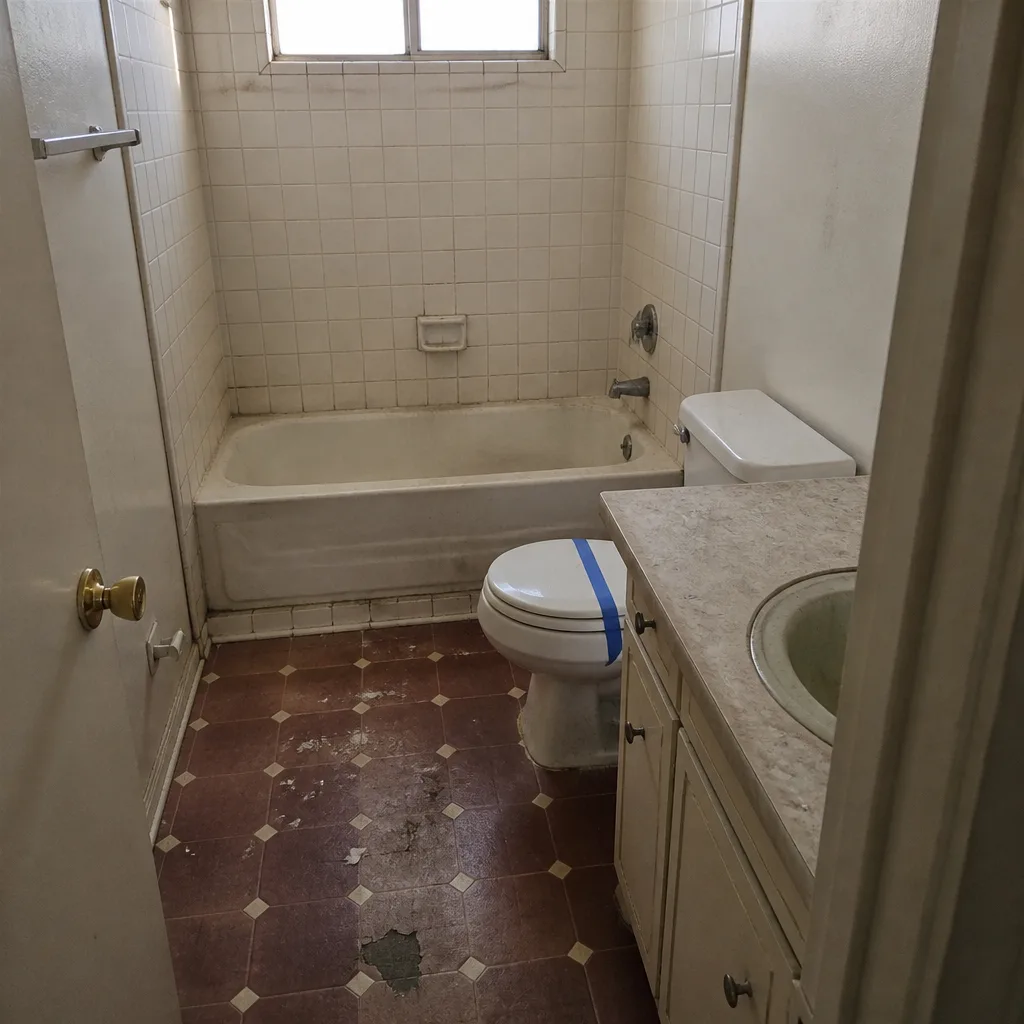
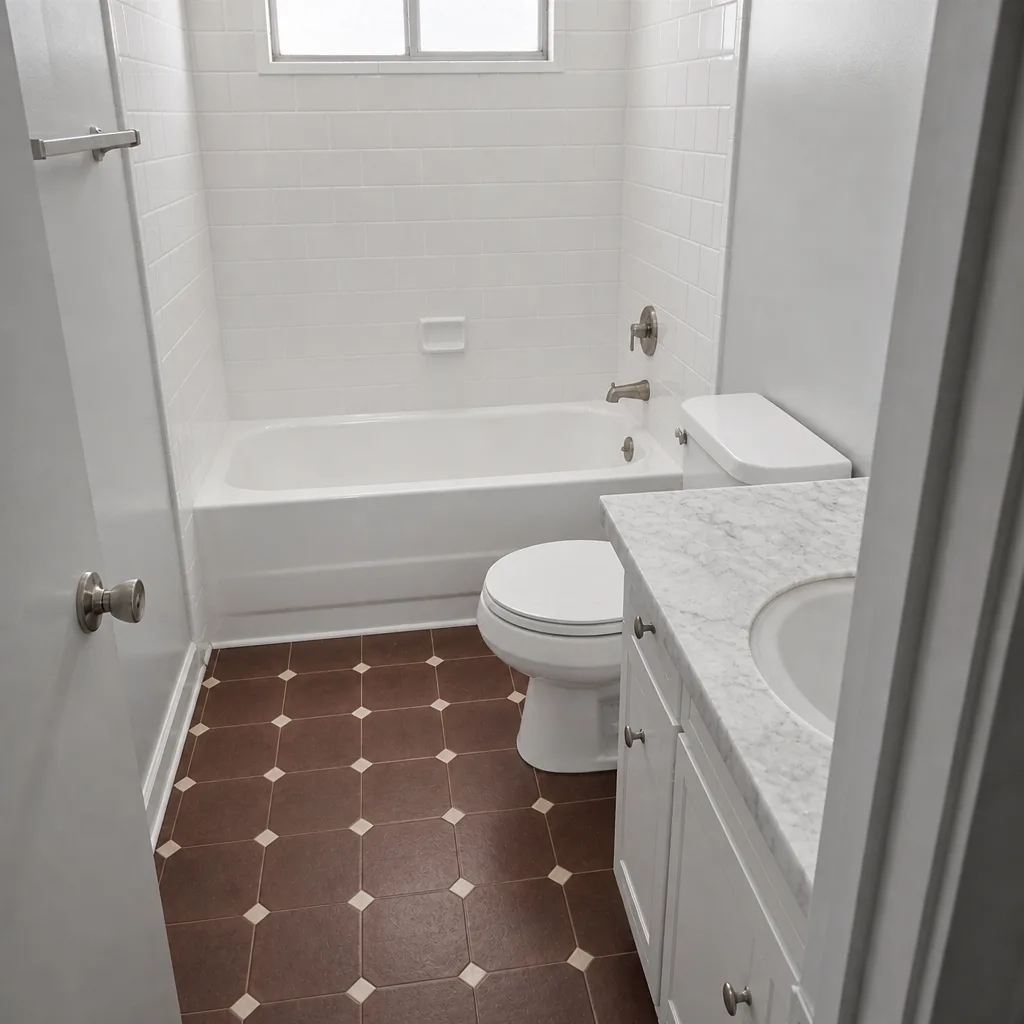
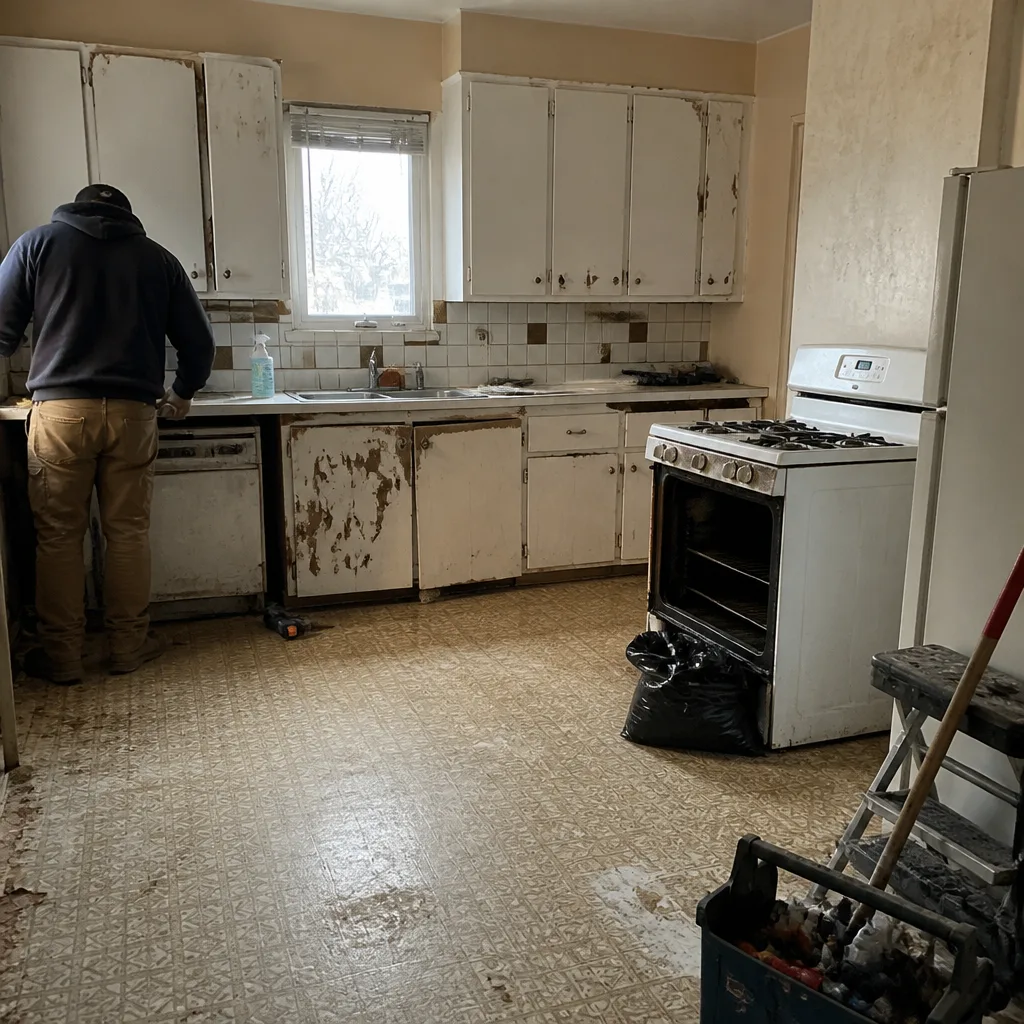
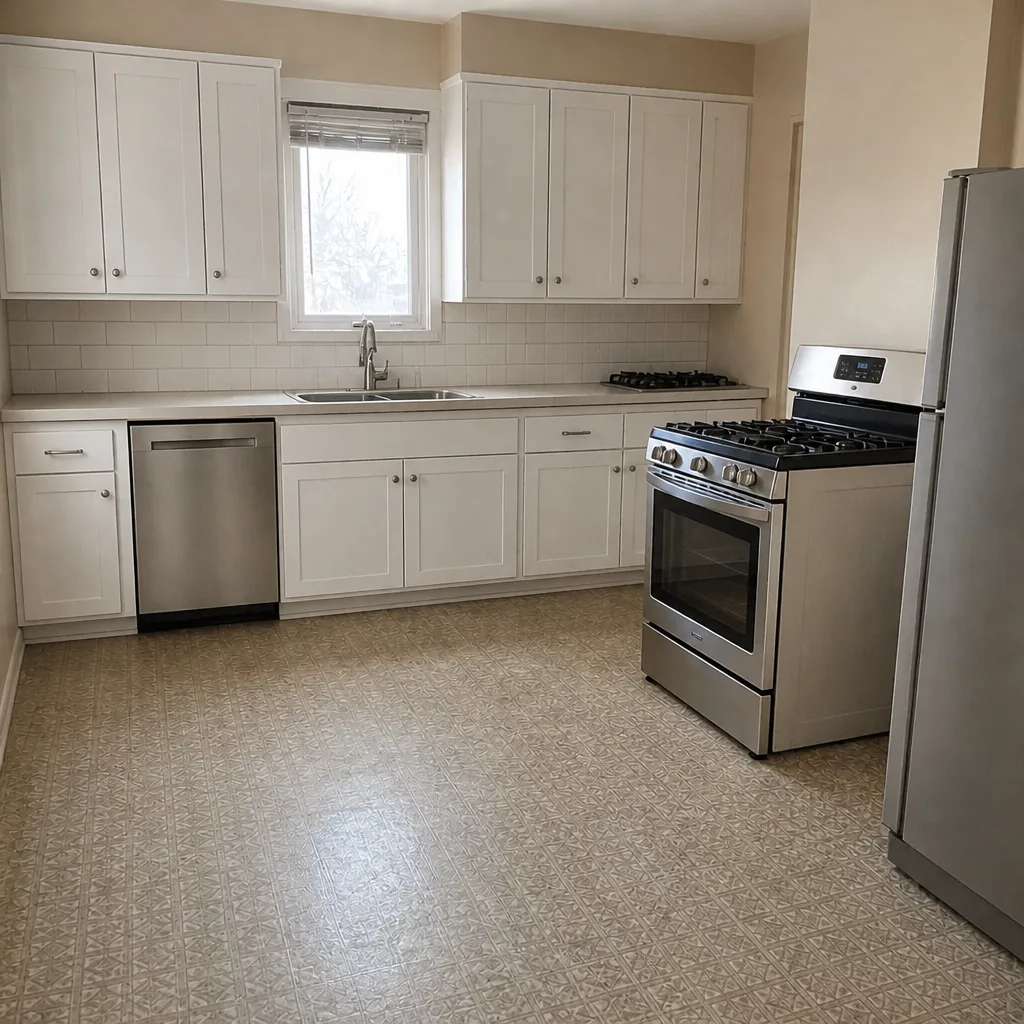
See the difference
 Before
 After
 Before
 After
 Before
 After
When to Call a Professional
Call us the moment water is actively entering the structure, a gas line is compromised, a roof section is lifted or missing, or a wall has cracked and you can see daylight through it. Those are the calls that need to happen fast. Also call when a freeze event has burst a pipe you can’t shut off at the main, or when the insurance adjuster is due and you need a written scope in hand. We’ve walked Winchester homeowners through both the emergency stabilization and the rebuild that follows, and our team of technicians brings up to 21 years of experience to the job. Sawyer Remodeling Winchester offers free estimates in Winchester, and we pick up the phone at (888) 343-7097.
Frequently Asked Questions

An emergency is any active water intrusion, structural damage, gas line breach, or utility failure that’s getting worse by the hour. A burst pipe, a lifted roof section after wind, a foundation crack that appears overnight after a quake, and a broken window during a storm all qualify. A cosmetic crack that’s stable doesn’t qualify. The test is: is it getting worse, and would waiting 24 hours meaningfully increase the cost or danger? Call (888) 343-7097 if the answer is yes.
Emergency stabilization (water extraction, board-up, temporary shoring, roof tarping) in Winchester typically runs $400 to $1,800 for the first visit. Structural rebuild work runs substantially more and varies widely with the scope. The number that matters is the written estimate, and any reputable contractor will put one in front of you before the work starts. We always do. Call (888) 343-7097 for a free written estimate.
Most homeowner policies cover sudden and accidental water damage from a burst supply line, including the resulting damage to drywall, flooring, and finishes. They do not cover the failed pipe itself in many cases, and they do not cover damage from a freeze you could have prevented with reasonable care. Document everything, report the event within 24 hours, and get the written scope from a licensed contractor before work begins. Call (888) 343-7097 and we’ll walk you through what to send your carrier.
A storm-chaser shows up unsolicited after an event, won’t produce a written scope, asks for a large cash deposit, and won’t share proof of licensing and insurance. A legitimate one has a local business they’ll name on the contract, answers the phone with a live person, and puts the price in writing. If any of the first four are true, don’t sign. Call (888) 343-7097 to reach a live person at Sawyer Remodeling Winchester.
The hardest part is that Winchester winters are mild most years, so the prep feels unnecessary until the night it would have mattered. The fix is to insulate exposed plumbing once and install a smart shutoff, then forget about it. If you can’t remember the last time you insulated the garage walls, it’s been too long. Call (888) 343-7097 and we’ll take a look.
We take calls for emergency construction issues and we can stabilize, document, and rebuild. Our process puts a written price in your hands before any work starts, gives you a live arrival time, and sends photo updates before and after. You call (888) 343-7097, a live person answers, and we’ll tell you within minutes whether it’s an emergency we can help with or whether you need a specialist. Estimates are free.
The Bottom Line
Winchester’s real hazard profile is flash flooding, freeze events, high-wind damage, and seismic movement, in roughly that order. The prep that matters most is the cheap stuff done before the event: insulated plumbing, a smart shutoff, graded drainage, hurricane clips on the roof connections, a strapped water heater, and a vetted contractor’s number in your phone. The first 60 minutes of an event decide the size of the repair. The documentation you build in the first 24 hours decides the size of the check. Do the prep, know the shutoffs, photograph everything, and get the price in writing before anyone picks up a tool. That’s the whole game.
Contact

If a Winchester construction emergency is unfolding right now, or you want to build the pre-event checklist before the next freeze, call Sawyer Remodeling Winchester at (888) 343-7097. Every estimate is free, every price is in writing before work starts, and a live person answers the phone. We’re ready to help.
Written by the team at Sawyer Remodeling Winchester.