Last updated November 18, 2026








Free written scope consultation - allowances, timeline, and change-order rules on paper before a single trade is scheduled
DIY vs Professional General Contractor: What’s Safe to Do Yourself
You can legally replace your own outlet in Nevada. You cannot legally add a subpanel without a permit – but YouTube will walk you through both with equal confidence. That gap is where homeowners get hurt, because the real dividing line between DIY and professional work isn’t how hard a job looks. It’s whether Nevada law requires a licensed contractor, whether your insurance will still cover the finished work, and whether a future buyer’s inspector will flag it. Most of the DIY-versus-pro debate online argues about money. This guide argues about liability, and it draws the line by what Nevada actually requires. You’ll learn which projects you can legally tackle in Winchester, which ones quietly void your coverage, and how unpermitted work surfaces at sale time.
Quick Answer
You can safely and legally DIY painting, demolition, landscaping, cabinet hardware, and most cosmetic swaps in Nevada. Any work involving a permit – structural changes, electrical panel or circuit additions, gas lines, plumbing relocations, or a new subpanel – legally requires a licensed contractor, and doing it unpermitted can void your homeowner’s insurance and complicate a home sale. The dividing line is permit liability, not difficulty.
Styles & brands we work with
- Kitchen remodeling
- Bathroom remodeling
- Home additions & ADU
- Roofing
- Windows & doors
- Driveway & pavers
- Fence
Table of Contents
- Where Nevada Draws the DIY Line
- What Requires a Licensed Contractor in Nevada
- DIY Tasks That Silently Void Your Insurance
- How Unpermitted Work Shows Up at Sale
- Where DIY Genuinely Saves Money
- How to Work Alongside a Licensed GC
- Winchester-Specific Risks to Know
Where Nevada Draws the DIY Line
Nevada law doesn’t care whether you’re handy. It cares whether the work is regulated. Cosmetic work that doesn’t touch structure, gas, or the electrical system is generally yours to do. Work that does is regulated, and the state contractor’s board takes that seriously. Homeowners can perform work on their own primary residence, but once a project needs a building permit, you’re in a different category of responsibility.
Here’s the practical split for a typical Winchester home:
- Legal DIY: interior paint, tile removal, flooring installed over existing subfloor, cabinet hardware, faucet and fixture swaps on existing connections, landscaping, fencing under a height threshold, patching drywall.
- Permit-required: moving or removing walls, new electrical circuits, panel or subpanel changes, gas line work, plumbing relocation, water heater replacement, structural repairs, any addition or square-footage change.
- Licensed-contractor territory: gas appliance installation, most panel work, roofing replacement, anything affecting the load path of the house.
Winchester sits within Clark County, and the county’s building department enforces the permit rules that municipalities inherit. That matters because Clark County has been aggressive about catching unpermitted residential work through its inspection and code-enforcement processes. Skipping a permit because “it’s just a wall” is how homeowners end up on the wrong side of an inspection years later. If you’re unsure where your project falls, a licensed General Contractor in Winchester can tell you in one conversation whether a permit is required.
What Requires a Licensed Contractor in Nevada
Nevada’s contractor licensing board classifies work into license categories, and residential remodeling generally requires either a general or specialty contractor license depending on scope. The key point for homeowners: hiring an unlicensed contractor for work that requires a license isn’t just a legal gamble, it’s the fastest way to lose recourse if something goes wrong. Unlicensed operators have no bond, no insurance requirement, and no governing board to complain to.
These projects in Winchester require a licensed contractor:
- Adding or relocating electrical circuits, outlets, or a subpanel
- Gas line installation or modification, including outdoor kitchens and fireplaces
- Plumbing rough-in or relocation of supply and drain lines
- Structural work: load-bearing wall removal, beam additions, foundation repair
- Water heater replacement (permit and license both required)
- Roof replacement and any addition that changes the building envelope
The electrical and gas categories are the ones we see homeowners underestimate most. A subpanel is a good example. It’s a box that gets mounted, some wire that runs, and a few breakers. Someone with confidence and a YouTube tab can do it. But a panel with the wrong bonding, an undersized neutral, or a load calculation that’s off can create a shock or fire hazard that won’t show up for years. Electrical work and gas work are genuinely dangerous, and neither is a place for trial-and-error. If you’re considering anything panel-adjacent, have a licensed electrician look at it.
For bathroom and kitchen work specifically, the permit picture gets complicated fast because a single room can touch plumbing, electrical, gas, and structural at once. A Bathroom Remodeling in Winchester project that relocates a shower drain, for example, triggers a plumbing permit and an inspection even if the rest of the room is cosmetic.
DIY Tasks That Silently Void Your Insurance
This is the part of the conversation most homeowners never hear. Your homeowner’s insurance policy assumes the home has been maintained to code. When you do unpermitted work, the insurance company’s position is that you changed the risk profile of the home without telling them. If a fire, flood, or failure traces back to that work, coverage can be denied.
The DIY tasks that most often cause insurance problems in Winchester:
- Electrical modifications: adding a circuit for a hot tub or shop, swapping a breaker size, or replacing an outlet with a higher-amperage circuit. A fire traced to a homeowner-installed circuit can be denied.
- Water heater and plumbing: a leak from an unpermitted install that damages a subfloor often doesn’t get covered.
- Gas work: any gas appliance install or relocation done without a permit. This one is the highest-risk category on the list.
- Structural wall removal: a removed wall with no beam or permit is a hidden defect that can void coverage and derail a sale.
- Roofing underlayment: improperly installed flashing and underlayment can turn a minor storm leak into an uncovered loss.
Winchester’s wind events and occasional monsoon-season rain find every weak point in a building envelope. A roof patch done without proper flashing can look fine for a year and then leak during the first strong storm. The moisture behind that leak often shows up as mold long after the policy window for that event has closed. The insurance company’s investigation asks a straightforward question: was this work permitted and inspected? If the answer is no, the claim conversation changes.
How Unpermitted Work Shows Up at Sale
A home inspection is where unpermitted work comes back into your life. Inspectors in Winchester look for the tell-tale signs: newer drywall that doesn’t match the home’s era, missing permits in the county records, a fresh outlet that isn’t on any plan, a bathroom that photographs too shiny for a house built in the 1990s.
When unpermitted work gets flagged, you have a few options, and none are cheap:
- Permit and inspect the work retroactively. The county opens a permit, an inspector looks at the work, and if it doesn’t pass you open up walls to expose it. Cost varies by scope, and opening a wall is never a small line item.
- Disclose and negotiate. The buyer asks for a credit or walks. This is common, and the credit is usually higher than the original project would have cost to do legally.
- Tear it out. Rare, but it happens when work is genuinely unsafe or can’t be brought up to code.
Buyers financing through a lender make this worse. A lender’s appraiser or underwriter can flag unpermitted work, and the deal stalls until it’s resolved. A permit pulled at the start of the project costs a fraction of what retroactive permitting or a sale credit costs at the end. This is why we quote the permit cost in writing before the project starts, and why we don’t cut permits out to make a number look better.
Where DIY Genuinely Saves Money
The good news is that a lot of a remodel is genuinely safe to DIY, and we mean that. These tasks don’t require permits, they don’t touch regulated systems, and they’re hard to make dangerous. They also happen to be the highest-labor-share items on a typical project, which is exactly why the savings are real.
- Painting: interior walls, ceilings, trim. Prep is most of the work. Buy the good tape.
- Demolition: tearing out old tile, cabinets, or flooring under a written scope. Do it after the permit is issued and after utilities are confirmed off, not before.
- Landscaping: desert-friendly planting, gravel, planters, and irrigation timer swaps. The hardscape work that touches a structure or a fence line sometimes needs a permit, so check first.
- Cabinet hardware and fixtures: swapping pulls, faucets, and light fixtures on existing connections. No permit, high visible payoff, and easy to reverse.
- Closet systems and interior shelving: pure assembly and anchoring.
Where homeowners routinely think they’re saving money but aren’t: electrical, plumbing, gas, and tile waterproofing. That last one deserves a specific note. A shower pan built without a proper waterproof membrane fails quietly, sometimes for a year, and then rots the framing underneath. Products like Schluter’s waterproofing systems are specified for a reason, and installing them wrong is worse than installing nothing. If you’re tiling a shower yourself, use a proven system and follow the manufacturer’s instructions exactly. If you want a Kitchen Remodeling in Winchester or bathroom to go the distance, waterproofing is the one step not to freestyle.
How to Work Alongside a Licensed GC
There’s a middle path that most homeowners never consider, and it’s the one that cuts the most labor cost without taking on real risk: you do the legal DIY scope, and a licensed GC handles the permitted and regulated scope. We call it a hybrid project.
Here’s how it typically works on a Winchester project:
- Scope the split in writing before anything starts. The GC’s written scope lists what they’re doing and explicitly excludes what you’re doing. This protects both of you.
- Get the permits pulled by the licensed party. The work that requires a permit should be under a contract with a licensed contractor. Don’t try to pull your own permit for work that requires a license.
- Sequence correctly. Demo happens after utilities are confirmed off. Your painting happens after drywall and mud. Your landscaping happens after the exterior work is done and inspected.
- Lock in a written price for the GC’s side. A no-hassle upfront price means the number on the invoice is the number you approved, and your own labor doesn’t change that.
- Keep the written scope and permits together for the eventual sale. A future buyer and their inspector want to see the paper trail.
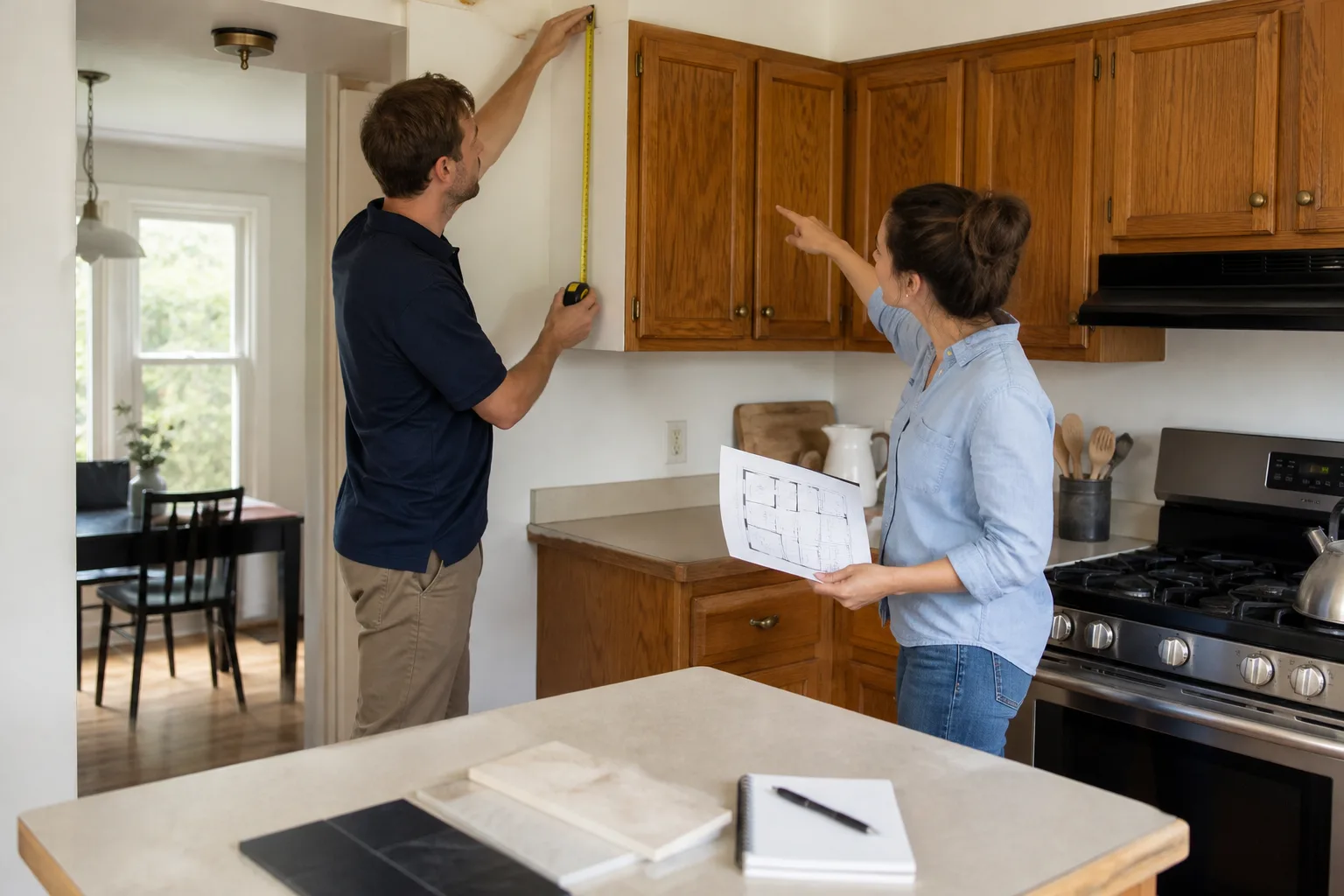
A hybrid works on a bathroom or whole-home renovation when the homeowner has a realistic sense of their own time. What we see go wrong is homeowners taking on the painting scope, then delaying the GC’s schedule, which is fine but eats the savings. Be honest about what you’ll actually finish. Background-checked, uniformed technicians on the GC’s side of the job make the handoff easier because you know who’s on site and when they arrive, though of course the technicians are the licensed contractor’s, not a fleet we dispatch from anywhere. The written price and the permit trail are what matter.
Winchester-Specific Risks to Know
Winchester’s climate and construction patterns put a local spin on the DIY-versus-pro line. The dry desert air and intense summer heat age seals, caulk, and exterior finishes faster than in wetter climates, which means a sloppily installed exterior door or roof detail fails faster here than the product data sheet suggests. Roof flashing and window seals fail early in a climate that gets heat extremes and seasonal wind. That doesn’t make them impossible to DIY, but it makes the tolerance for error smaller than you’d think from a video.
The other local factor is that older Winchester neighborhoods have homes with wiring and plumbing that predate current code. A homeowner swapping an outlet on a circuit that was already undersized is layering a new problem on an old one. And the warm-season heat makes attic and roof work genuinely risky to do in summer. Roof work and anything above the first story is steep-roof territory, and that’s not a place to learn. If a project has you on a ladder at height or in an attic at midday in July, that’s a professional job regardless of the permit picture.
For a whole-home renovation, the permit list gets long and the sequencing gets tight. A Sawyer Remodeling Winchester home page walks through how we run those projects under The Relay Visibility Guarantee: a written price before any work starts, live arrival times, and before-and-after photo updates. That’s the model we’d recommend even if you did have a hybrid scope: someone accountable, in writing, for the regulated work.
Common Mistakes to Avoid
- Starting demo before the permit is pulled. Once walls are open, the inspector sees the work in whatever state you left it, which can complicate the permit. Pull first, demo second.
- Assuming smaller equals safer. A subpanel is small. A water heater swap is small. Both are regulated, and both can fail in ways that aren’t visible until much later.
- Swapping a breaker for a bigger one to fix tripping. That’s not a fix, it’s an overloaded wire waiting for a reason to heat up. In Winchester’s heat, that’s a real fire risk.
- DIYing tile waterproofing without a system. A shower pan with no membrane fails quietly. By the time you see it, the subfloor needs replacing. Use a spec’d system like Schluter and follow the instructions exactly.
- Doing gas work yourself. A gas leak is silent and odorless until the additive kicks in, and if you don’t know how to pressure-test a line, you don’t know if it’s leaking. Licensed, permitted, inspected.
- Forgetting that cosmetic swaps still need the right fixture. Replacing a Toto toilet with an American Standard one with a wrong rough-in distance causes a leak and a re-do. Measure and match before you buy.
- Skipping the written scope on a hybrid project. Without a written document saying who’s doing what, a dispute over a failure has no paper trail, and you’re doing a project as a handshake with a contractor who has no clarity on what they own.
See the difference
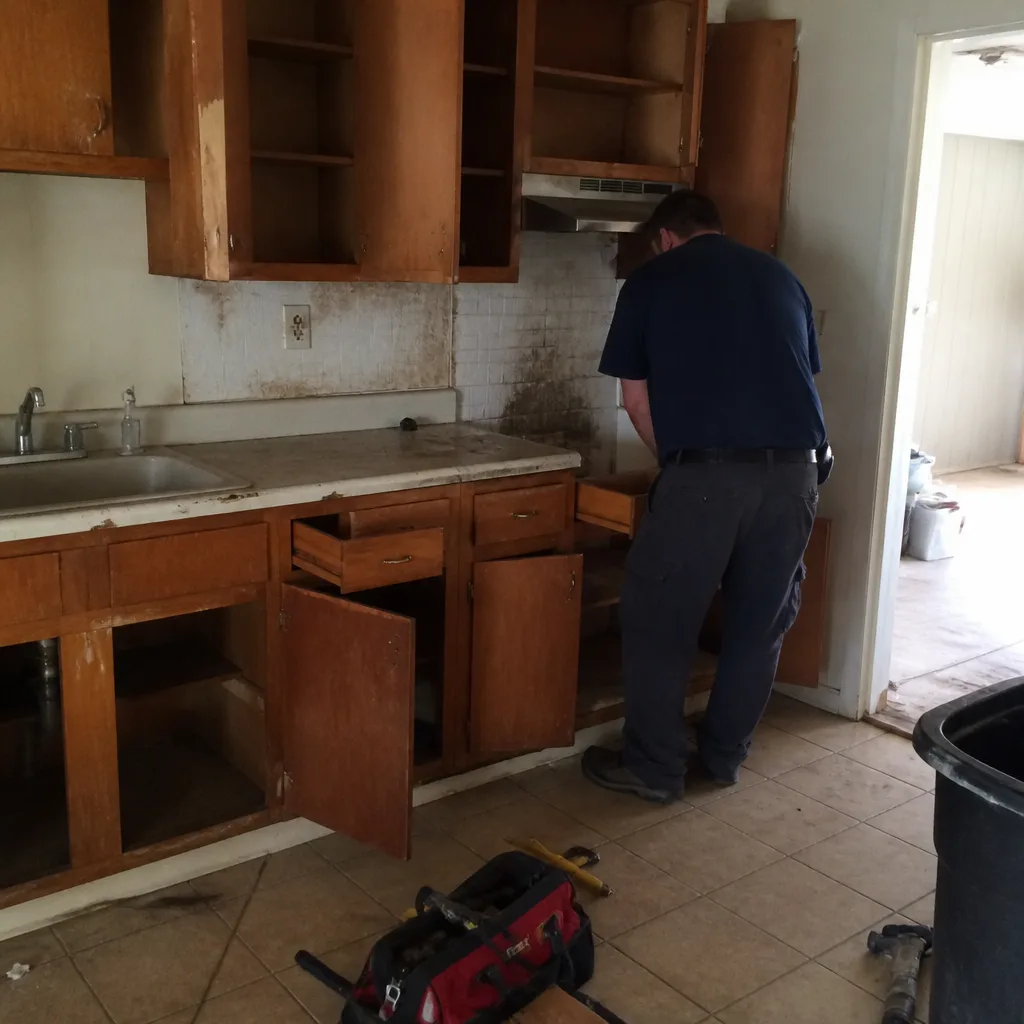 Before
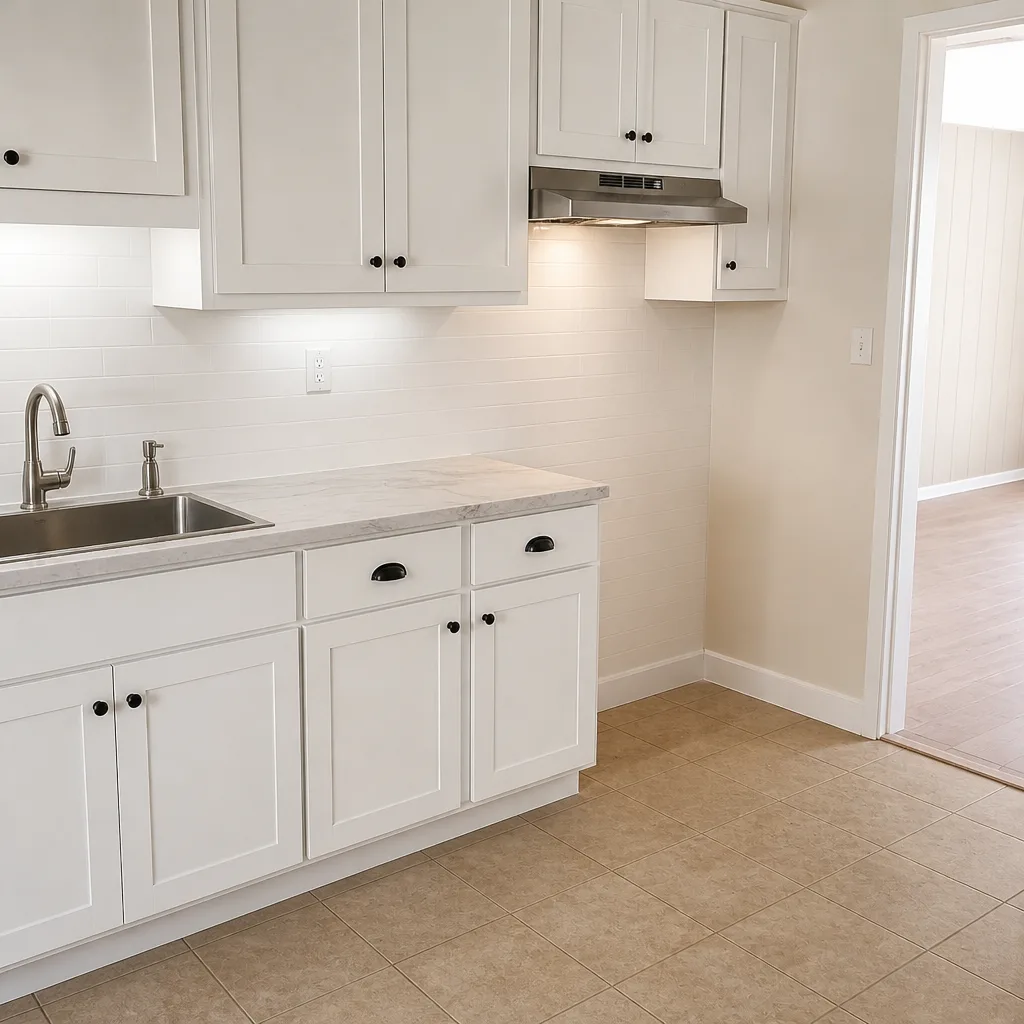 After
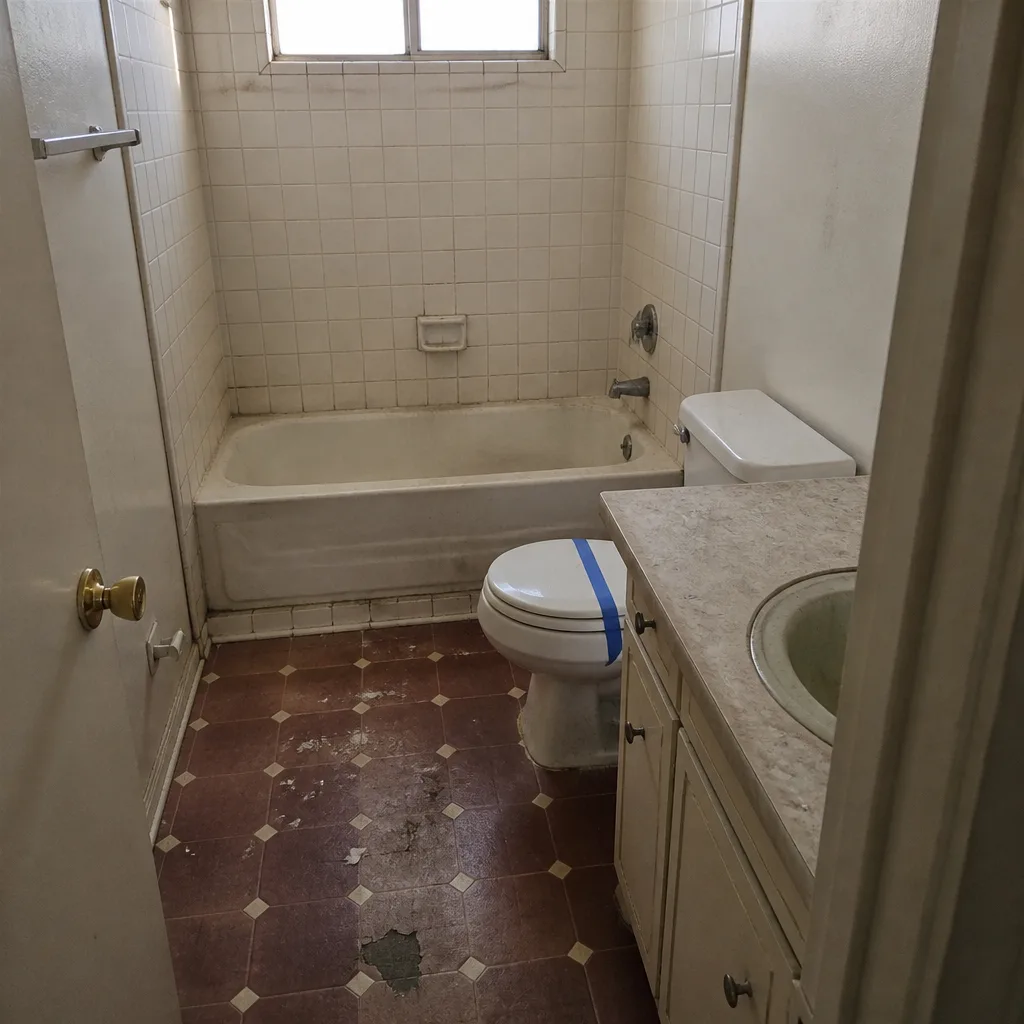 Before
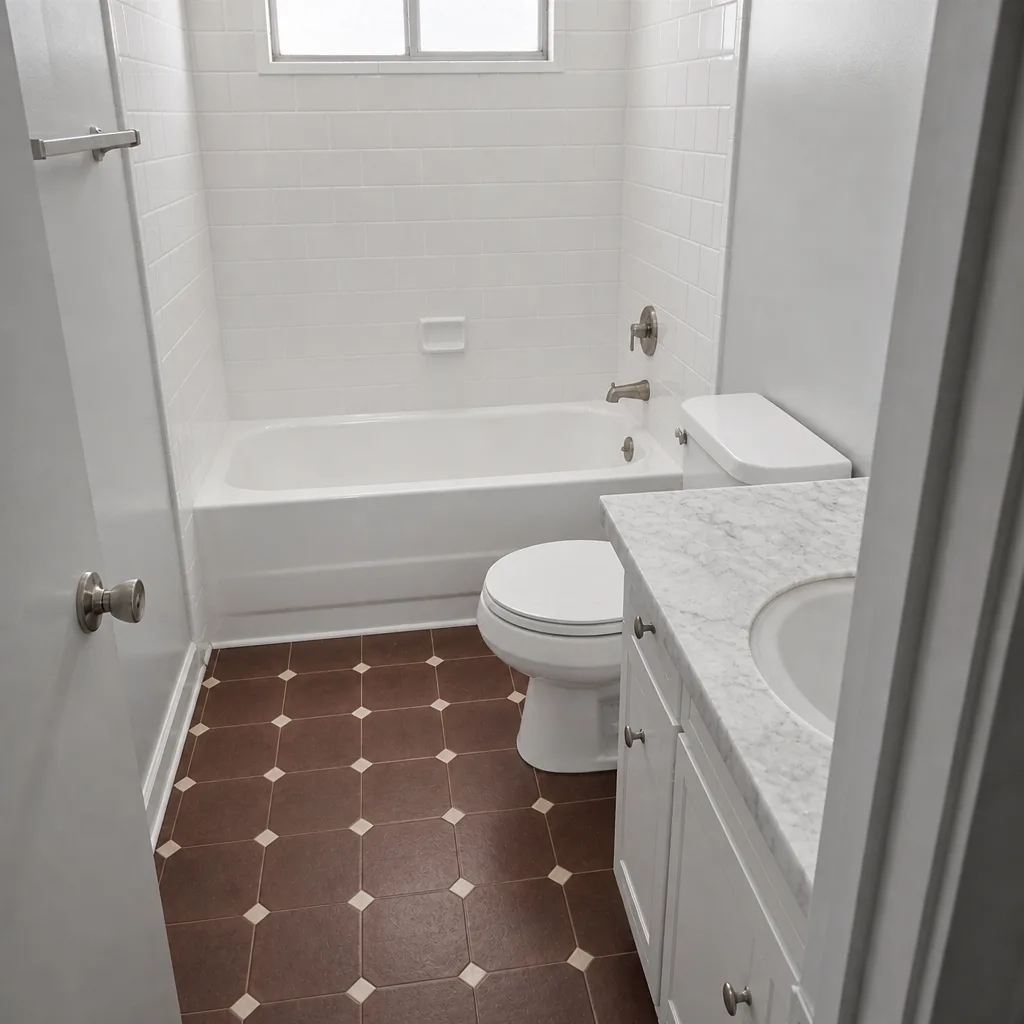 After
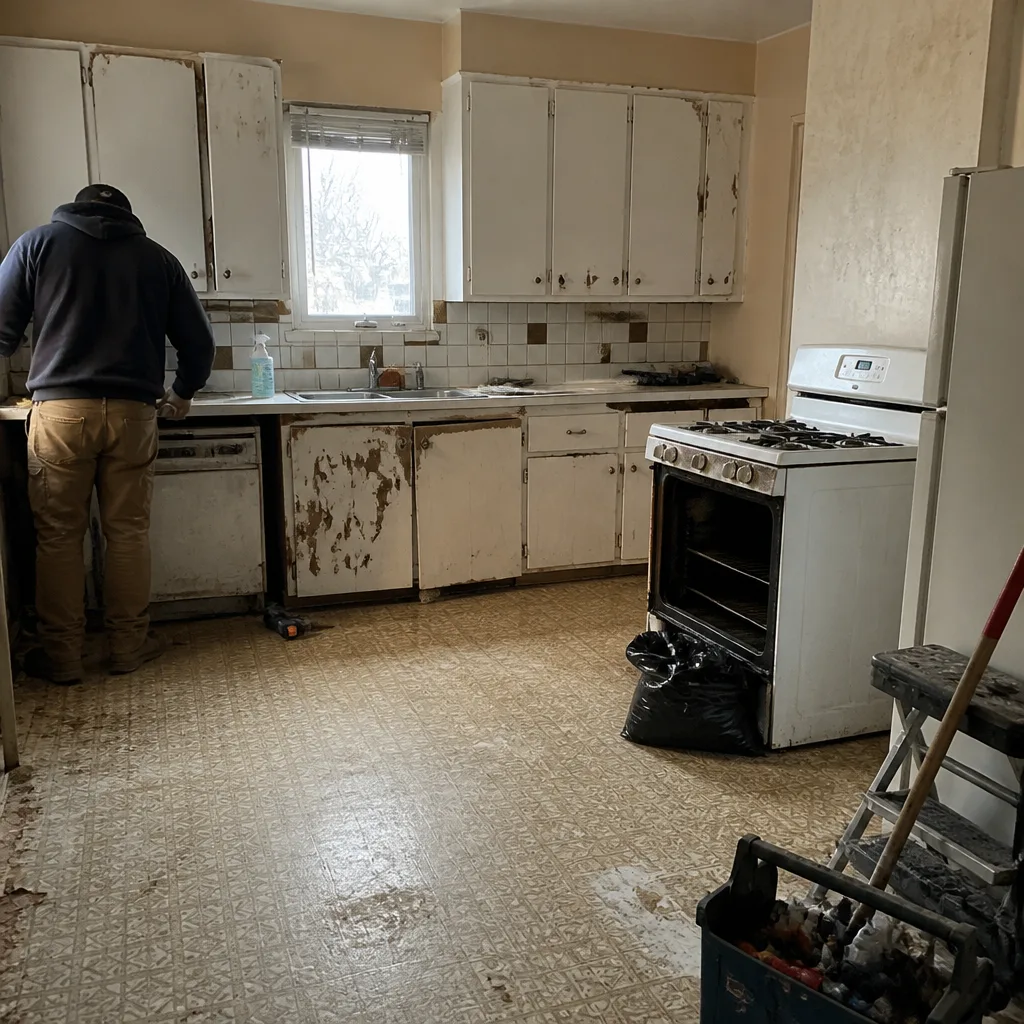 Before
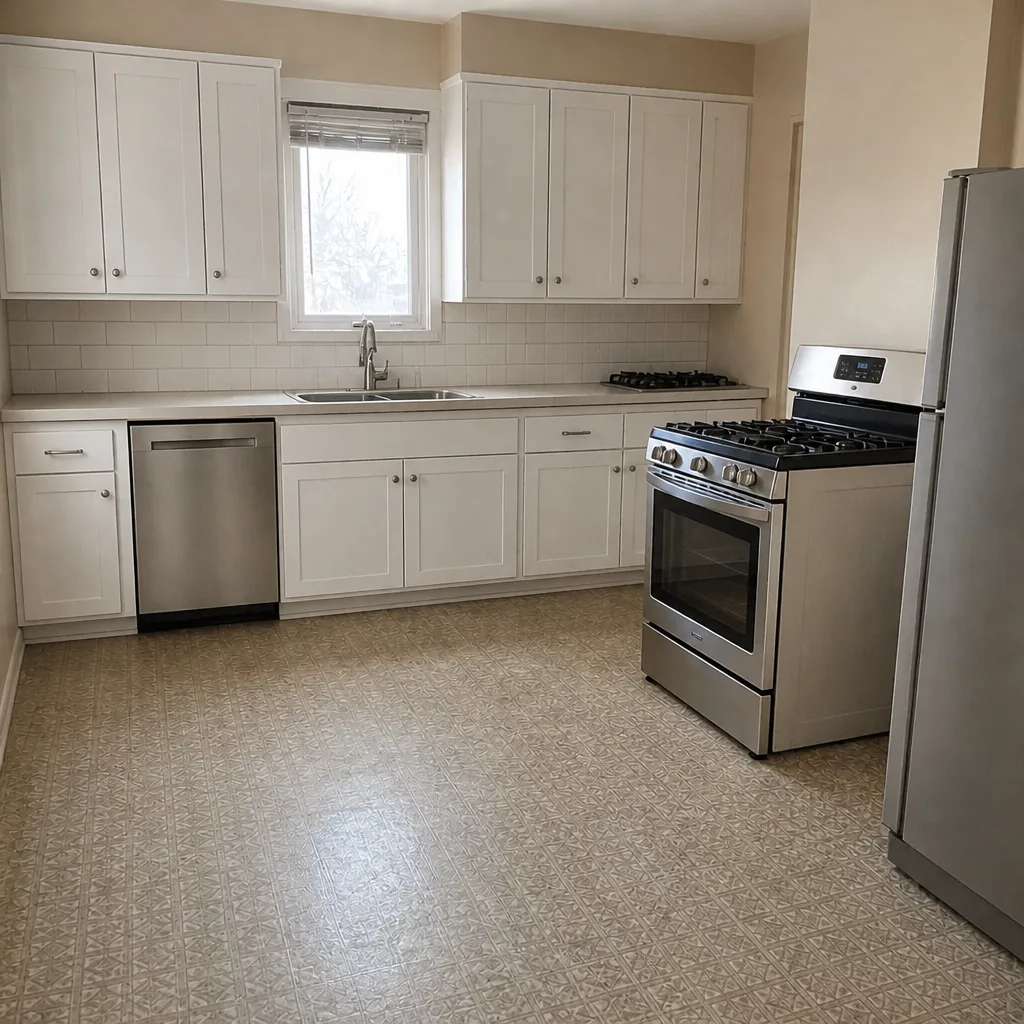 After
When to Call a Professional
Call a licensed general contractor when your project touches a permit, a regulated system, or a hazard you can’t make safe. Specifically: any electrical panel or circuit work, gas line work, plumbing relocation, structural changes, roof work, or any project where you’d be on a ladder at height. Also call if the project is a renovation that touches three or more trades, because sequencing and permits get complicated fast when one wall has electrical, plumbing, and structural implications. And call if your time is the binding constraint: a project that drags for months costs more in your life than it saves on a labor line.
Sawyer Remodeling Winchester offers free estimates in Winchester. Call (888) 343-7097 to schedule one, and we’ll give you a written price before any work starts, tell you plainly which parts are permit-required, and quote the permit cost line by line so nothing gets cut from the scope to make a number look better.
Frequently Asked Questions

You can legally swap an outlet, switch, or light fixture on an existing circuit in your own home, but any new circuit, panel change, or subpanel requires a permit and a licensed contractor. If the work touches the panel itself, hire it out.
No. Insurance companies can deny a claim when the damage traces back to unpermitted work, because the policy assumes the home was maintained to code. A fire or leak caused by an unpermitted install is the most common scenario where coverage gets denied.
It depends heavily on what’s found, but the cost usually comes in the form of a retroactive permit, opening up walls to inspect, and a buyer credit. Across Winchester, a retroactive permit and inspection often runs several hundred dollars before any repair, and a failed inspection can add thousands. Call (888) 343-7097 for a free estimate on bringing a scope up to code.
Only for work you’re legally allowed to perform on your own residence. You cannot self-perform work that requires a licensed contractor. A hybrid project is the workaround: you do the legal DIY scope and a licensed GC handles the permitted, regulated scope under a written contract.
No. Painting, cabinet hardware, landscaping, and cosmetic fixture swaps on existing connections don’t require a permit. Demo of an old bathroom or kitchen also doesn’t require a permit by itself, but it should follow the permit being issued for the new work.
No, not unless you know for certain it’s non-load-bearing and have it confirmed. A load-bearing wall removal without an engineer’s sign-off and a permit is a genuine structural hazard and voids insurance coverage. Have a licensed contractor confirm the wall type before anyone touches it.
The Bottom Line
The DIY-versus-pro line in Nevada isn’t about difficulty. It’s about permits. You can safely and legally paint, demo, landscape, and swap hardware on existing connections. Anything that touches the electrical panel, gas lines, plumbing rough-in, or the structure requires a permit and a licensed contractor, and doing it without one can cost you coverage and a sale. The hybrid model cuts labor cost without that risk: you do the safe scope, a professional does the regulated scope, both under a written document. Call (888) 343-7097 for a free estimate and a written price before any work starts.
Written by the team at Sawyer Remodeling Winchester.