Last updated November 18, 2026





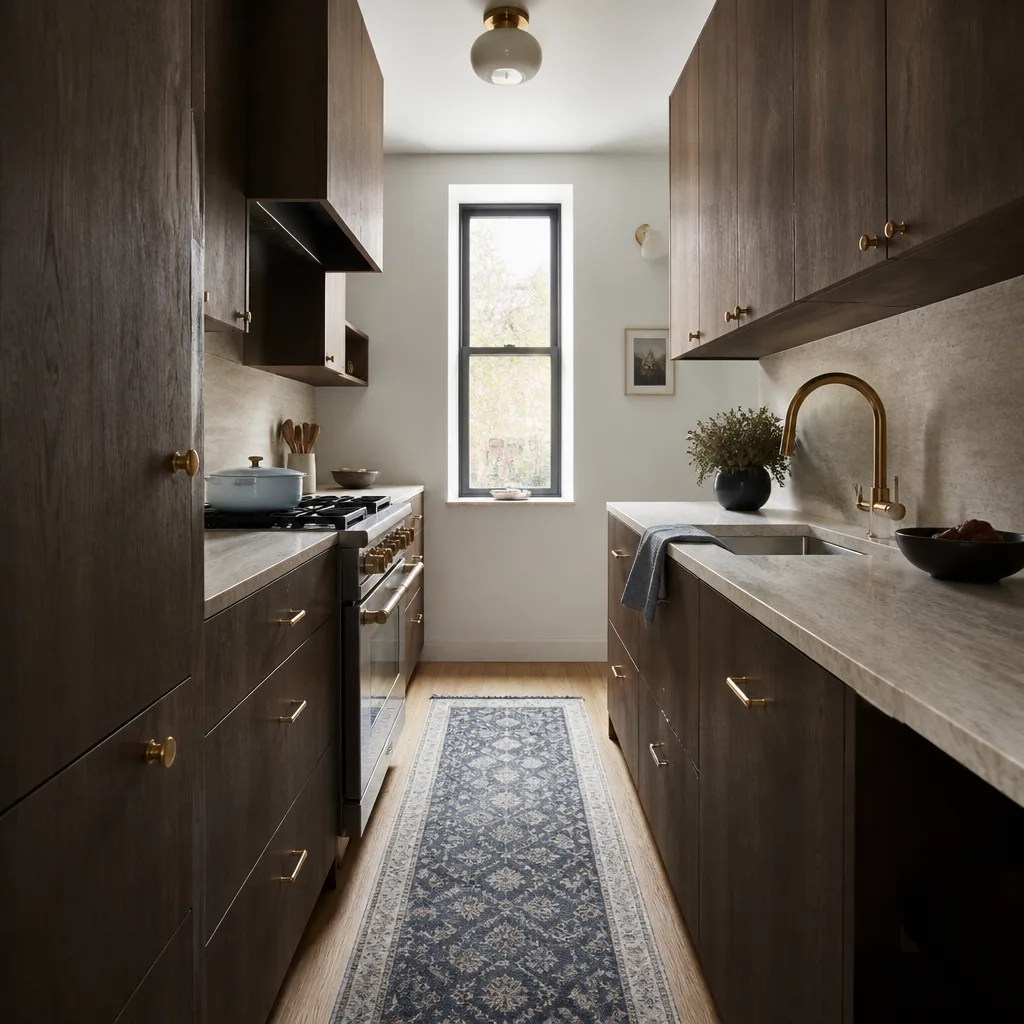

Free written scope consultation - allowances, timeline, and change-order rules on paper before a single trade is scheduled
How to Hire a Construction Contractor in Winchester: A Step-by-Step Guide
The contractor who bids $8,000 under everyone else isn’t saving you money. He’s borrowing it from your future self, the one who pays for the surprises in change orders, delayed finishes and a punch list nobody comes back to close. In Winchester, where steep lots and fast summer heat punish rushed work, the gap between the low bid and the real cost shows up months later. This guide walks you through the exact vetting script we’d use to hire a contractor for our own homes: how to verify a Nevada license in under a minute, the three contract clauses that stop change-order ambushes, and how to structure payments so you’re never paid ahead of the work.
Quick Answer
To hire a construction contractor in Winchester, verify the contractor’s Nevada license and class through the state board before you talk price, get a written scope and line-item price, confirm the contract includes a change-order clause, a payment schedule tied to completed work, and a written workmanship guarantee, then check that the business has a real physical address and answers a live phone. The cheapest bid is rarely the lowest total cost.
Styles & brands we work with
- Kitchen remodeling
- Bathroom remodeling
- Home additions & ADU
- Roofing
- Windows & doors
- Driveway & pavers
- Fence
Table of Contents
- Step 1: Verify the Nevada License in Under 60 Seconds
- What the License Class Actually Tells You
- The Written Price vs. the “Ballpark Estimate”
- The Three Contract Clauses That Protect You
- Red Flags in the First Phone Call
- How to Structure a Payment Schedule
- Winchester-Specific Vetting: Climate, Code and Lots
- Common Mistakes to Avoid
- Frequently Asked Questions
Step 1: Verify the Nevada License in Under 60 Seconds
Nevada makes this easier than most states, and most homeowners skip it. The Nevada State Contractors Board runs a public license lookup you can pull up on your phone while the contractor is still standing in your kitchen. You’ll need the license number, which any legitimate contractor hands over without flinching.
Here’s the sequence, in order:
- Ask for the license number on the first call, before any appointment is booked. A contractor who has to “get back to you” with it is telling you something.
- Open the State Contractors Board database and search by license number or business name.
- Confirm the license status reads active, not expired, suspended or revoked.
- Check the license class against your project type and dollar amount. Nevada ties classes to the scope and value of work a contractor may legally take on.
- Confirm the business name and address on the license match the name and address on the written quote.
That’s it. Sixty seconds. In our experience, the mismatch check in step five catches more problems than anything else. A quote from “Bob’s Construction” tied to a license registered to a different business name is a question you want answered before work starts, not after. This is also when you confirm the local pro is licensed and insured as their state requires, because the license record and the insurance on file are the two pieces of paper that stand between you and a lien on your house.
What the License Class Actually Tells You
Nevada contractors are licensed by class, and the class defines the work they’re permitted to perform and the value they can take on. A residential remodeling contractor operating within their class can legally handle your kitchen or bathroom project; a handyman license or an out-of-class operator cannot. When the license class doesn’t match the scope, your recourse is thin if something goes wrong, and your homeowner’s insurance may not back you either.
Ask the contractor directly: “What class is your license, and does this project fall inside it?” A straight answer comes fast. A vague one (“we’re fully licensed for everything”) is a stall. Winning bidders in Winchester know their class cold because they work inside it every day.
For bigger scopes, like structural changes or a whole-home renovation, verify that the contractor’s class covers the full value of the contract. If your project pushes past what their class allows, they either need to bring in a licensed partner or you need a different contractor. When you work with a licensed general contractor in Winchester, the class question gets answered on the first call, because pulling permits and passing inspections is part of the routine.
The Written Price vs. the “Ballpark Estimate”
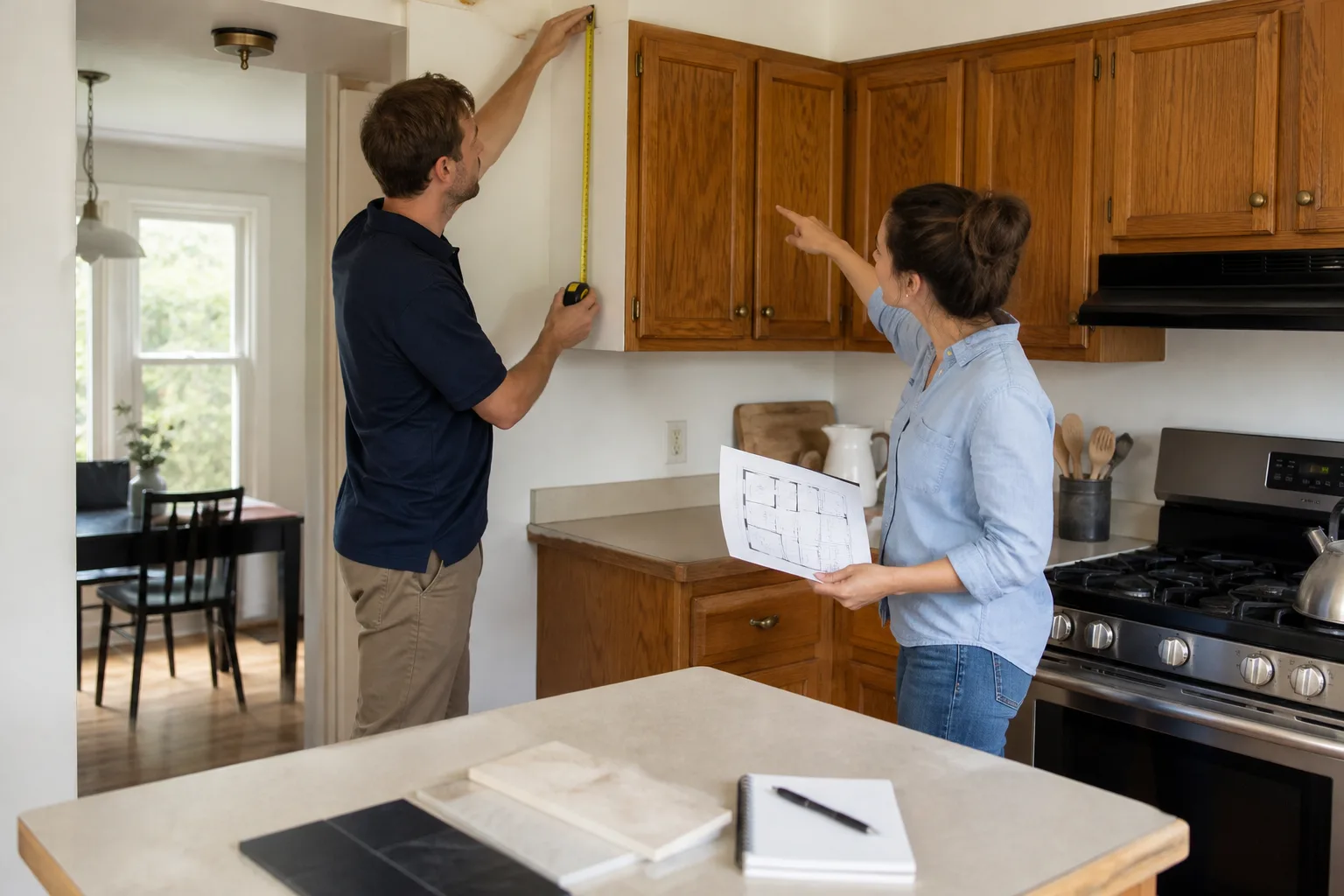
A ballpark estimate is a number someone says out loud. A written price is a document with your name on it, line items, materials specified and a total you can hold the contractor to at invoice time. The difference matters the day the invoice arrives, and it’s the single most reliable test of how a contractor runs a job.
Here’s what separates the two:
- Ballpark estimate: one number, no breakdown, “plus materials,” “subject to change,” expires when it’s convenient.
- Written price: line items for labor, materials and permits; named brands and models (a Silestone quartz countertop is a spec, “quartz” is a shrug); a stated total; and a clear note on what triggers a change order.
Ask for the written price before you sign anything. If the contractor hedges (“we’ll finalize once we open the wall”), that’s fine for concealed conditions, as long as they commit to a written change order before proceeding. What you should never accept is a verbal number that quietly grows. No-hassle upfront pricing means the number on the invoice is the number you approved, and it’s the standard we set for every job we run through the Sawyer Remodeling Winchester home team. Call (888) 343-7097 if you want to see what a written line-item quote looks like for your project.
The Three Contract Clauses That Protect You
Most contract disputes we hear about in Winchester trace back to one of three missing clauses. Read the contract for these before you sign, and treat a refusal to include any of them as a hard stop.
- The change-order clause. This states that no additional work happens and no additional charge applies until you’ve signed a written change order. Without it, “while we were in there” becomes an invoice you didn’t approve.
- The payment schedule tied to milestones. Payments should follow completed phases of work, not a calendar. A clause that front-loads a large deposit before any work starts is a red flag in writing.
- The written workmanship guarantee. This spells out what happens if something fails after the job closes, and for how long. A guarantee you can point to in the contract is worth ten handshake promises. Our version, the 365-Day Done Right Promise, means if it’s not done right, we make it right, in writing, for a full year.
If a contractor won’t put these in the contract, ask why. Sometimes the answer is a template they’ve never updated. Sometimes it’s that they don’t want to be held to them. Either way, you’ve learned what you needed to know.
Red Flags in the First Phone Call
You can often vet a contractor before they set foot in your house. The first call tells you how the whole job will run. Listen for these:
- Vague timelines. “A few weeks, depends” with no start date and no phase schedule means you’ll be chasing them for updates.
- Cash-only requests. A contractor who wants cash, no receipt, no contract is asking you to give up every protection you have. Walk away.
- No physical business address. Ask for it. A real business has a location you could drive to. If the only address is a PO box or a phone number, you have no recourse when things go sideways.
- Voicemail loops. If you can’t reach a live person before the job, you won’t reach one during it. A company that answers its phone at 2 a.m. before the contract is signed is a company that answers it after.
- Pressure to sign today. “This price is only good until Friday” is a sales tactic, not a construction schedule.
None of this requires expertise. It requires paying attention on the first call. The contractors worth hiring will answer every question without flinching and put their commitments in writing.
How to Structure a Payment Schedule
The golden rule: never pay ahead of completed work. A payment schedule tied to milestones keeps your money behind the progress, which is exactly where it should be. Here’s a structure that works on remodeling projects in Winchester and everywhere else:
- Small deposit at signing. Enough to secure materials and a start date, not enough to fund the job.
- Payment at each completed phase. Demo done, rough-in done, tile set, fixtures installed, final walkthrough passed. Each milestone is a payment trigger.
- Holdback at the end. A final payment held until the punch list is closed and you’ve signed off. This is your leverage for the last five percent.
- Digital invoice for every draw. Every payment tied to a written invoice you can pay from a link, so the paper trail matches the money.
If a contractor asks for half the total up front, ask what that deposit covers. Sometimes it’s legitimate material ordering. Sometimes it’s funding the previous job. The difference shows in whether the deposit lands against a named, itemized cost. For bathroom and kitchen projects specifically, our bathroom remodeling in Winchester process runs every payment through this milestone structure, so the money tracks the work, not the calendar.
Winchester-Specific Vetting: Climate, Code and Lots
Winchester has a few local conditions that should shape the questions you ask. The desert heat and the valley’s grade changes aren’t trivia; they’re the difference between a project that holds up and one that fails early.
Ask contractors how they handle:
- Summer heat and curing. Concrete, tile adhesive and exterior finishes all behave differently in Winchester’s summer temperatures. A contractor who talks about cure times and heat scheduling has done this work here before.
- Slope and drainage. Many Winchester lots sit on grade, and water management around foundations and additions matters more than most homeowners realize.
- Permits and inspections. Pulling permits and passing inspections should be built into the price, not a surprise line item. Ask who pulls the permit and who’s on site for the inspection.
- Local material availability. Brand-name supply matters. Cambria and Caesarstone countertops and Kohler fixtures come with manufacturer backing. If the contractor substitutes without your approval, you’ve lost that backing.
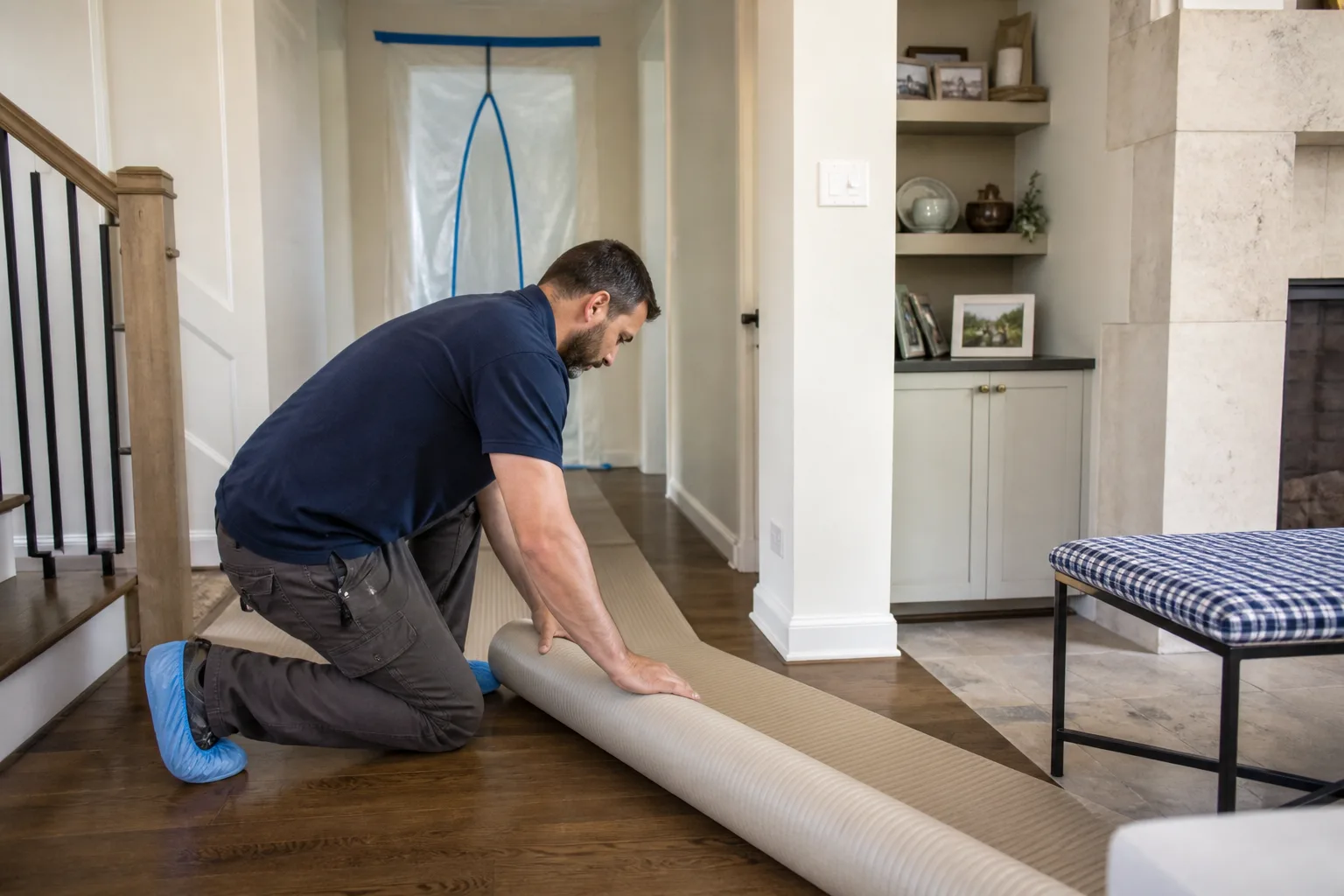
Walk the property with every contractor who bids. Ask how the grade drains. Ask how they’ll protect the interior from summer dust during demo. The contractor who has an answer for Winchester’s climate is a contractor who’s done this before. If you’re planning a kitchen update alongside structural work, our kitchen remodeling in Winchester team walks every project through this same checklist.
Common Mistakes to Avoid
- Choosing the lowest bid without a written scope. A low number with no line items is a promise, not a price. You’ll pay the difference in change orders.
- Skipping the license lookup. It takes under a minute. The contractor who won’t give you a license number is the one you don’t want in your house.
- Paying a large deposit up front. Money front-loaded before work starts leaves you with no leverage when the schedule slips.
- Accepting verbal change orders. “We’ll just add it to the invoice” without a signed change order is how a $15,000 bathroom becomes a $22,000 one.
- Ignoring the workmanship guarantee. Ask what happens if the tile fails in six months. If the answer is “call us and we’ll see,” that’s not a guarantee.
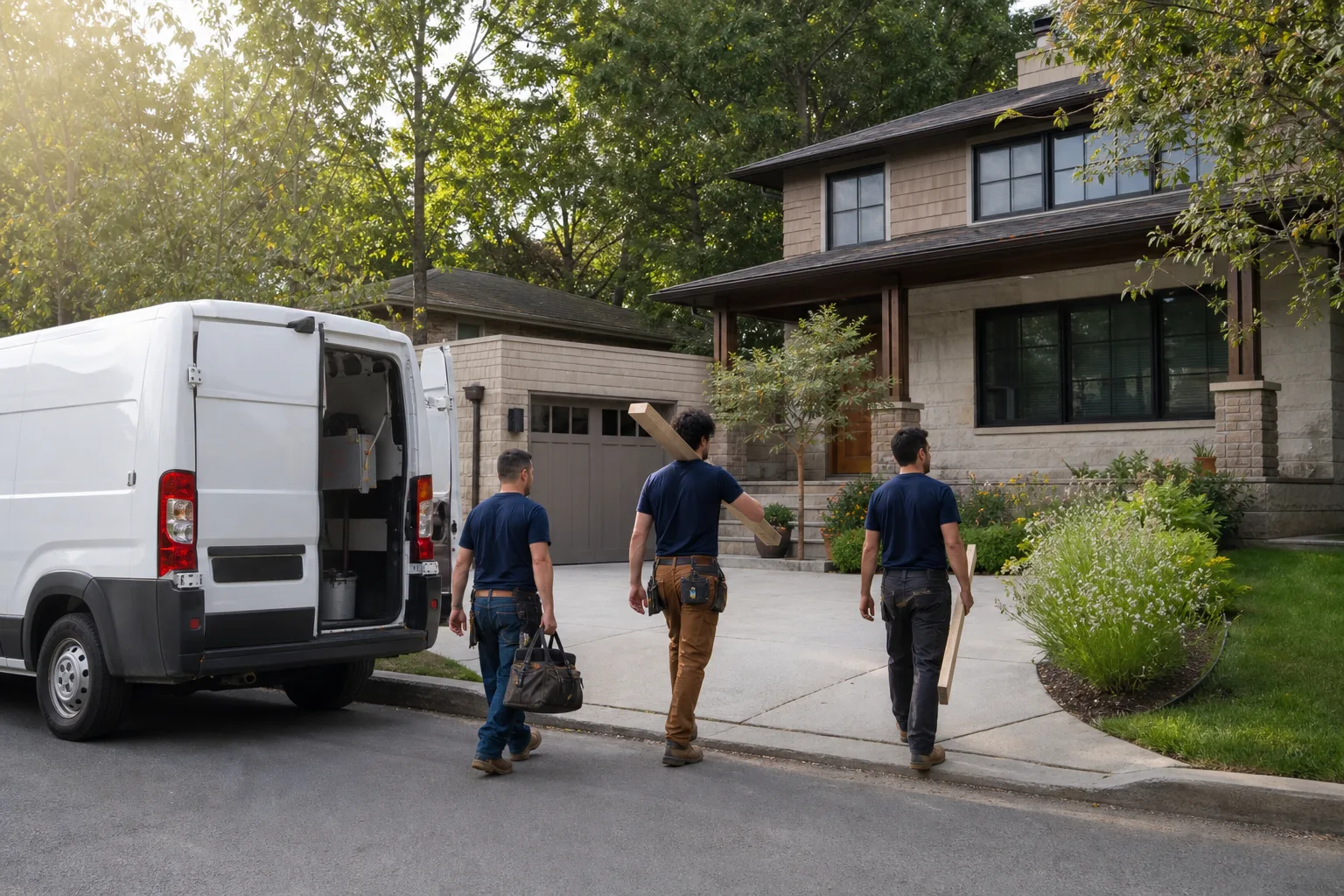
- Not asking who’s actually on site. Background-checked, uniformed technicians are a standard, not a perk. Ask who’s walking into your home.
- Believing a timeline with no milestones. “About three weeks” with no phase breakdown is a schedule you’ll be chasing.
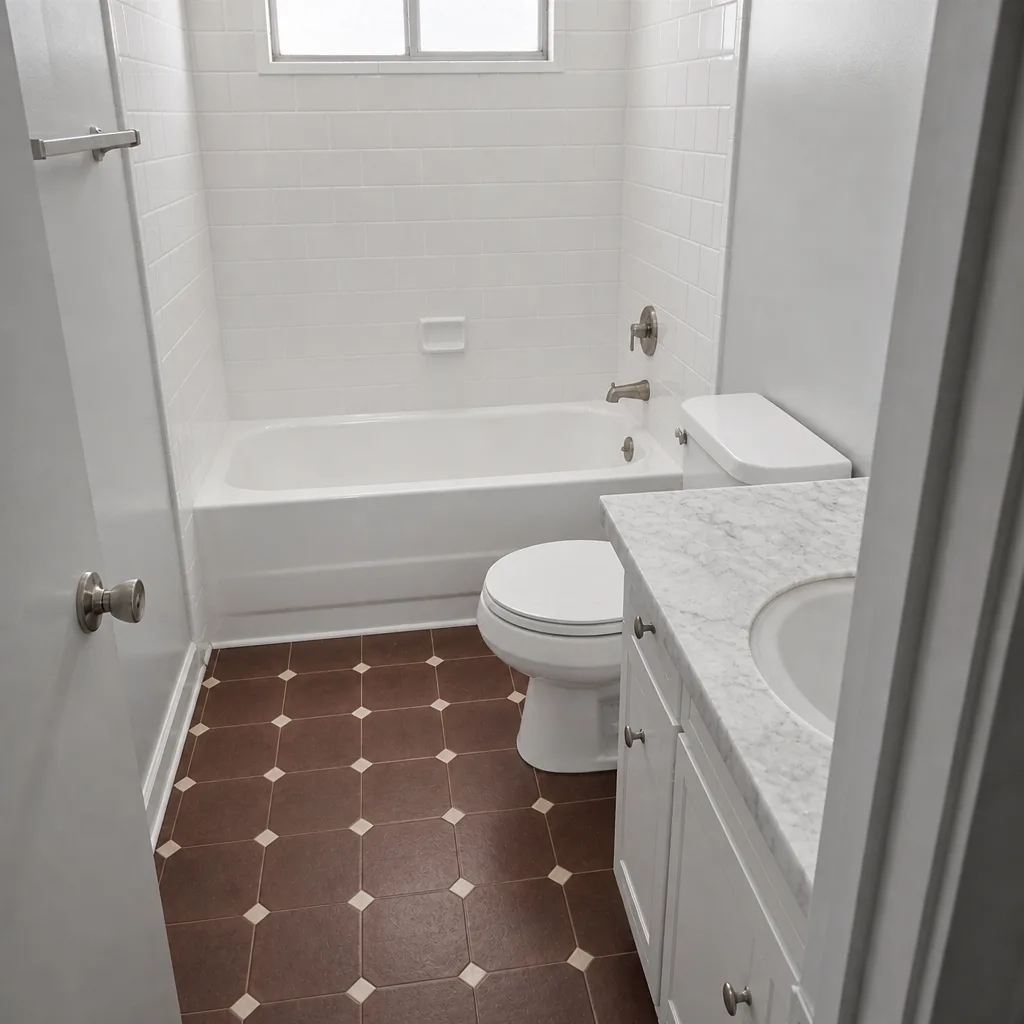
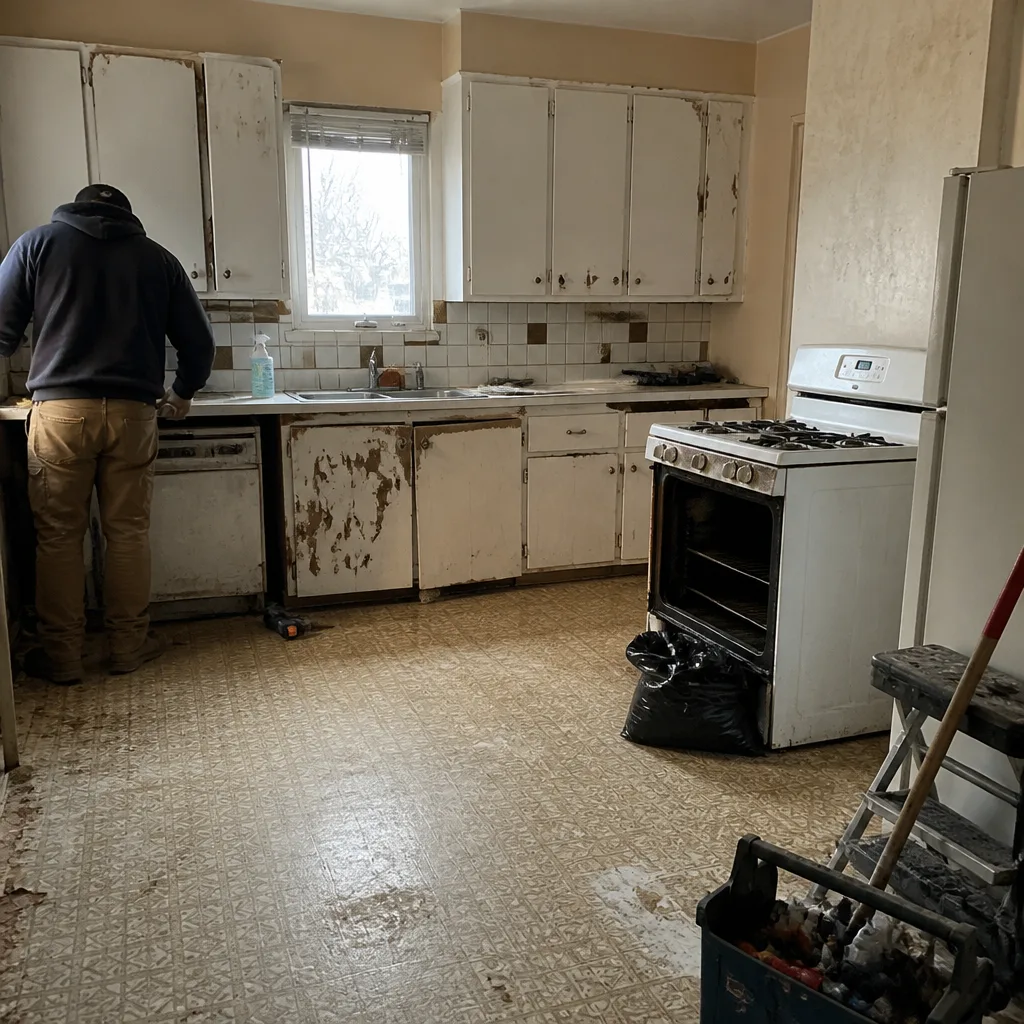
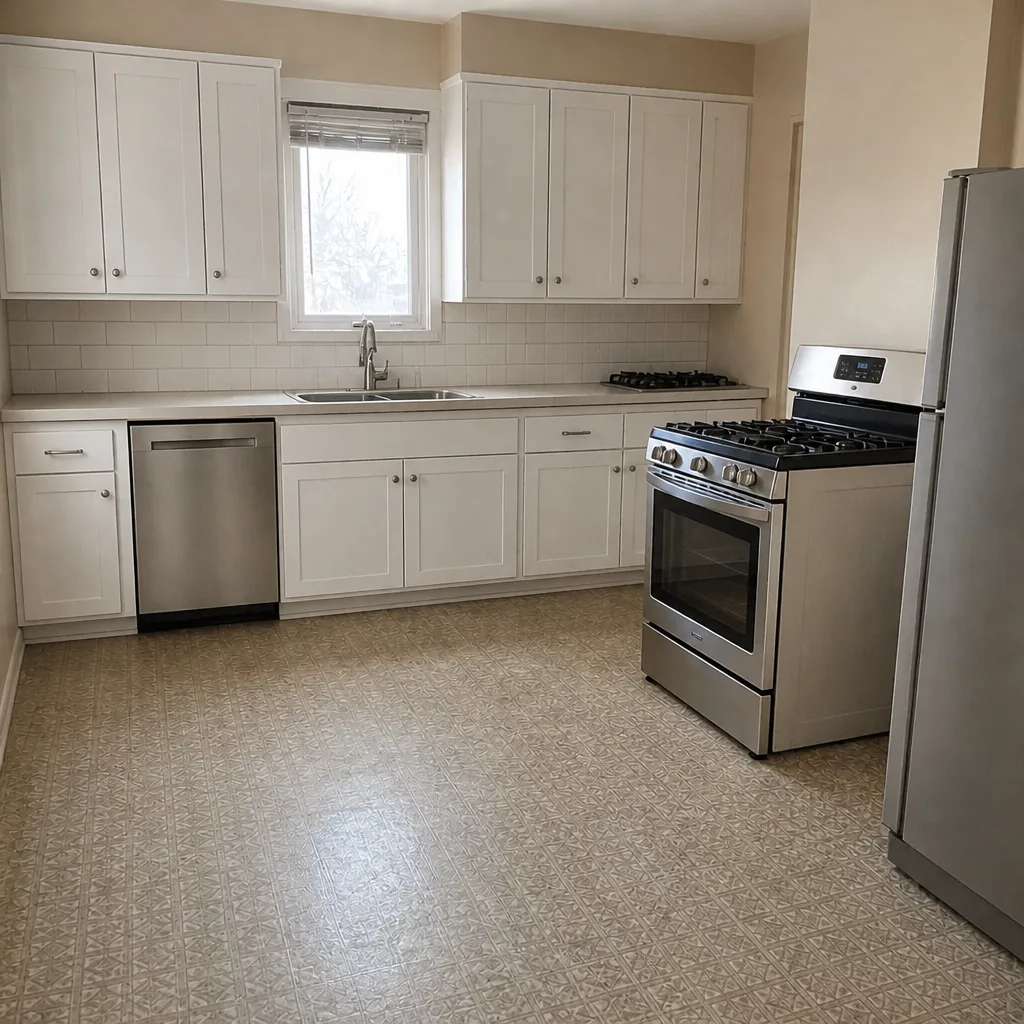
See the difference
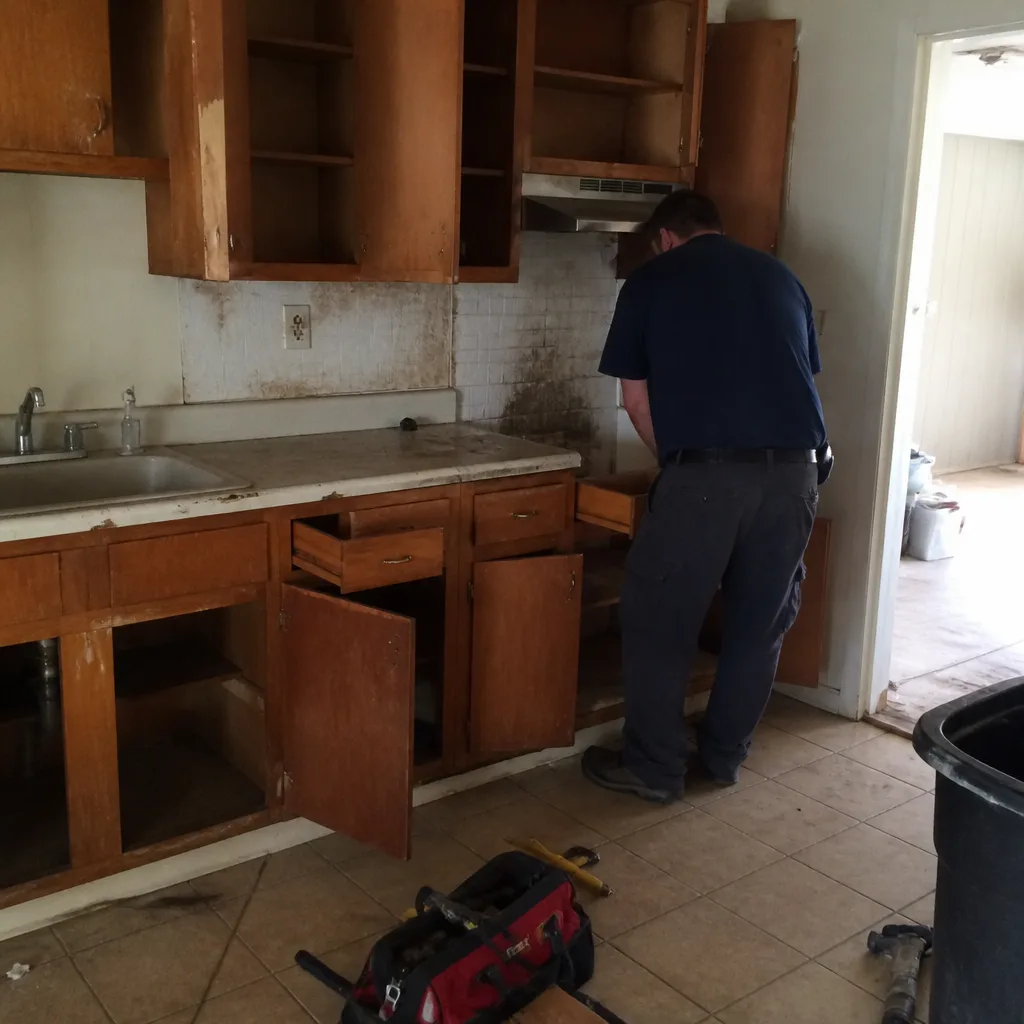 Before
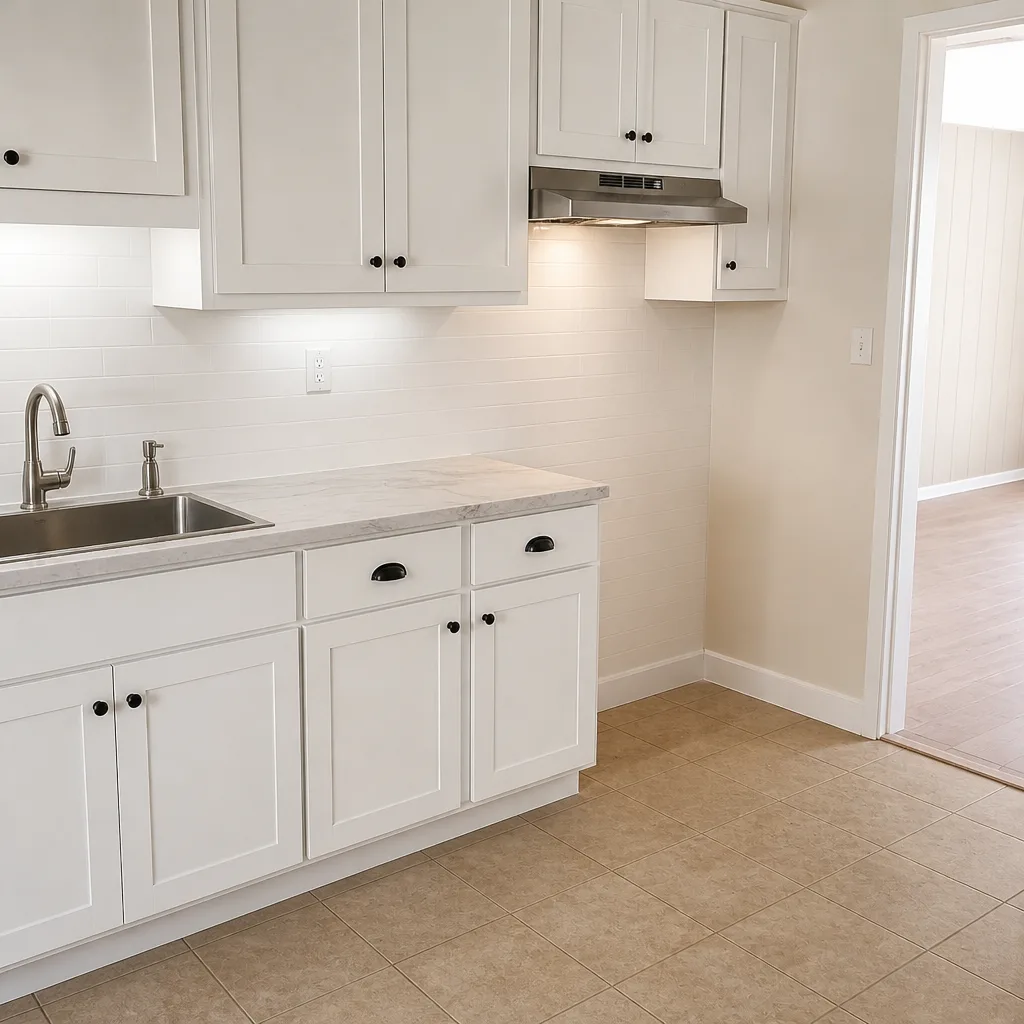 After
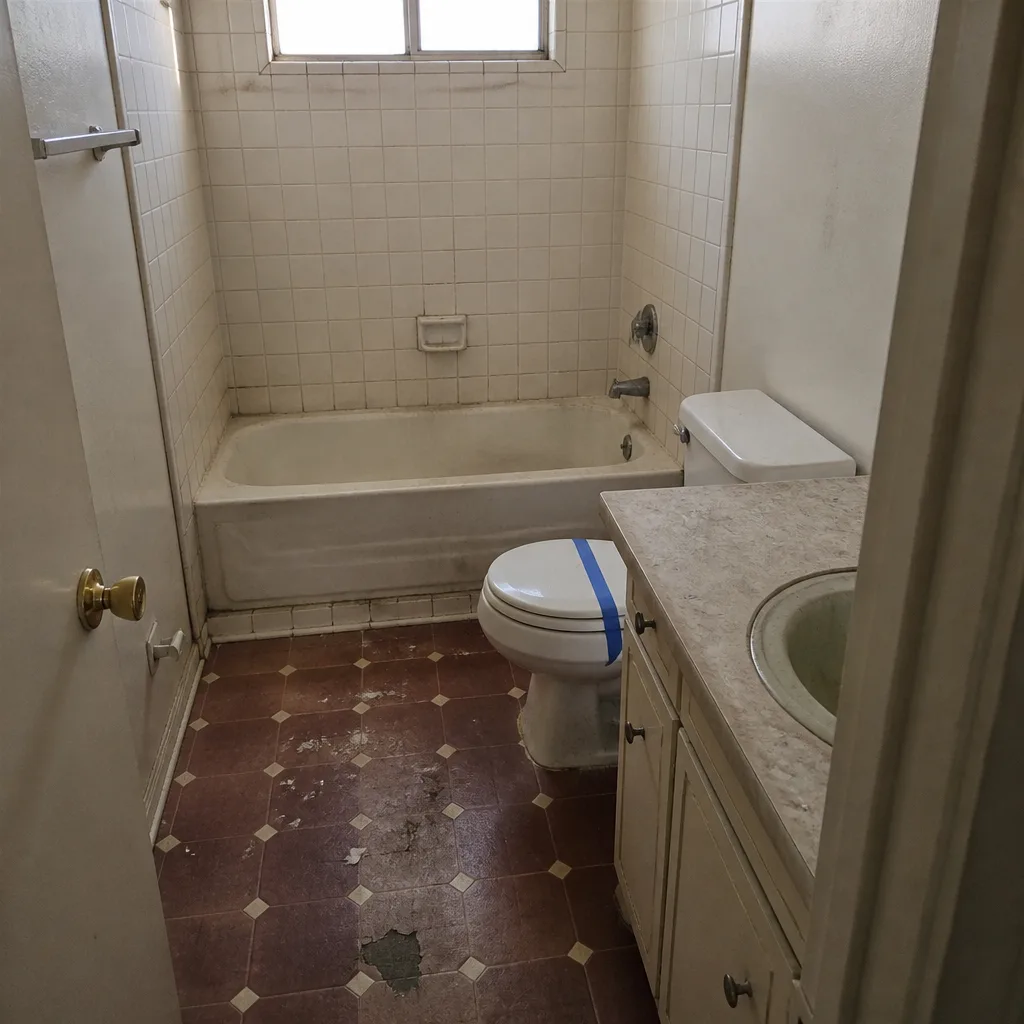 Before
 After
 Before
 After
When to Call a Professional
Some work is worth doing yourself. Structural changes, permit-required remodels, anything involving plumbing relocation or electrical circuits, and full bathroom or kitchen rebuilds are not on that list. In Winchester, permit requirements alone will trip up a DIY remodel, and the inspection fail is the expensive part. A failed inspection means rework, a red tag on your record and delays, and that’s before you get to anything that could genuinely hurt you.
Call a licensed professional when the scope touches structure, gas, electrical panels or plumbing behind a wall. Call when you need permits pulled and inspections passed. Call when you want a written price before work starts. Sawyer Remodeling Winchester offers free estimates in Winchester. Call (888) 343-7097 to schedule yours.
Frequently Asked Questions
Remodeling costs in Winchester run on par with the broader region, and the honest answer is it depends on scope, materials and permits. A bathroom remodel typically lands in the low-to-mid five figures, and a kitchen remodel runs higher once cabinetry and countertops are specified. The number you actually want is a written line-item price for your project. Call (888) 343-7097 for an exact quote; estimates are free.
Verify a Nevada contractor license by asking for the license number and searching it on the Nevada State Contractors Board public lookup. Confirm the status is active, the class matches your project type and value, and the business name on the license matches the written quote. It takes under a minute and catches most problems before they start.
Not if you have a written price and a change-order clause in your contract. A written line-item quote should hold firm through completion; the only legitimate charge is a written change order you sign for concealed conditions like rot or failed subfloor. If the price moves without your signature, that’s a contract problem, not a construction one. Call (888) 343-7097 for a written price before work starts.
Yes, pulling permits and passing inspections is built into the job, not a separate line item. In Winchester, permit-required remodels go through local inspection, and that inspection is part of the price. Ask any contractor you’re considering who pulls the permit and who shows up for the inspection; the ones who handle both should say so without hesitation.
A bathroom remodel typically runs two to four weeks once materials are on site, and a full kitchen runs longer, with cabinetry lead times often setting the schedule. The timeline you should ask for is a written phase schedule with start dates, not a single estimate. A contractor who tracks and shares arrival times keeps to that schedule. Call (888) 343-7097 for a written timeline on your project.
Payments should follow completed work, not the calendar. A small signing deposit, payments at each completed phase, and a final holdback released after the punch list closes keeps your money behind the progress. Never accept a schedule that front-loads half the total before work begins, and ask for a written invoice for every draw.
The Bottom Line
Hiring a contractor in Winchester isn’t about finding the cheapest bid. It’s about running a short, disciplined script: verify the license and class, demand a written line-item price, put the change-order clause and workmanship guarantee in writing, confirm a real physical address and a live phone, and structure payments behind completed work. The contractor who passes all five is the one who won’t surprise you at invoice time. The one who fights any of them is telling you something useful. The numbers that look safest up front are often the ones that cost the most by the end.
If you want to see what a written price, a live arrival time and a background-checked crew look like on your project, call Sawyer Remodeling Winchester at (888) 343-7097 for a free estimate in Winchester. We answer the phone, and we put the price in writing before a single tool is picked up.
Written by the team at Sawyer Remodeling Winchester.